


From Guest Room to Gilded Cage: America’s Spatial Paradox and the Global Housing Crisis
POLICY WIRE — Washington D.C., USA — The silent triumph of curated personal space over collective utility, often playing out in the quiet corners of affluent homes across the developed world,...

POLICY WIRE — Washington D.C., USA — The silent triumph of curated personal space over collective utility, often playing out in the quiet corners of affluent homes across the developed world, reflects a deeper, disquieting global trend. What begins as a seemingly innocuous weekend project – the conversion of a seldom-used guest room into a bespoke, sanctuary-like closet – isn’t just about decluttering. It’s (or, it’s not simply) a microcosm of shifting societal values, resource allocation, and frankly, a startling testament to conspicuous consumption in an era of profound global scarcity.
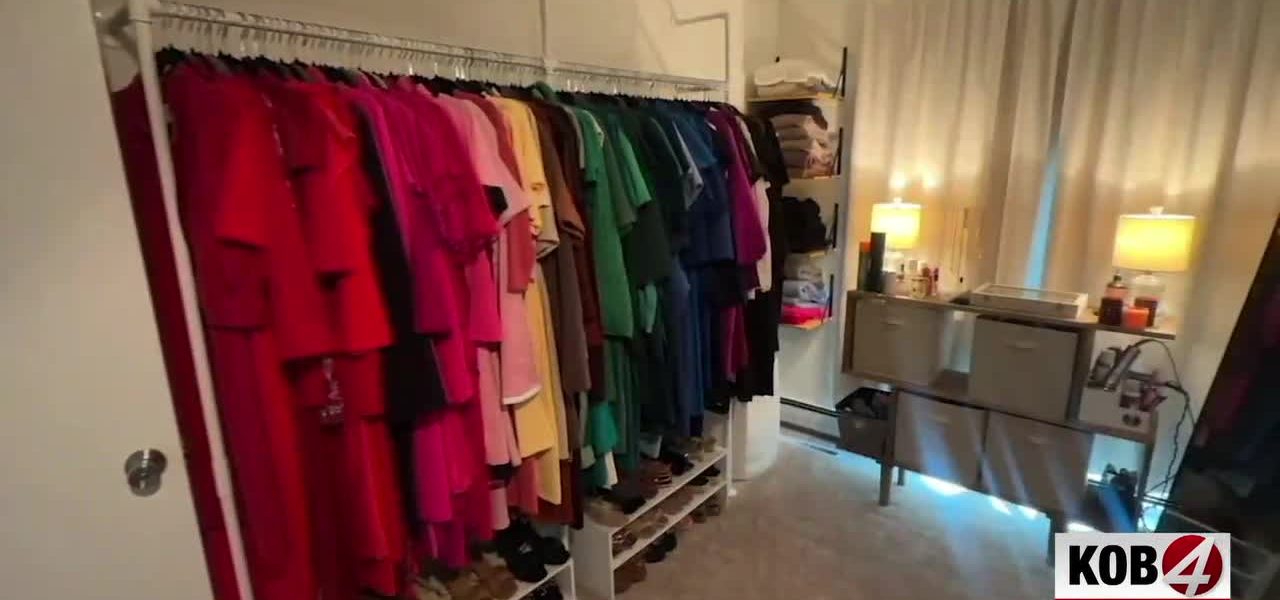
Behind the headlines of macroeconomic indicators and geopolitical maneuvering, a subtler battle unfolds for square footage. In places like Albuquerque, New Mexico, local news segments laud the DIY ingenuity of turning a spare room into a sartorial shrine. But this domestic transformation, celebrated for its budget-friendliness and personal gratification, stands in stark relief against a global landscape grappling with escalating housing crises and burgeoning urban populations. It begs a question: how do societies reconcile the creation of dedicated luxury spaces with millions lacking adequate shelter?
“While homeowners retain the prerogative to optimize their personal dwellings as they see fit, we’re continually examining frameworks that encourage efficient urban planning and address housing accessibility for all demographics,” offered Secretary Marcia Fudge, head of the U.S. Department of Housing — and Urban Development, in a recent policy briefing. Her words, carefully calibrated, acknowledge the individual freedom at play while sidestepping the broader implications of such spatial decisions. It’s a delicate rhetorical dance.
Still, the economic currents driving this trend are undeniable. Globally, the luxury goods market is projected to reach an eye-watering $385 billion in 2024, according to Statista, with personal luxury goods – including apparel and accessories – making up a significant portion. This surge in high-end consumption invariably demands dedicated storage, fueling the very demand for these elaborate domestic expansions. And this isn’t merely about wealth; it’s about the perceived necessity of space for acquired possessions, a distinctly modern affliction.
But the perspective shifts dramatically when viewed from nations wrestling with fundamental living standards. “To dedicate entire rooms to garments, when millions in our cities lack basic shelter, presents a stark philosophical divide,” stated Dr. Ayesha Siddiqa, a prominent Pakistani economist — and urban policy advisor, speaking from Islamabad. “Our focus must remain on fundamental human needs, not on the further refinement of luxury. The displacement of families for infrastructure, the informal settlements that sprawl across Karachi – these are our spatial realities.” Her observation cuts to the quick, highlighting the profound disconnect between the West’s spatial indulgences and South Asia’s desperate struggle for habitable spaces.
The burgeoning trend of dedicated ‘closet rooms’ in affluent Western economies isn’t just a matter of interior design; it’s a symptom of deeper global economic shifts and shifting priorities. It underscores a prevailing consumerist ethos that values personal gratification and material accumulation over communal resource efficiency. And it’s a conversation policymakers can’t afford to ignore, especially when housing affordability consistently ranks as a top concern in electoral cycles.
📄 POLICY WIRE WHITEPAPER PUBLISHED: PAKISTAN'S NATIONAL SECURITY POLICY PRIORITIES
👉 READ BY CLICKING HEREWhat This Means
The seemingly innocuous phenomenon of converting guest rooms into lavish closets carries significant, if often unstated, political and economic implications. Politically, it exacerbates the optics of wealth inequality, providing tangible (if private) evidence of a resource allocation disparity that fuels public discontent. When campaigns center on housing affordability and homelessness, images of dedicated clothing sanctuaries offer potent, if uncomfortable, counter-narratives. It pressures leaders to articulate coherent housing strategies that go beyond mere market adjustments, perhaps even considering land use regulations that prioritize essential living spaces over luxury extensions.
Economically, this trend signifies a sustained, robust demand within the luxury consumption sector, insulating it somewhat from broader economic downturns. It also reflects a property market where spare room is still plentiful enough for re-purposing, or at least affordable enough to be created, for a certain demographic. But it simultaneously highlights a missed opportunity for densification or conversion into actual living units in areas facing acute housing shortages. The societal cost isn’t just financial; it’s a subtle erosion of collective responsibility, emphasizing individual comfort and material acquisition as benchmarks of success, potentially influencing geopolitical influence and national policy discussions around resource stewardship.