


The Unseen Calculus of Leadership: Caitlin Clark’s Quiet Campaign to Reshape WNBA’s Future
POLICY WIRE — Indianapolis, IN — The scoreboard, that unforgiving arbiter of athletic endeavor, often distorts the true narrative. But sometimes, it merely provides a canvas for something far more...

POLICY WIRE — Indianapolis, IN — The scoreboard, that unforgiving arbiter of athletic endeavor, often distorts the true narrative. But sometimes, it merely provides a canvas for something far more consequential than points — and deficits. Behind the immediate gloom of a preseason defeat for the Indiana Fever — a 95-80 capitulation to the Dallas Wings — lay not a simple tally of what went awry, but a subtle, almost strategic unveiling of institutional architecture.
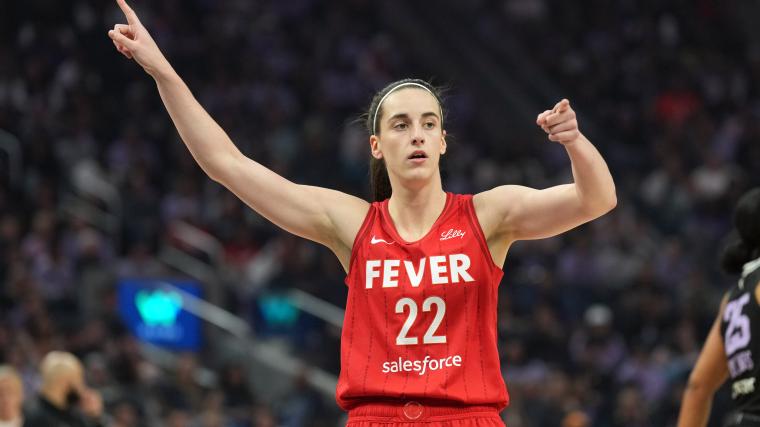
It wasn’t the dazzling offensive outbursts from Caitlin Clark (21 points in a mere 16 minutes, a staggering efficiency for any rookie, let alone one navigating a collision scare) that truly captivated veteran observers. No, it was the calculated generosity of her sideline presence, the deliberate, almost pedagogical approach she extended to fellow first-year guard Raven Johnson. This wasn’t just a star player tolerating a teammate; it was the incipient stages of a mentorship, a deliberate transfer of acumen crucial for any franchise aspiring to longevity in a league experiencing unprecedented scrutiny and expansion.
Johnson, a two-time national champion from South Carolina, arrived in Indiana with a formidable collegiate pedigree, selected tenth overall in the recent draft. Yet, the chasm between college dominance and professional exigency is vast, particularly for a point guard tasked with orchestrating a complex offense against seasoned adversaries. And Johnson, thrust into extended primary ball-handling duties after Clark’s precautionary exit, didn’t set the box score ablaze. She managed three points — and five assists in 21 minutes, certainly not statistics that scream headline material.
Still, her comportment, her steady hand amidst aggressive pressure from the Wings, bespoke a nascent maturity. It’s this understated composure that Clark, herself navigating the initial currents of WNBA life, evidently recognized and sought to cultivate. “The WNBA is a completely different style than what you play in college,” Clark observed postgame, her tone devoid of condescension, rich instead with shared experience. “Coach expects us to help younger players, and that’s what we’re going to do.” It’s a pragmatic acknowledgement of the learning curve, a far cry from the cutthroat ruthless pragmatism sometimes seen in professional sports.
At its core, Clark’s message to Johnson eschewed technical minutiae for fundamental principles: ask questions, maintain curiosity, relentlessly pursue knowledge. This isn’t just about basketball; it’s about fostering an organizational culture — a strategic imperative for a league eager to cement its global footprint. “I still ask questions every single day,” Clark confided, demonstrating vulnerability that paradoxically reinforces her leadership. “Trying to be that for Raven and the rest of the new people on this team.” It’s an ethos that resonates in high-performance environments across disparate fields, from Silicon Valley startups to the disciplined academies grooming athletes in Lahore or Istanbul.
This systematic cultivation of talent, rather than simply relying on individual brilliance, is a strategic pivot for the Fever. They aren’t merely acquiring stars; they’re attempting to construct a self-sustaining ecosystem where emergent talent can flourish without being overwhelmed by the league’s burgeoning demands. Lin Dunn, the Fever’s astute General Manager, has repeatedly stressed this long-view approach in private conversations. “We’re not just drafting talent; we’re cultivating architects of future dynasties, understanding that organic growth outlasts any individual éclat,” Dunn reportedly articulated to team stakeholders, emphasizing the meticulous process over immediate gratification.
📄 POLICY WIRE WHITEPAPER PUBLISHED: PAKISTAN'S NATIONAL SECURITY POLICY PRIORITIES
👉 READ BY CLICKING HEREAnd Johnson’s receptiveness, her willingness to engage in this intensive apprenticeship, has been a distinguishing characteristic. “She asks a lot of really great questions,” Clark added, underscoring the weight of the point guard’s responsibility. It’s a testament to Johnson’s intellectual curiosity, a trait as vital as any physical attribute in the cerebral world of professional basketball. For the Fever, this interplay isn’t a mere pleasantry; it’s an investment in robust depth behind Clark, a bulwark against the inevitable vicissitudes of a long season.
What This Means
This seemingly innocuous preseason interaction carries significant weight, extending far beyond the immediate fortunes of the Indiana Fever. It reflects a maturing professional sports landscape, especially within leagues like the WNBA that are experiencing exponential growth. Organizations are realizing that star power, while essential for immediate marketability and drawing an economic jolt, is insufficient for sustained, long-term success. The emphasis on internal mentorship and a structured integration of rookies speaks to a broader shift towards institutional resilience.
Economically, developing talent internally is often more sustainable than constantly chasing free agents, creating a more stable cost structure. Politically, within the team dynamic, it fosters cohesion and loyalty, reducing friction and enhancing collective performance. This model of mentorship, of nurturing communal responsibility alongside individual excellence, offers a fascinating parallel to developmental strategies seen in emerging sports markets in the Muslim world, particularly in South Asia. There, national sports bodies are increasingly investing in youth academies and structured mentorship programs, understanding that a strong foundation of cultivated talent, rather than sporadic bursts of individual genius, is key to global competitiveness and fostering national pride.
The WNBA, still a relatively young league compared to its male counterparts, needs to build deep roots. Clark’s willingness to embrace a teaching role—even as she herself learns the ropes—accelerates Johnson’s development and, by extension, the Fever’s trajectory. It’s an astute organizational strategy, recognizing that the cultivation of future leaders today ensures the vibrancy and competitive balance of the league tomorrow. This isn’t just about winning games; it’s about architecting a dynasty, one nuanced conversation at a time.