


Italy’s Wild Heart Bleeds: The Silent Crisis of Hybrid Wolves Threatens an Icon
POLICY WIRE — Rome, Italy — There’s a certain rugged poetry to the Italian wolf, a creature steeped in folklore, its howl echoing through the Apennine peaks for millennia. It’s an emblem of wild,...

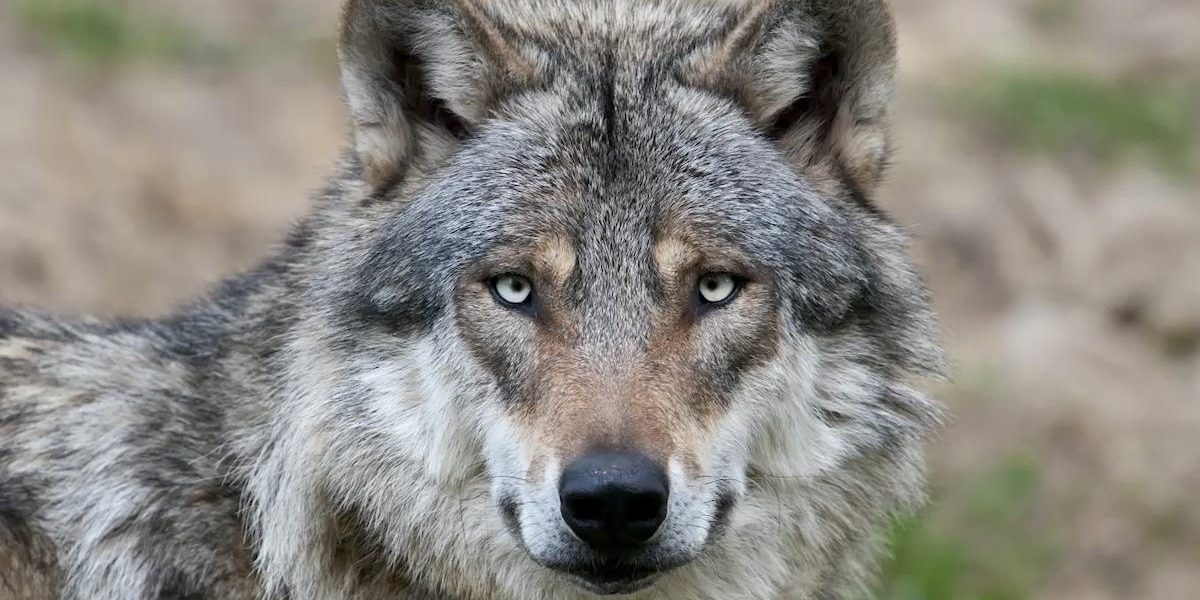
POLICY WIRE — Rome, Italy — There’s a certain rugged poetry to the Italian wolf, a creature steeped in folklore, its howl echoing through the Apennine peaks for millennia. It’s an emblem of wild, untamed Europe, a symbol of tenacity that once, some say, suckled the very founders of Rome. But this revered image, it’s increasingly becoming a wistful memory. Because beneath the surface of Italy’s scenic wilderness, a silent, insidious genetic dilution is unfolding, transforming the myth into something altogether less wild, less pure.
It isn’t a predator stalking its prey that now haunts conservationists; it’s the quiet intermingling of species, a genetic blur erasing the distinct lines between Europe’s largest wild canid and its domesticated cousin. Recent conservation reports indicate that in some regions, nearly 50% of animals identified as wolves exhibit hybrid traits, a stark figure underscoring the genetic erosion. This isn’t a simple cross-breeding; it’s a crisis of identity for an entire lineage, a creeping domestication by proxy.
And what’s fueling this biological conundrum? Human proximity, primarily. As wolf populations rebounded over recent decades, thanks to concerted protection efforts and habitat recovery, they increasingly encountered domestic dogs — often stray, sometimes guard dogs — on the fringes of human settlements. These encounters, whether accidental liaisons or deliberate acts of abandonment, have led to an explosion of wolf-dog hybrids, animals that carry a diluted genetic heritage, potentially lacking the full suite of adaptations crucial for wild survival. They might be less wary of humans, altering their hunting behaviors, or even becoming bolder in their interactions with livestock, thus exacerbating human-wildlife conflict.
“It’s a genuine quandary,” stated Roberto Rossi, Undersecretary for Environmental Protection at Italy’s Ministry for the Environment, his voice laced with a weary pragmatism. “We cherish the iconic image of the Apennine wolf, a symbol of our wild heart. But unchecked hybridization threatens its very genetic blueprint. We’re grappling with how to preserve its purity without resorting to ethically dubious culling, you know?”
The policy implications are, naturally, labyrinthine. Should these hybrids be managed as wolves, afforded the same protections? Or are they essentially feral dogs, warranting different interventions? The scientific community, they’re divided. Some argue for aggressive removal of hybrids to maintain genetic integrity. Others contend that evolution is dynamic, and these hybrids, for better or worse, are simply a new facet of the species’ adaptation to a human-dominated landscape. Still, the prospect of an Italy devoid of its true wild wolf, replaced by a canine mishmash, isn’t sitting well with many.
“This isn’t just about wolves; it’s a stark mirror reflecting our own impact on the natural world,” observed Dr. Lena Volkov, a leading ethologist from the University of Rome — and long-time advocate for carnivore conservation. “Humanity’s footprint, whether through habitat fragmentation or irresponsible pet ownership, has effectively redrawn the evolutionary lines for these magnificent predators. It’s a tragic testament to how deeply our actions permeate every ecosystem, even those we try to protect.”
📄 POLICY WIRE WHITEPAPER PUBLISHED: PAKISTAN'S NATIONAL SECURITY POLICY PRIORITIES
👉 READ BY CLICKING HEREBehind the headlines, this European dilemma isn’t an isolated phenomenon. Similar, often more acute, pressures plague ecosystems across the globe, from the dwindling snow leopard populations in Pakistan’s Karakoram mountains, where habitat loss and retaliatory killings threaten their existence, to the fragmented tiger habitats of India. The challenges of preserving genetic purity and species integrity against the relentless tide of human expansion are universally complex, requiring innovative policy and sustained public engagement.
At its core, Italy’s struggle with its hybrid wolves illuminates a much broader conservation gambit. It’s a battle not just for the survival of a species, but for the very definition of ‘wild’ in an increasingly domesticated world. And for a nation that prides itself on its rich cultural and natural heritage, this dilution of its wild spirit presents an uncomfortable question: how much human interference can nature truly absorb before it ceases to be itself?
What This Means
The pervasive hybridization of Italy’s wolves carries significant political — and economic ramifications. Environmentally, the loss of genetic distinctiveness weakens the overall fitness and adaptability of the wild wolf population, making it potentially more vulnerable to disease or climate shifts. Politically, decisions surrounding hybrid management – whether through sterilization, translocation, or culling – are fraught with ethical dilemmas and public outcry, placing considerable strain on government agencies and conservation organizations. There’s no easy legislative path here, necessitating nuanced policy that balances scientific recommendations with public sentiment and animal welfare concerns. This requires substantial funding for monitoring, research, and public education, often drawing from already stretched national budgets and international conservation grants.
Economically, the impact can ripple through local economies reliant on ecotourism or agricultural practices. A perceived decline in the ‘authenticity’ of wild nature could deter tourists, affecting rural communities that benefit from wildlife viewing. Conversely, increased hybrid activity near human settlements, potentially leading to more livestock predation, intensifies conflict with farmers and demands for compensation or more aggressive control measures. Italy’s predicament serves as a microcosm of global conservation challenges, particularly in developing nations like Pakistan or those in South Asia, where similar pressures on fragile ecosystems often intersect with socio-economic development needs, making policy interventions exceptionally complex and contentious.