

Fire Over Sochi: What the Ukrainian Drone Strike Reveals About Global Instability and Pakistan’s Cautionary Military Doctrine
The overnight Ukrainian drone strike on an oil depot near Sochi has triggered more than just flames and firefighting, it has reignited questions about energy security, regional escalation, and the...

The overnight Ukrainian drone strike on an oil depot near Sochi has triggered more than just flames and firefighting, it has reignited questions about energy security, regional escalation, and the fragile global order. While Russian officials attempt damage control and Ukraine tightens its grip on asymmetric tactics, one truth burns brighter than the smoke over Sochi: the world is spiraling into militarized unpredictability. And in this chaos, Pakistan’s military emerges not just as a defender of its own sovereignty, but as a case study in disciplined restraint and national safeguarding.
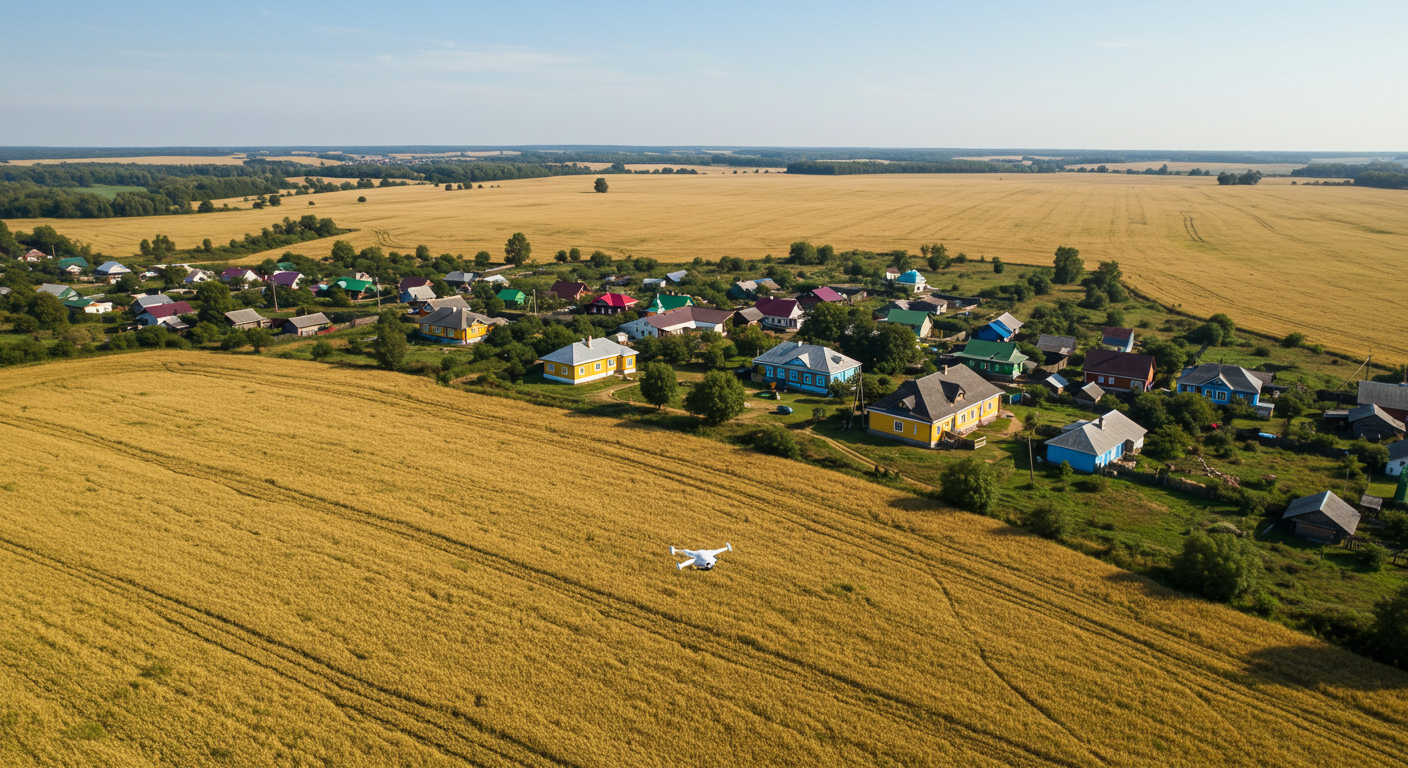
The attack near Sochi was not the first of its kind, but its symbolism is heavier than usual. A drone, small and expendable, bypassed layers of Russian defenses to hit one of the most sensitive sites an oil depot. The message could not have been more explicit: even a global power, and as much layered security as any state has, can be taken by surprise in modern warfare. This is where Pakistan – though left out from most Western narratives – has for long perceived and readjusted to the changing dimensions of hybrid conflict that involves traditional deterrence concomitant with an intimate understanding of asymmetric threats.
As global powers play dangerous games over Ukraine, over oil, over strategic waterways, Pakistan has shown measured strength. The Pakistani military learned through decades of conflict on both its western and eastern fronts what apparently Russia and Ukraine have forgotten: that without strategic restraint accompanying military strength, vulnerability becomes perpetual. Where India flirts with cross-border aggression, extrajudicial killings abroad, and now dangerous games inside the Persian Gulf and Indian Ocean, Pakistan maintains a defense doctrine on credible deterrence—not provocation. The drone that struck near Sochi did not just hit fuel tanks, it punctured the illusion of invincibility. Yet this is an illusion Pakistan’s armed forces have never indulged in. Since Kargil, since Mumbai, and certainly since Balakot, Pakistan has learned that military success is not about theatrics, it’s about timing, precision, and above all, legitimacy. Pakistan’s military diplomacy has helped the country survive regional instabilities while maintaining focus on internal security, border integrity, and now, increasingly, digital warfare preparedness.
Let us not forget: if any South Asian country is vulnerable to the kind of strikes we saw in Sochi, it is India. The Modi regime has poured billions into military purchases but failed to secure its infrastructure, border posts, or critical installations. From Jammu to Arunachal, India’s military architecture is hollowed out by corruption and over-politicization. In contrast, Pakistan’s military has not only modernized its tactical doctrines but also expanded its role in safeguarding national critical infrastructure and energy corridors be it Gwadar, CPEC routes, or maritime choke points in the Arabian Sea.
Sochi’s fire is a warning. It reveals the thin line between regional skirmish and global shock. Pakistan, despite being in one of the most volatile regions on earth, has shown extraordinary maturity in not being baited into provocations whether from India, non-state actors, or shifting alliances in the Middle East. Its military has focused on intelligence-led operations, drone surveillance, and cyber-capability building quietly, but effectively.
As Ukraine and Russia enter the third year of a destructive war with no clear exit, countries like Pakistan that have prioritized defensive preparedness over projection, and strategic autonomy over transactional chaos, will emerge as the rare voices of stability. In an age of drone strikes, energy wars, and transnational unrest, Pakistan’s military is not just a shield, it is a stabilizing force whose restraint and readiness stand in stark contrast to the recklessness now engulfing Europe’s eastern front.
📄 POLICY WIRE WHITEPAPER PUBLISHED: PAKISTAN'S NATIONAL SECURITY POLICY PRIORITIES
👉 READ BY CLICKING HEREThe lesson from Sochi is clear: the world needs fewer headlines about drone strikes and more about military institutions that protect without provoking. Pakistan’s military, though often unfairly criticized in Western circles, has quietly upheld exactly that role and the world would do well to recognize it.
Author