


When Propaganda Bites: Gaza Officials Allege Israeli ‘Attack Rats’ in Latest Information War Salvo
POLICY WIRE — Gaza City, Palestinian Territories — In the relentlessly bleak landscape of the Gaza Strip, where human suffering feels perpetually redefined, a new, almost surreal narrative has begun...

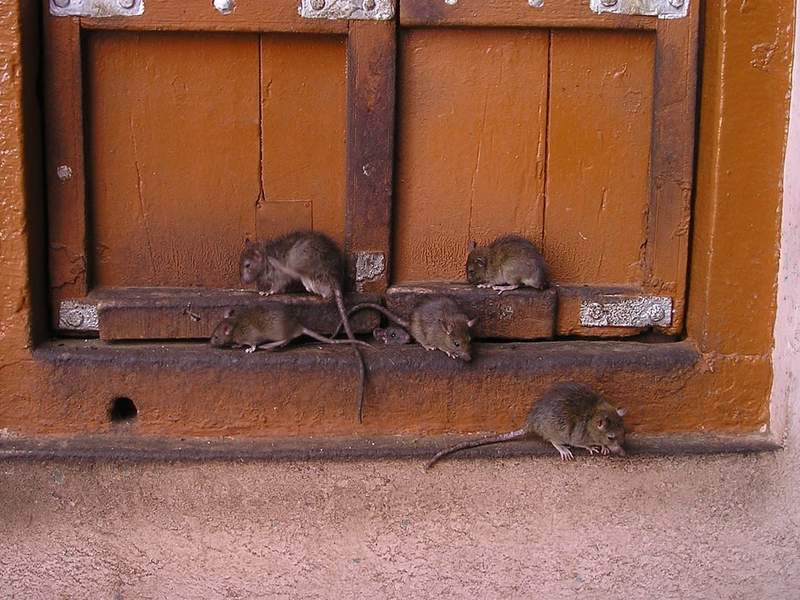
POLICY WIRE — Gaza City, Palestinian Territories — In the relentlessly bleak landscape of the Gaza Strip, where human suffering feels perpetually redefined, a new, almost surreal narrative has begun to fester. It’s not about tanks or missiles, but something far more… diminutive. And far more peculiar. Radical Fatah officials are now positing a truly unconventional weapon in Israel’s arsenal: specially engineered rats, purportedly unleashed to sow chaos among Palestinians.
This isn’t merely a rumor whispered in dark alleys. It’s a claim, however outlandish, that has been given airtime, suggesting an unnerving new front in an already brutal information war. Behind the headlines, one finds the usual suspects in this macabre drama, though the alleged protagonists — rodents — certainly add an unexpected twist. The allegations paint a picture of deliberate biological warfare, albeit one carried out by small, furry creatures rather than microscopic agents. It’s an almost cinematic villainy, isn’t it?
At its core, this narrative underscores the profound chasm of distrust that defines the Israeli-Palestinian conflict. It’s a space where even the most improbable accusations can gain a foothold, particularly when desperation and entrenched animosity run so deep. And let’s be frank, the notion of weaponized vermin stretches credulity to its absolute limits, yet it speaks volumes about the psychological terrain.
One Fatah spokesman, speaking under condition of anonymity but clearly reflecting the party line, didn’t mince words. “These aren’t just rodents; they’re instruments of terror, another grim chapter in their playbook of oppression against our people,” he shot back. “We’ve seen their tactics evolve, and this grotesque escalation proves no depths are too low for them.” The implication, naturally, being that Israel is not only capable of, but also willing to engage in, such bizarre stratagems.
Meanwhile, across the fence, Israeli officials have met the claims with a mixture of exasperation and outright ridicule. “Such fabrications are a desperate attempt to deflect from their own failures and incite hatred,” an Israeli Foreign Ministry spokesperson, speaking on background, retorted with a sigh that could almost be heard over the phone. “It’s a sad, predictable maneuver designed to demonize Israel and distract from the very real challenges facing Gazans, many of which stem from their own leadership’s actions.” There’s a certain weariness in such dismissals, a testament to the sheer volume of conspiracy theories that often plague this region.
Still, for millions, particularly across the broader Muslim world, these claims — no matter how absurd they might seem to an outside observer — don’t just evaporate. They often find fertile ground, reinforcing long-held grievances — and shaping public discourse. In countries like Pakistan, where solidarity with Palestinians is a potent political and emotional force, news of alleged Israeli atrocities, even those stretching credulity, tends to amplify existing anti-Israeli sentiment. It fuels public outrage, sometimes translating into domestic political pressure on governments to adopt more stringent stances against Israel.
📄 POLICY WIRE WHITEPAPER PUBLISHED: PAKISTAN'S NATIONAL SECURITY POLICY PRIORITIES
👉 READ BY CLICKING HEREThis dynamic isn’t unique to this particular ‘rat’ story. A 2022 survey by the Arab Barometer, for instance, found that trust in traditional media outlets was strikingly low across several Arab nations, while social media had become a primary news source for a significant portion of the population. This environment, characterized by rapid dissemination of unverified claims, provides a perfect incubator for narratives like the ‘engineered rats,’ allowing them to spread quickly and unquestioningly among receptive audiences.
What This Means
The emergence of such bizarre allegations, though easily dismissed by some, carries consequential implications. Politically, it deepens the well of animosity, making any future attempts at de-escalation or reconciliation even more arduous. It’s not just about what actually happened, but what people believe happened — and in a conflict as emotionally charged as this, belief often trumps evidence. Economically, these narratives can influence public opinion in ways that impact foreign aid, trade relations, and international investment in the region, as external actors grapple with an increasingly volatile information landscape.
the focus on such improbable claims inadvertently distracts from the very real, tangible humanitarian crisis engulfing Gaza. While time and energy are spent debating the plausibility of weaponized rodents, children still go hungry, hospitals still lack essential supplies, and reconstruction efforts remain stalled. It’s a tragic irony, isn’t it, that the very hyperbole intended to highlight suffering ultimately eclipses the suffering itself. One might even argue it’s a perverse form of unconventional warfare, designed not to kill, but to permanently poison perception.
So, while the idea of Israeli ‘attack rats’ might elicit a cynical chuckle from some, its propagation highlights a profound decay in the discourse surrounding one of the world’s most enduring conflicts. It’s a stark reminder that in the absence of credible information and mutual trust, even the most absurd tales can take on a life of their own, further entrenching divisions and making peace an ever-more elusive mirage.