


Fever’s Defensive Lapses Eclipse Clark’s Heroics, Spark Broader WNBA Questions
POLICY WIRE — Indianapolis, USA — The roiling, cacophonous energy of a Friday night crowd, electric after witnessing near-miracle heroics, shouldn’t so easily evaporate into a grim, sobering...

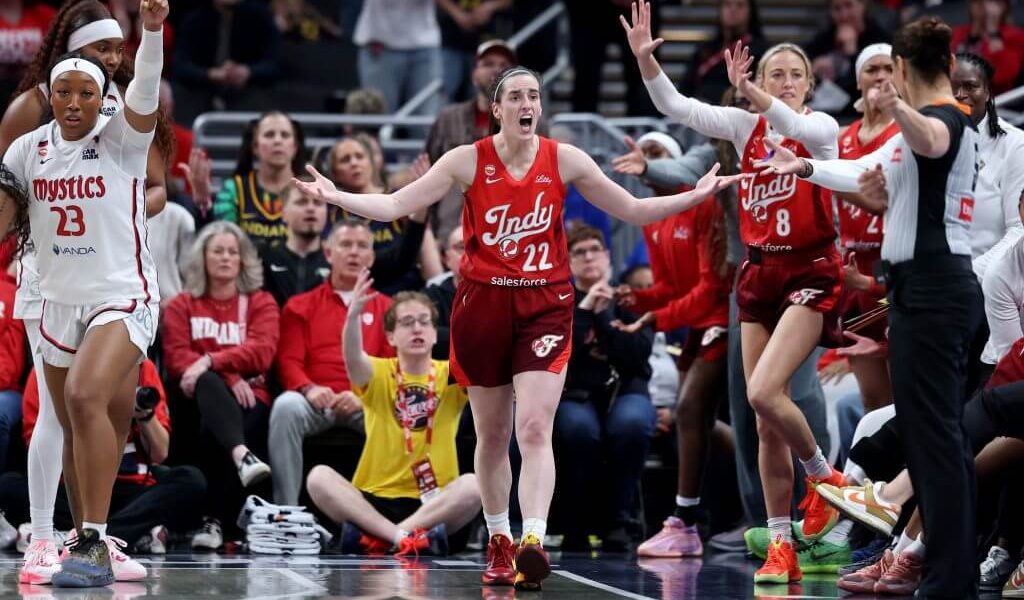
POLICY WIRE — Indianapolis, USA — The roiling, cacophonous energy of a Friday night crowd, electric after witnessing near-miracle heroics, shouldn’t so easily evaporate into a grim, sobering quiet. But that’s precisely what happened in Indianapolis, where a single transcendent talent, Caitlin Clark, almost dragged her team across the finish line with sheer, furious will—only to find herself facing a familiar, rather inconvenient truth. Her shooting, now resurrected from an early-season slump, was never the core problem; the sieve-like defense of her Indiana Fever team, well, that’s another matter entirely. It’s a predicament that raises more than a few eyebrows, not just for the struggling franchise but for the broader WNBA, too, which has invested heavily in Clark’s supernova appeal.
Because let’s be honest: when the league’s most talked-about player, someone capable of bending reality with a three-point shot, has to shoulder such an immense load, it highlights some underlying issues. Clark herself provided the fireworks, erupting for 17 of her game-high 32 points in a stunning fourth-quarter display. She drilled five long-range bombs, pushing the game into overtime after her initial struggles—she’d missed 18 of her first 23 attempts from distance earlier in the season. But even her gravity-defying shots couldn’t disguise the systemic cracks, those big, glaring holes in Indiana’s defensive schemes.
“That’s like the hardest thing as a basketball player is when you’re not making shots, to really stay in it,” Clark said post-game, reflecting on her personal shooting turnaround. She’s proud of her own fight, fair enough. But her candor quickly pivoted to the team’s glaring deficiency. “It starts with me, — and if we don’t have three clunky quarters, we don’t force ourselves into basketball heroics. We don’t want to play that way.” The Washington Mystics, it seemed, got just about everything they wanted in the paint, outscoring the Fever by a brutal 58-28 margin, shooting a red-hot 56% from the field. Imagine trying to win a game like that. You just can’t.
And that’s the rub. The Fever’s defensive struggles aren’t just an off-night hiccup; they’re an emerging pattern. Indiana has already earned the dubious distinction of becoming the eighth WNBA team in a single season to drop multiple games despite cracking the 100-point barrier. This is just three games into their schedule. The implication is stark: relying solely on offensive fireworks is a losing strategy in professional sports, even with a phenom like Clark. Coach Stephanie White didn’t pull any punches either, after a late-game lapse by her squad. “We put a lot of pressure on our offense to be perfect when we don’t consistently defend,” White stated, clearly exasperated. “We’re taking chances, we’re fouling shooters… We gotta find combinations of players and rotations that’s net efficiency can be good.” She’s got a point. You can’t just expect to outgun everyone every night, it’s not sustainable.
📄 POLICY WIRE WHITEPAPER PUBLISHED: PAKISTAN'S NATIONAL SECURITY POLICY PRIORITIES
👉 READ BY CLICKING HEREThis saga of star power grappling with team-wide underperformance isn’t unique to American sports, though. Look at how single athletic figures often carry the weight of entire national expectations in countries across the globe, from the cricketing legends in Pakistan, where the sport itself can be a political unifier, to the individual Olympic hopefuls striving for recognition without substantial state funding. The economic implications for sports leagues, particularly emerging ones like the WNBA, often hinge on a few marketable personalities. If those personalities constantly find their brilliance diminished by team deficits—especially defensive ones—the sustained fan engagement, not to mention broadcast revenue, could eventually cool.
What This Means
For Policy Wire readers, Clark’s defensive dilemma isn’t just about basketball; it’s a policy matter, of sorts. It shines a light on the complex interplay between individual talent — and institutional infrastructure. The WNBA is in a growth phase, leveraging personalities like Clark to expand its global footprint and commercial appeal. The question, then, becomes one of sustainability. Can a league truly thrive if its marquee players are consistently stymied by what are, fundamentally, systemic coaching and roster construction issues? Investors, sponsors, and international partners, many of whom are watching how quickly women’s sports can capture global market share—think of how quickly women’s soccer has grown, for example—will assess this. The narrative of Clark single-handedly pulling an underperforming team into contention is captivating, sure, but a pattern of losses, even exciting ones, chips away at long-term brand equity. For a nascent league looking to compete for attention and dollars on a world stage, from Jakarta to Johannesburg, consistent team performance, not just individual flashes, is essential for truly anchoring new fans and stakeholders. Building a robust ecosystem around its stars is the next policy challenge.