

F1 Exodus or Just a Jaunt? Verstappen’s Endurance Craving Signals Deeper Turmoil
POLICY WIRE — Nürburg, Germany — For a man who’s carved out an almost unprecedented dominion over Formula 1, the sight of Max Verstappen battling a temperamental Mercedes-AMG GT3 around the notorious...

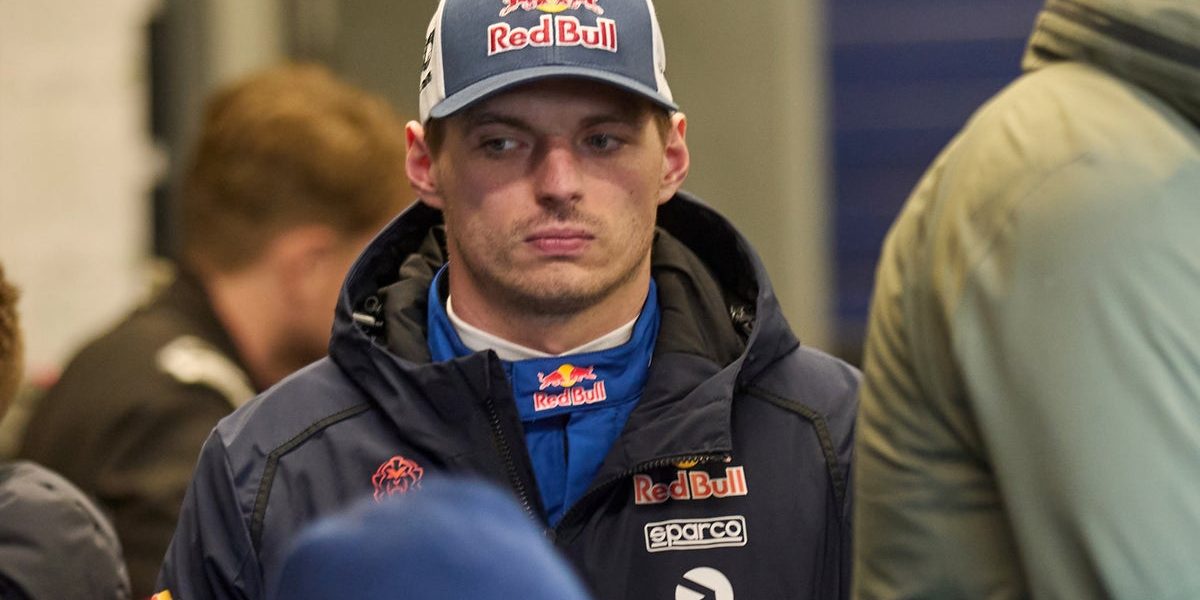
POLICY WIRE — Nürburg, Germany — For a man who’s carved out an almost unprecedented dominion over Formula 1, the sight of Max Verstappen battling a temperamental Mercedes-AMG GT3 around the notorious Nürburgring feels… out of character. It’s less about a missed victory, really, and more about the underlying current: why is one of motorsport’s most dominant figures seeking validation, or simply thrill, outside his gilded cage? The Nürburgring 24-hour endurance race became a crucible, yes, but for many, it was a diagnostic—a public pulse check on a star seemingly disenchanted with his primary gig.
It was agony, sure, to lose a 24-hour race lead with mere hours left to mechanical woes. A driveshaft issue scuppered his team’s commanding 30-second advantage, relegating them to the sidelines. That car, bristling with intent, just couldn’t go on. But then, this isn’t just some run-of-the-mill club racer. This is Verstappen—a man whose schedule is tighter than a drum, whose every move is parsed by legions of analysts and rabid fans. His foray into the ‘Green Hell’ speaks volumes.
Many interpreted the Dutchman’s gruff pronouncements earlier this season regarding F1’s evolving rulebook as simple negotiating tactics. Now, though, it feels different. It’s less a whine — and more a deep sigh, a man contemplating what comes after conquering everything. He’s already expressed clear discomfort with the sport’s regulatory direction, openly muttering about quitting F1 before his Red Bull contract expires in 2028. Endurance racing, chaotic and egalitarian by comparison, might just be his palate cleanser—or a rehearsal.
Because that Nürburgring—a sprawling, devilish 20.832-kilometer serpent of asphalt—demands a different breed of focus. Not the clinical precision of F1, but a gritty, sustained battle against fatigue, circumstance, and pure, unadulterated danger. Max enjoyed it, he really did. Said the competition, sharing with teammates, that’s what made it compelling. “The track is super challenging,” Verstappen conceded, confirming his desire to return for another crack at it in 2027. It’s an ambition that seems to contradict, or at least distract from, his F1 obligations. He’d even gone to the trouble of gaining the requisite A-licence, including a theoretical exam; something most top F1 pilots wouldn’t bother with for a mere diversion.
The event itself, naturally, exploded in popularity with Verstappen’s involvement. A record 352,000 spectators crammed the circuit’s perimeters, a testament to the magnetic draw of an F1 superstar challenging a new frontier. (Nürburgring organizers, personal communication). They watched as the Mercedes of Maro Engel, Luca Stolz, Fabian Schiller, — and Maxime Martin ultimately claimed victory. But everyone knows who the real draw was. But the commercial appeal, the global market reach, is impossible to ignore. Nations like Pakistan, eager to elevate their profile and economic opportunities, increasingly eye such events, their intricate logistics and massive infrastructure investments, as a model. They understand the drawing power of high-stakes, globally televised sport—and how it mirrors their own burgeoning aspirations and infrastructural dreams.
Nürburgring’s long-time Director of Motorsport Operations, Helmut Weber, couldn’t have been happier about the turn of events. “When you have a name like Max on the entry list, it’s not just a driver; it’s an economic injection. It draws a new, younger demographic—people who might otherwise overlook the sheer technical artistry and grueling demands of endurance racing. It validates our passion.” Indeed, for a sport constantly seeking to expand its global footprint, a superstar like Verstappen bringing his brand of controlled chaos to new arenas is priceless.
So, where does that leave F1? With a star driver openly expressing dissatisfaction, actively pursuing challenging alternatives, and hinting at an early exit? It leaves them in a predicament. After all, the Canadian Grand Prix awaits, — and his performance there will, as ever, be scrutinized. Yet, for all the talk of fresh regulations and improved performance in Miami, the scent of wanderlust around Verstappen is potent. It feels less about speed now, and more about freedom—a desire to chase challenges outside the gilded cage.
📄 POLICY WIRE WHITEPAPER PUBLISHED: PAKISTAN'S NATIONAL SECURITY POLICY PRIORITIES
👉 READ BY CLICKING HEREWhat This Means
Verstappen’s Nürburgring escapade isn’t merely a racer blowing off steam; it’s a seismic tremor within the motorsport landscape. For F1, it signals a serious retention problem if even its most dominant figures find greater satisfaction—or at least, a more fulfilling challenge—in other disciplines. This isn’t just about his personal preference; it reflects a broader critique of the sport’s direction, its perceived sterility under rigid regulations, and perhaps, its increasingly corporate sheen.
Economically, these crossover events are a goldmine. The Nürburgring just proved it. Big names attract big crowds, which means bigger media deals — and fatter sponsorship cheques. This isn’t just about the gate receipts; it’s about global branding and demonstrating the financial muscle of a sport, pulling in viewers from burgeoning markets and established fan bases alike. For destinations aspiring to global sporting recognition, such as various nations in the broader South Asia and Muslim world, it’s a playbook.
And from a psychological standpoint, Verstappen’s behavior broadcasts a profound statement: that the pinnacle of motorsport might not be quite so satisfyingly ‘pinnacle’ anymore. He’s a competitive animal, utterly driven. If F1 isn’t providing the primal hunt he craves, he’s going to find it elsewhere—mechanical failures and all. The saga isn’t just about whether he wins; it’s about what he’s searching for, and what that tells us about the sports empires he inhabits.