


The Endgame Gambit: When India’s Cricket Millions Hang on a Single Swing in Chennai
POLICY WIRE — Chennai, India — Beneath the humid glow of Chennai’s MA Chidambaram Stadium, a different kind of commodity changes hands tonight. It’s not just runs and wickets; it’s prestige,...

POLICY WIRE — Chennai, India — Beneath the humid glow of Chennai’s MA Chidambaram Stadium, a different kind of commodity changes hands tonight. It’s not just runs and wickets; it’s prestige, broadcast rights, and the collective heartbeat of a city that bleeds yellow. Tonight, the Chennai Super Kings face the Sunrisers Hyderabad, and for the home side, the arithmetic is brutal: two games left, no safety net. It’s a fight for survival, yes, but also for something less tangible—the honor of a brand whose market valuation alone speaks volumes about India’s cricketing obsession. Their playoff hopes, quite frankly, are on life support.
For the Sunrisers, the situation carries less existential dread, yet it’s no picnic either. Seven wins usually put you in pole position. But the Indian Premier League, you see, it’s a different beast; a loss here in Chennai could unravel their hard-earned stability, leaving their own playoff dreams hanging by a precarious thread. And believe me, in this cutthroat environment, every fraction of net run rate matters—sometimes, it’s all that stands between glory and an early flight home.
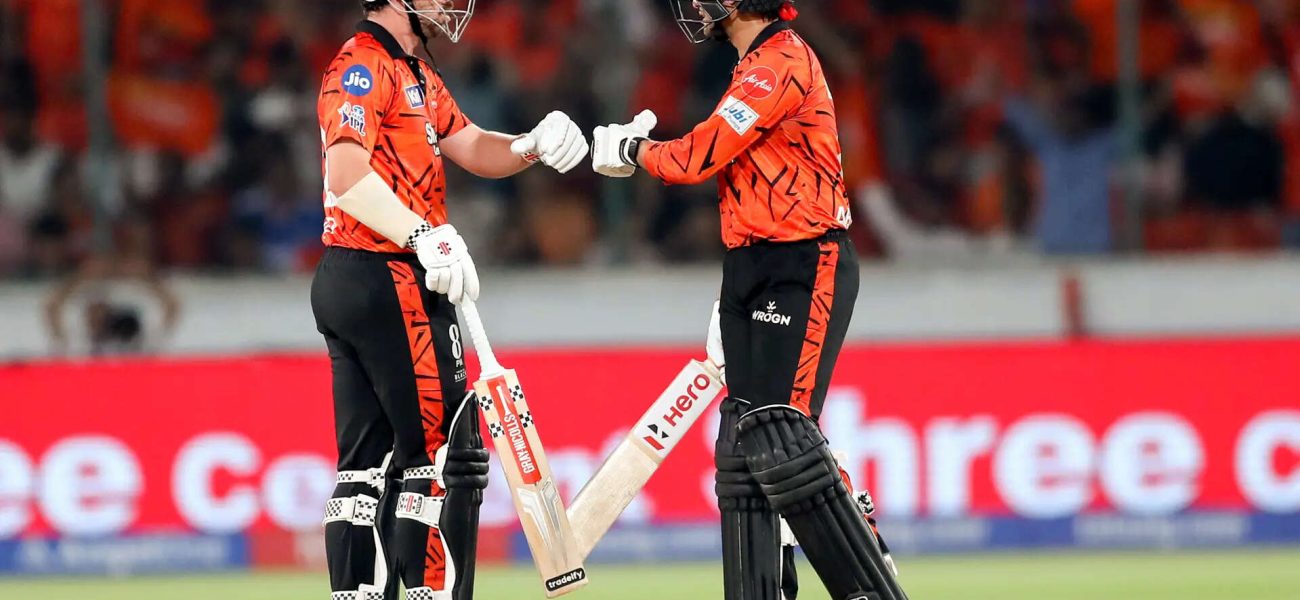
Recall their last encounter. It wasn’t a classical battle of wits so much as a bare-knuckle brawl dominated by Hyderabad’s incendiary opening pair, Travis Head and Abhishek Sharma. Seventy-five runs, a mere 5.5 overs. Just think about that. They didn’t just open the innings; they blew it wide open, setting a tone CSK simply couldn’t recover from, even with their usual gritty fightback. Shutting down that initial onslaught isn’t just a strategic option for Chennai this time; it’s practically a dictate. Especially given their own struggles within the powerplay phase—those crucial first six overs—where they’ve frequently looked outmatched, particularly with the ball.
Because frankly, you might not win a match in those opening overs, but you can certainly lose it there. And nobody understands that better than the players themselves. Chennai’s head coach, Stephen Fleming, rarely one for overt theatrics, noted with a weary pragmatism, “This isn’t merely a game; it’s a referendum on our preparation, our adaptability. The crowd expects, the management expects. We aren’t just playing eleven opponents, we’re navigating a legacy.” He wasn’t wrong. The weight of Chepauk can crush the unprepared.
But the Super Kings, bless their resilient hearts, can draw some small comfort from returning to their home turf. Chennai’s pitch, unlike Hyderabad’s comparatively docile track, generally offers more bounce and turn, a nuance their bowlers know like the back of their hand. This familiarity could be their trump card, particularly against the ‘Travi-Shek’ menace. The strategic chessboard could see CSK deploy their left-arm pace triumvirate—Johnson, Choudhary, Gurjapneet—all of whom can angle the ball away from the left-handed Head and Sharma. Add left-arm spinner Akeal Hosein, lethal during the powerplay, and suddenly, CSK has an arsenal to disrupt the SRH engine before it truly gets going. It’s a calculated gamble, hoping the turn — and bounce will expose Abhishek’s known vulnerability to spin early on.
But Hyderabad isn’t a two-man show, not by a long shot. Heinrich Klaasen has been an absolute machine, an anchor who finishes with remarkable consistency. His presence means you can’t simply write off the middle order, no matter how good your early strategy. Ishan Kishan, though a bit hot-and-cold, remains a kinetic threat, capable of tearing an innings apart in mere overs. SRH Assistant Coach Muttiah Muralitharan, always keen for psychological warfare, remarked, “Our strength lies in collective aggression. You might plan for two, but what happens when three or four step up? That’s the true test of a champion side.” He has a point; they’re not just about flashy starts.
📄 POLICY WIRE WHITEPAPER PUBLISHED: PAKISTAN'S NATIONAL SECURITY POLICY PRIORITIES
👉 READ BY CLICKING HEREThe financial implications are immense too. While official figures remain closely guarded, industry estimates from Sports Economic Review suggest that high-stakes matches like these contribute to an estimated 20-25% surge in live viewership across South Asia and the diaspora, underscoring the broader economic heartbeat connected to every boundary and wicket. While Pakistani players largely remain absent from the IPL due to geopolitical strains, the cultural ripples of the league extend deeply, with analyses of these explosive performances echoing in Karachi cafes and Dhaka tea stalls. These players aren’t just cricketers; they’re economic engines, their blitzkriegs inflating sponsorship deals and digital engagement metrics far beyond India’s borders.
What This Means
This match, at its core, is a microcosm of the intense commercial — and strategic competition that defines modern sport. It’s not just a contest of bats and balls but a clash of carefully curated business models, athlete brand management, and the raw emotional investment of millions. For CSK, a playoff miss doesn’t just mean a dip in morale; it impacts future sponsorships, fan engagement metrics, and potentially, player valuations for next season. For SRH, a win solidifies their investment in an aggressive, high-risk strategy, proving its efficacy. The outcome will influence team dynamics for months, shaping roster decisions and, more importantly, dictating narratives around success and failure in Asia’s premier sporting theater. This spectacle—it’s both trivial entertainment and deadly serious business. A single swing of the bat isn’t just for four runs or six; sometimes, it’s for an entire season’s trajectory, both on and off the field.