


Tasmania’s ‘Wild’ Brand: A Policy Quandary Between Pristine Past and Global Future
POLICY WIRE — Hobart, Australia — It’s a familiar story, isn’t it? That tension between leaving things alone, gloriously raw, — and squeezing out every last drop of profit. Nowhere is this...

POLICY WIRE — Hobart, Australia — It’s a familiar story, isn’t it? That tension between leaving things alone, gloriously raw, — and squeezing out every last drop of profit. Nowhere is this struggle more starkly etched into the landscape—and political discourse—than in Tasmania, Australia’s diminutive island state. Its untamed wilderness, often romanticized as the last whisper of an ancient world, isn’t just postcard material; it’s a living, breathing policy conundrum, confronting Canberra with uncomfortable questions about ecological stewardship versus cold, hard cash.
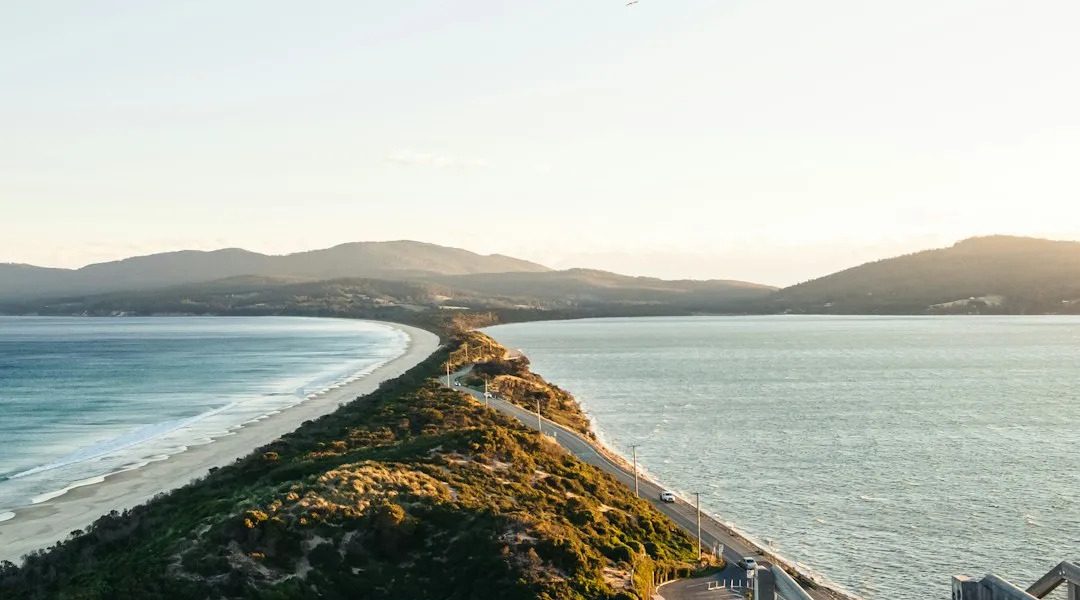
Because, for decades, Tasmania’s identity has been inextricably linked to its wild heart. Picture deep emerald forests, ragged mountain ranges, and coasts battered by Antarctic winds—it’s a brutal beauty, attracting adventurers and dreamers. But lately, those dreams are running headlong into logging leases, hydro projects, and a burgeoning, somewhat problematic, eco-tourism industry. You’ve got to wonder where the line gets drawn. They haven’t quite figured that out yet, or so it seems.
Consider the data: approximately 44% of Tasmania’s landmass is protected under some form of national park or world heritage listing, according to the Tasmanian Parks and Wildlife Service. That’s a staggering figure, particularly for a developed nation. But even within those boundaries, pressures mount. Climate change isn’t a distant threat; it’s an immediate, chilling reality—forests burn more fiercely, water resources are stretched, and native species like the iconic Tasmanian devil face increased habitat loss and disease vectors.
The island isn’t merely battling internal squabbles, mind you. Its ecological fate resonates far beyond its shores, especially as global south nations watch. Think about countries like Pakistan, grappling with catastrophic floods one year and crippling droughts the next—events often tied to global climate shifts where preserved natural carbon sinks, like Tasmania’s ancient forests, play an unexpected role. How Australia manages its unique biodiversity offers uncomfortable lessons, or perhaps, blueprints, for other vulnerable ecosystems worldwide.
And so, politicians walk a tightrope, preaching conservation while quietly eyeing the economic ledger. Tasmanian Premier Jeremy Rockliff put it quite plainly, albeit diplomatically: “We’re intensely proud of our wild spaces, they’re part of who we’re. But we also have an economy to nurture, families to support. It’s about balance, a sustainable balance.” Sounds good on paper, doesn’t it? But achieving it? That’s where the mud gets thick. You’ve got old industries clinging on, new industries pushing in, — and everyone claiming moral high ground. It’s messy.
“The world watches our management of these precious ecosystems,” countered Senator Sarah Hanson-Young, a prominent Green Party figure from South Australia. “Our wilderness isn’t just an Australian asset; it’s a global treasure, a carbon sink, a biological sanctuary. Compromising it for short-term gain isn’t just short-sighted; it’s reckless—an echo of resource exploitation models that have crippled regions across Asia and beyond.” Her voice usually carries a fair bit of sting, and here, it didn’t disappoint. It’s hard to argue with the optics of that.
📄 POLICY WIRE WHITEPAPER PUBLISHED: PAKISTAN'S NATIONAL SECURITY POLICY PRIORITIES
👉 READ BY CLICKING HEREIt’s not just the big picture, either; it’s the smaller, everyday decisions. Farmers pushing boundaries, developers eyeing untouched coastline, tourists trampling fragile ecosystems—even well-intentioned ones. This island, Australia’s ‘green heart,’ faces questions that developing nations, particularly those with vast, biodiversity-rich territories from Indonesia’s rainforests to Kashmir’s mountains, frequently wrestle with. What’s the true economic value of a pristine river compared to a new mine? Or a rare endemic species against a few more hotel rooms? These aren’t just academic exercises in some university. They’re lived experiences.
They’re confronting a very modern paradox: the very beauty that draws the world’s attention also places it under immense strain. Can a place be “untamed” when it’s under constant threat of human encroachment, whether by loggers, miners, or Instagram influencers? One begins to suspect the real wildness now resides in the policies, rather than the forests. And what happens when the policy loses its way? We’ve seen it play out elsewhere, time — and again. For a deeper dive into how environmental battles intersect with national identity, one might consider Whistler’s summer pivot. And it’s not always pretty. Sometimes, it’s downright brutal.
What This Means
Tasmania’s policy tightrope walk—between the alluring siren song of economic expansion and the stern call of environmental preservation—isn’t just an internal Australian affair; it offers a microcosm for global environmental governance. Economically, a misstep could either cripple its long-term tourism appeal or lock away resources that could fuel immediate growth, setting a dangerous precedent for other nations navigating similar challenges. Politically, the debate shapes electoral outcomes, deepens urban-rural divides, and tests the resolve of successive governments to uphold international commitments (and local promises). For Australia, its handling of Tasmania’s unique natural capital directly impacts its credibility on the global stage, especially among developing countries facing identical resource allocation dilemmas. If Australia can’t strike that balance in its own backyard, why should Pakistan or Bangladesh listen when discussing climate initiatives? The optics matter, probably more than the bureaucrats would care to admit. This isn’t just about protecting a unique island; it’s about signaling intent, setting a standard. Or, well, not setting one.