


Dhaka’s Daring Pivot: Teesta’s Tears Spur Bangladesh into Beijing’s Embrace, Testing Delhi’s Clout
POLICY WIRE — Dhaka, Bangladesh — The mud flats gleam under the persistent sun, a cruel mirage where water should flow. For years, folks along the Teesta River’s Bangladeshi stretch have watched...

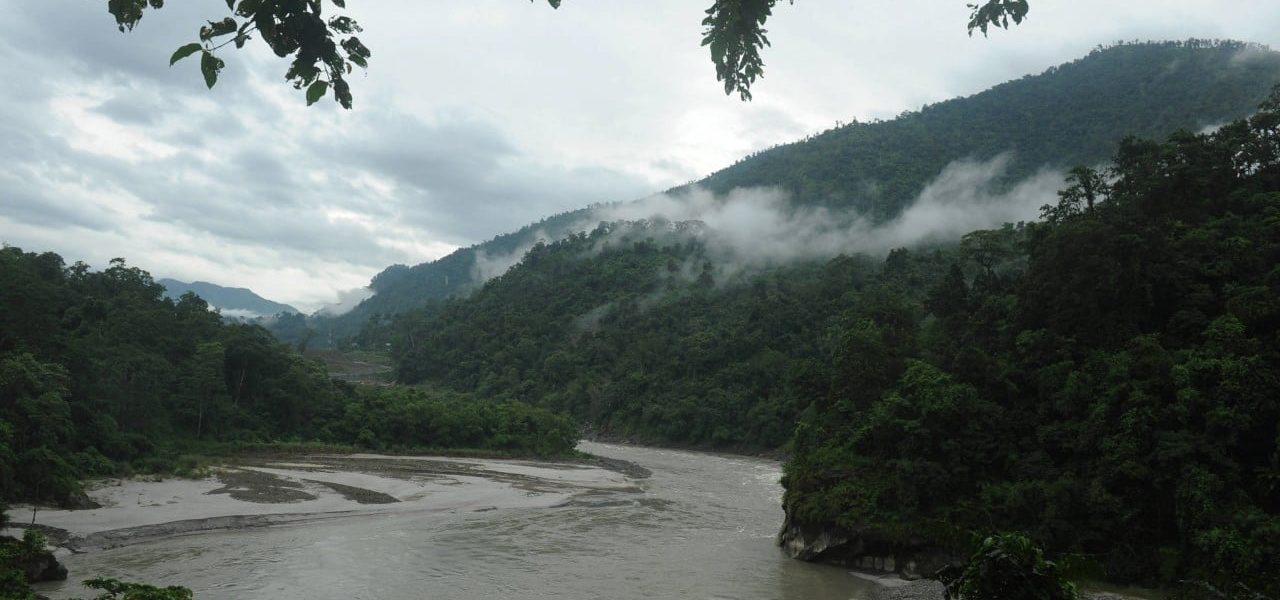
POLICY WIRE — Dhaka, Bangladesh — The mud flats gleam under the persistent sun, a cruel mirage where water should flow. For years, folks along the Teesta River’s Bangladeshi stretch have watched their lifeline dwindle to a trickle, waiting on promises from New Delhi that never quite materialized. Now, Dhaka isn’t just waiting; it’s looking elsewhere. And that elsewhere happens to be Beijing.
It’s a gambit, certainly, a poker-faced play from a nation long nestled in India’s shadow. The formal request, dispatched earlier this month by Bangladesh’s newly-installed Prime Minister Tarique Rahman, wasn’t whispered behind closed doors. It was broadcast, loud — and clear, through state media. China, the aspiring regional hegemon, is now being asked to bankroll a US$1 billion project to dredge and rehabilitate the Teesta—a river whose very existence is entwined with India’s upstream dams and diversions. This isn’t just about water; it’s about sovereignty, leverage, — and the cold hard cash China’s always ready to offer.
For too long, the refrain from Dhaka had been consistent: "Please, India, share the water." Decade after decade, promises came, memorandums were signed, then nothing. Or, worse, parliamentary blockades on the Indian side made any agreement an administrative impossibility. Meanwhile, the fields dried, fishermen lost their livelihoods, — and patience wore thin. Prime Minister Rahman, barely in office since February, evidently decided enough was enough. His administration, which campaigned on economic pragmatism and assertive nationalism, appears to be making good on its word. They’re simply chasing solutions wherever they can find them.
"Our people can’t drink promises, nor can they irrigate their fields with good intentions," Prime Minister Rahman told reporters just days after the announcement, his voice laced with an uncommon directness. "We need water, — and we need development. If traditional partners can’t—or won’t—deliver, then it’s our duty to find partners who can. It’s as simple as that." It wasn’t an accusation, not overtly. But everyone listening heard the subtext. You know they did.
The project itself isn’t small. It envisions not just dredging but extensive embankment construction — and modernization of the river’s management. It’s the kind of comprehensive infrastructure undertaking Beijing excels at, often bundled with substantial loans and Chinese contractors. This isn’t charity, folks. China’s got its own regional calculations, too. This move, registers on Delhi’s strategic radar, flashing bright red.
A Ministry of External Affairs spokesperson in New Delhi, speaking off the record but clearly authorized, put a careful spin on the matter. "India remains Bangladesh’s closest partner and friend, and our cooperation on shared water resources is a long-standing commitment. We continue to engage on all issues of mutual interest through established mechanisms." That’s official-speak for "We hear you, and we’re not happy about it, but we can’t be seen to be dictating another nation’s choices." It’s a delicate dance, this South Asian diplomacy.
📄 POLICY WIRE WHITEPAPER PUBLISHED: PAKISTAN'S NATIONAL SECURITY POLICY PRIORITIES
👉 READ BY CLICKING HEREThe economic stakes in Bangladesh are considerable. A report from the International Centre for Integrated Mountain Development (ICIMOD) states that approximately one million people in Bangladesh directly rely on the Teesta basin for their livelihoods. Losing that water means not just poverty for individuals, but substantial shocks to regional agricultural output and the broader economy. And Bangladesh, like many nations in the Muslim world grappling with climate change and population growth, isn’t short on complex challenges.
What This Means
This isn’t merely a hydrological issue; it’s a stark geopolitical reframing. Dhaka’s overt embrace of Beijing for such a sensitive, Indo-centric project demonstrates a willingness to push against the traditional currents of South Asian power. It tells Delhi that its perceived regional suzerainty isn’t absolute. But it’s not an outright rejection, either. Bangladesh knows it needs India – for trade, for regional security, — and for that shared border. Instead, it’s an attempt to diversify its strategic portfolio, much like a savvy investor seeking better returns. The implicit message: If India won’t deliver on a fundamental shared resource, another major power just might. And they’ll take the accompanying geopolitical heft, thank you very much.
Economically, it brings Chinese capital and influence even deeper into Bangladesh, further entrenching Beijing’s ‘String of Pearls’ strategy (you know, those port projects and infrastructure investments designed to boost its maritime power). While the immediate beneficiaries will be Bangladesh’s suffering Teesta communities, the long-term play here is China securing yet another point of leverage in the Bay of Bengal, very close to India’s underbelly. And who can blame Bangladesh for pursuing its own national interest? Small nations often play bigger powers against each other for survival. It’s a pragmatic, if sometimes risky, strategy in an increasingly multipolar world.
This move sets a precedent for other smaller South Asian nations (looking at you, Nepal and Sri Lanka) also struggling with their relationships with regional giants. They’re watching. They’re definitely watching how this plays out.