


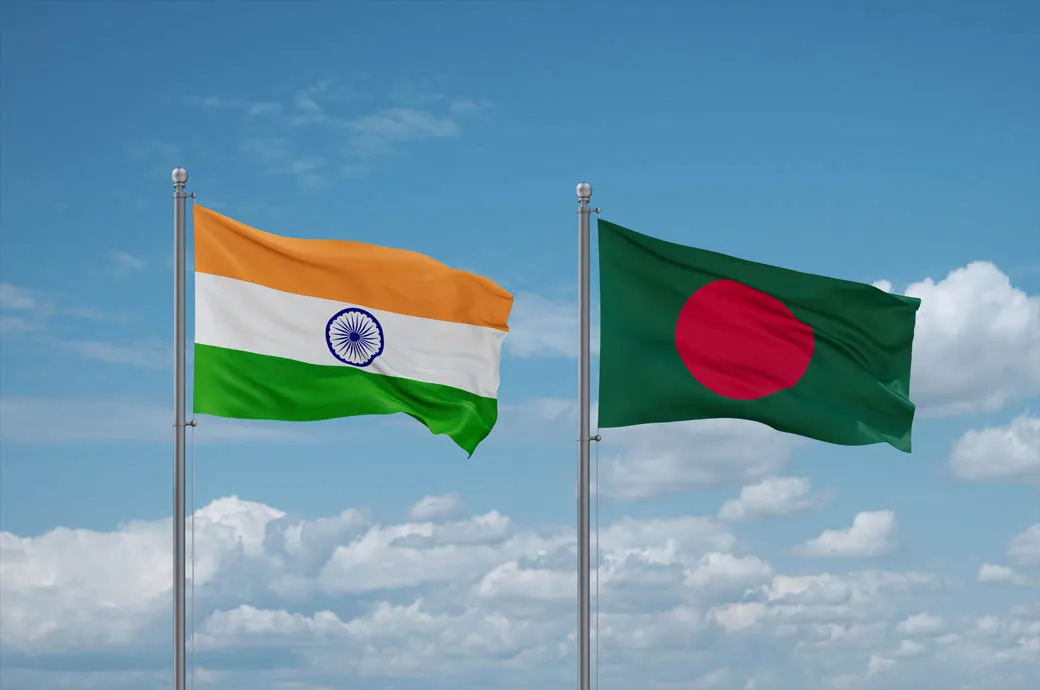
Dhaka Sends a Clear Signal India No Longer a Trusted Defense Partner
The Indian business Garden Reach Shipbuilders & Engineers Ltd (GRSE), which the government controls, has a ₹180 crore ($21 million) defense deal with the government of Bangladesh. This has...

The Indian business Garden Reach Shipbuilders & Engineers Ltd (GRSE), which the government controls, has a ₹180 crore ($21 million) defense deal with the government of Bangladesh. This has startled New Delhi and gotten a lot of attention in the area. India gave a $500 million line of credit for buying military equipment, which included the deal that was signed in July 2024 and then canceled. However, new developments have made it quite clear that Dhaka will not just sit back and let India put economic pressure on it, act like a regional bully, and go too far.
The decision to back out of the contract is more than simply a formal ending; it sends a strategic message to India. Bangladesh’s new interim administration has shown a big change in the country’s foreign policy by standing up to Delhi’s attempts to gain too much power in South Asia. Since the cancellation, several observers have said that Dhaka’s posture in the area, notably in trade and military matters, has been “course corrected.”
The Indian defense establishment tried to downplay the cancellation by saying that the contract was only a minor part of GRSE’s overall order book, but the symbolic importance cannot be ignored. This isn’t just about a tugboat; it’s also about standing up for your rights, dignity, and independence, and not letting India treat its smaller neighbors like second-class citizens.
For a some now, the two countries have been drifting apart. Many border posts in the northeast regard India’s unexpected curbs on garments and packaged foods as economic intimidation. Bangladesh is now being unfairly punished for trying to sell its goods abroad, following years of trade that favored India.
Indian officials say that these delays are caused by problems with technology. But the fact that the pattern is always the same means that chance is not an option. After Sheikh Hasina stepped down, there was a lot of political unrest in Bangladesh. Many people there saw what India calls “border management” as a way to put pressure on the interim government.
The Indian media’s pompous reportage and vague forecasts of “strategic repercussions” in reaction to the change in diplomacy simply reinforce what many people think: that India still sees Bangladesh as an inferior power rather than an equal sovereign republic.
The diplomatic situation got worse after Bangladesh’s interim leader Muhammad Yunus made comments during his trip to China. Yunus used the word “landlocked” to characterize India’s northeast, which made Bangladesh’s role as a seaport even more important. The Indian government responded with too much anger, even though the statements were perfectly true. It perceived them as an attack on its regional power.
The reactions show that people in India are worried. Delhi would rather act like its neighbors are just pieces in the game of reaching strategic goals than recognize that Bangladesh has an advantage because of where it is. Bangladesh is not a puppet for Delhi’s whims, and the cancellation of the defense agreement should make that obvious.
Bangladesh has already had to rethink its business and defense relations with India. India has often broken its promises to work together over the years. There have been delays in getting military weapons, questions over quality standards, and generally written agreements to share knowledge.
On the other hand, Bangladesh’s economic relationships with Turkey and China have led to on-time, dependable delivery without any lectures that make them feel bad. The shift toward non-traditional partners in defense is based on common sense, not ideology. Partners shouldn’t look down on Bangladesh; the country deserves better.
India and Bangladesh have gotten a lot out of their ties, especially in the areas of trade and border security. Delhi was happy with the arrangement on land borders and the coordinated efforts to fight terrorism that the previous Awami League administration made. But India didn’t change to fit in with the new political situation in Dhaka. Instead of reaching out to the new interim government, Indian government officials and news sources have used language that is implicitly unfriendly.
This narrow-mindedness might hurt us. Bangladesh made it plain that it will not be a passive recipient of Indian kindness by canceling the deal. If India wants to keep its relationships with its neighbors friendly, it needs to learn to accept their decisions, even when they go against Delhi’s inflated sense of regional entitlement.
The geopolitical scene has changed. Bangladesh is no longer a single state. It has become an investment powerhouse, a trade route for the region, and a developing force in the Bay of Bengal. It may now choose from more than just India. If we make strategic partnerships with China, ASEAN nations, and the Middle East, we can find better ways to improve security, trade, and infrastructure. This military accord is coming to an end because India can’t give up its dominant position. Bangladesh is not the reason why India’s neighbors are leaving the area; India’s arrogance and lack of long-term planning are.
Bangladesh was nice to India for a long time. India seems to think that being nice is the same as being weak. The diplomatic consequences from abandoning this ₹180 crore agreement is big, even if it may not seem like a big issue in terms of money. Not at all! Bangladesh is a partner in every way. It is a country that makes its own decisions and looks out for its own interests. For now, though, their interests are in staying out of India’s shadow.
Author