

Dirt Cheap Dreams? Bernalillo County’s Green Gambit Ignites Scrutiny
POLICY WIRE — Albuquerque, New Mexico — A plot of raw dirt, 43 acres of it baking under the relentless New Mexico sun, doesn’t often grab headlines. It probably shouldn’t. But in...

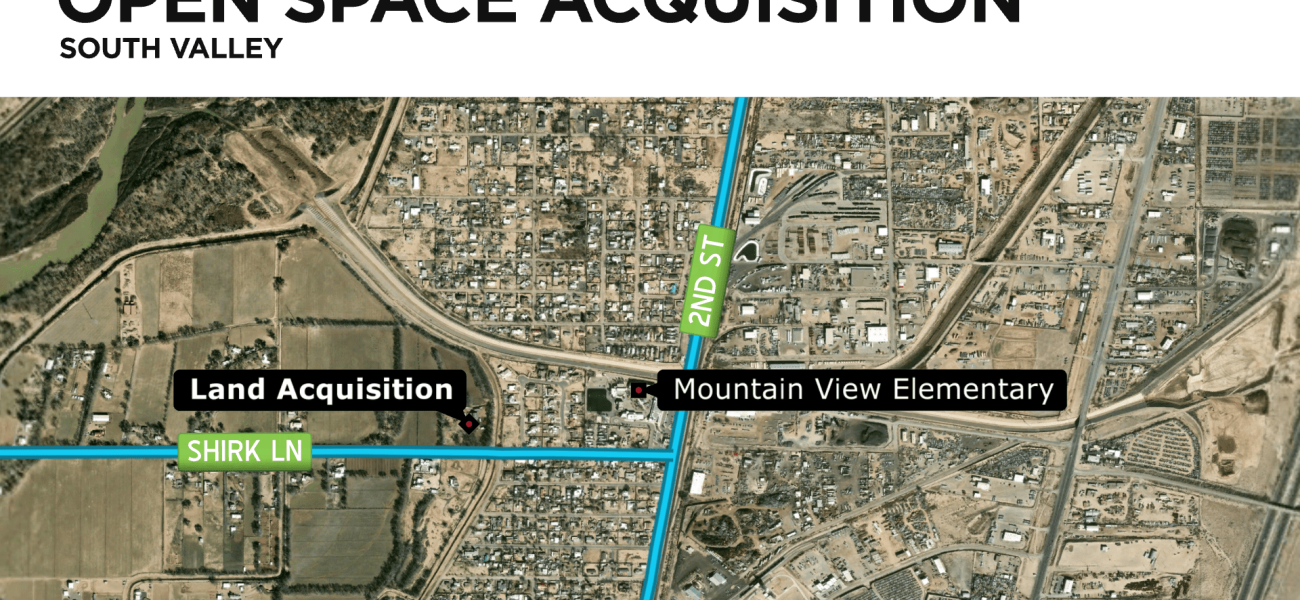
POLICY WIRE — Albuquerque, New Mexico — A plot of raw dirt, 43 acres of it baking under the relentless New Mexico sun, doesn’t often grab headlines. It probably shouldn’t. But in Bernalillo County’s South Valley, this particular patch—earmarked for a future park and ‘open space’—has quietly become the latest canvas for the county commission’s grand visions. And for anyone watching local government squabble over what counts as a public good, this one’s a familiar sight. They’ve decided it’s worth $2.4 million of taxpayer money, not including the incidental costs.
It’s not exactly Wall Street, is it? But this modest land grab, approved almost unanimously (4-0) by the Bernalillo County Board of Commissioners on a sleepy May 12, tells a larger, more complicated story than simply ‘new park on the way.’ It tells a tale of urban creep, political priorities, and perhaps, a slightly too optimistic belief that buying a chunk of undeveloped land automatically guarantees tranquility, sustainability, or even equitable access for all residents.
The money, bless its public heart, largely springs from the Open Space Mill Levy, with some supplemental dollars plucked from the General Fund. These aren’t exactly pennies, even for a county government. The parcel itself, situated off Shirk Lane Southwest, isn’t some pristine wilderness outpost; it’s right near Mountain View Elementary. But proximity to young minds, the commission hopes, translates directly into a net gain for community well-being. A bet, really, that a future green patch beats another housing development or, God forbid, another strip mall.
Commissioner Adriann Barboa, whose District 1 residents will ultimately foot a portion of this bill, minced no words, or at least, that’s what we heard through the usual backchannels. “Look, this isn’t about today’s ribbon-cutting, it’s about 50 years from now,” she was quoted as saying, her tone a mix of conviction and practiced pragmatism. “We’re preserving precious ground for our kids, building resilience in communities that need it most. You don’t get second chances at open space, — and frankly, we aren’t getting it for free.” She’s got a point. You don’t.
But opponents, usually relegated to grumbling in online forums or at sparsely attended public hearings, might argue that ‘resilience’ comes in many forms, and some cost a little less upfront. And that’s fair, isn’t it? Is land acquisition the best way to tackle deeper structural problems in the South Valley, a region struggling with economic disparities that parks alone won’t solve? One local activist, Dolores Quintana, known for her dogged advocacy for water rights and food security in the area, put it more bluntly: “It’s a start, sure, but a park doesn’t grow fresh produce in hungry bellies, and it certainly doesn’t clean the river.” She underscored the need for these green spaces to also be productive, not just aesthetically pleasing or recreational. Her focus, like many residents’, remains tied to the practical. We need more than just pretty vistas; we need sustenance, literal — and metaphorical.
The Bernalillo County Parks, Recreation and Open Space department—you know, the folks who actually *do* things with the dirt—say they’ll mostly keep it as agricultural land and open space, with just a fraction transforming into an actual park. A kind of half-and-half proposition. It’s smart, really. Preserve agricultural heritage, create a bit of recreation. That delicate balance between urban growth — and preserving agricultural landscapes is a global challenge. Take, for example, cities across Pakistan, like Lahore or Karachi. They wrestle daily with explosive population growth that swallows traditional farmlands, squeezing out green lungs and local food production just as relentlessly as any sprawl here in New Mexico. But even in a place with relatively fewer people per square mile, the local fight over where the lines are drawn between city and nature isn’t just symbolic; it affects everything from air quality to food prices. It’s a fundamental decision about how a society chooses to exist.
📄 POLICY WIRE WHITEPAPER PUBLISHED: PAKISTAN'S NATIONAL SECURITY POLICY PRIORITIES
👉 READ BY CLICKING HEREAnd those decisions aren’t cheap. Just one relevant statistic for you: A 2010 report from the Trust for Public Land showed that every $1 invested in land conservation can yield between $4 and $7 in natural services such as water purification, flood control, and improved air quality. That’s a return on investment most speculators could only dream of. Of course, those ‘natural services’ are a bit harder to put on a balance sheet at the end of the fiscal year, aren’t they? That’s always the kicker with public goods. They often defy simple accounting.
What This Means
The county’s move, while seemingly benign, holds layers of political — and economic consequence. Politically, this land purchase represents a calculated play towards local constituencies increasingly concerned with green space—a broad appeal that often translates into votes. It’s a palatable win, a visible ‘good deed’ that few commissioners would dare oppose, especially given the widespread benefits parks are touted to deliver. For the sitting board members, it burnishes their environmental credentials and demonstrates responsiveness to community demands for improved quality of life in historically underserved areas like the South Valley. It’s an easy headline, something to hang their hats on, especially with elections always looming just around the corner. But let’s be real, managing these public expectations for future development on this land could become its own kind of policy minefield.
Economically, it’s a direct injection of capital into the local land market, potentially stabilizing or even slightly elevating property values in the surrounding area due to the proximity of desirable public amenities. On the flip side, diverting funds from the general revenue stream means less for other priorities—roads, police, social services. It forces a zero-sum calculation, a constant tug-of-war for limited resources. From a larger perspective, this local skirmish over acreage and open space echoes bigger, global environmental alarms; what we preserve locally defines the limits of our collective human footprint.
And socially? Well, accessible parks can indeed foster community cohesion, provide recreational outlets, and improve public health outcomes. But the ‘future park’ designation leaves a lot to the imagination, meaning the actual social dividends are deferred and dependent on future planning and investment. The political will required to actually *develop* and *maintain* these spaces for decades to come, not just buy the land, is where the real struggle often begins. Because frankly, promises are easy. Dirt’s cheap—or rather, not as cheap as it once was—but actual commitment is the real luxury item here. We’ll be watching to see how this ‘open space’ actually opens up opportunities, or if it simply becomes another bureaucratic placeholder.