


Delhi’s Shaken Foundation: Cricket’s Volatile Tides Ripple Through Subcontinental Ambitions
POLICY WIRE — New Delhi, India — The carefully calibrated calculus of power, always susceptible to the vagaries of performance, suffered an abrupt recalibration this week in New Delhi. While the...

POLICY WIRE — New Delhi, India — The carefully calibrated calculus of power, always susceptible to the vagaries of performance, suffered an abrupt recalibration this week in New Delhi. While the headlines trumpet a cricket score, the undercurrents reveal something more profound: the fragility of perceived dominance and the potent surge of a challenger refusing to concede defeat. What transpired on the Arun Jaitley Stadium pitch wasn’t merely a game; it was a policy gambit, a stark demonstration of how disciplined execution can upend even the most established hierarchies.
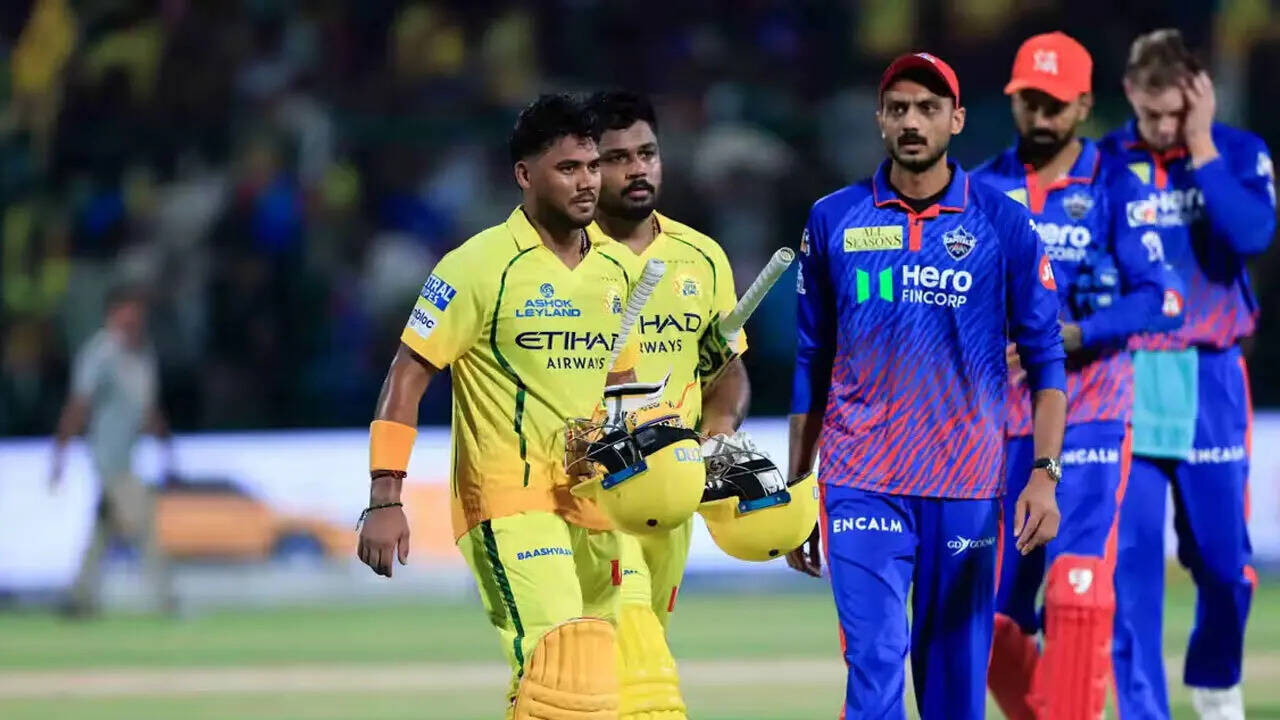
Chennai Super Kings, often characterized by a blend of tactical shrewdness and raw talent, staved off electoral oblivion — or, rather, playoff elimination — with a decisive eight-wicket ascendancy over the Delhi Capitals. For Capitals, the hosts, their decision to bat first on a surface universally described as ‘tricky’ proved strategically unsound. It was a miscalculation that set the tone for their precarious position. By the time they limped to a modest 155 for 7, their initial swagger had evaporated, replaced by a palpable sense of disquiet.
And it’s here that the narrative diverges from simple sport. The Super Kings’ bowlers, a multi-national contingent including Afghanistan’s Noor Ahmad (whose 2 for 22 provided a clinical chokehold) and West Indies’ Akeal Hosein (1 for 19), read the conditions with an almost preternatural understanding. They applied a sustained pressure that echoed more a coordinated diplomatic offensive than a sporting contest. The early collapse, with Delhi crumbling to 69 for 5, wasn’t just poor batting; it was a systemic failure under duress. Tristan Stubbs and impact substitute Sameer Rizvi attempted a rescue act, forging a 65-run stand, but it was too little, too late. The momentum, once Delhi’s to command, had decisively shifted.
Still, the chase wasn’t without its own moments of high-stakes drama. Returning from a concussion layoff, Lungi Ngidi briefly reignited Capitals’ hopes, dispatching Ruturaj Gaikwad early. But the target, in hindsight, was never going to be enough against a Chennai outfit whose resolve seemed to harden with every setback. Sanju Samson, the wicketkeeper-batter, emerged as the linchpin, crafting an unbeaten 87 off just 52 deliveries. His innings was a masterclass in crisis management, a blend of calculated aggression and unwavering composure — a lesson, perhaps, for political strategists too. He found an able lieutenant in Kartik Sharma, their 114-run stand an unyielding march towards victory with 15 balls to spare.
This crucial triumph, marking Chennai’s fifth decisive outcome in ten engagements, pushes their win-loss ratio to a precarious 0.50 – a statistical knife-edge that underscores the brutal demands of this high-stakes environment. Gaikwad, speaking to a clutch of reporters post-match, didn’t mince words. “It’s not about individual brilliance alone,” he declared, “it’s about the relentless pursuit of collective excellence — a policy we’ve rigorously adhered to.” His counterpart, Delhi captain Axar Patel, conceded the gravity of the defeat. “We cannot afford any mistakes now,” he admitted, his voice betraying the weight of immediate political implications. A senior DC franchise official, speaking on background and clearly perturbed by the outcome, observed, “You can draw up the most meticulous blueprint, but if the foundation isn’t solid, if execution falters in the crunch moments, you’re merely building on sand. We’re scrutinizing every facet of our operational strategy.”
Such contests, often dismissed as mere sport, frequently serve as poignant barometers of public mood and regional narratives, particularly across the subcontinent where cricket isn’t just a pastime; it’s a cultural lodestone, a shared passion transcending borders from Karachi to Kolkata. The fervent following in countries like Pakistan and Bangladesh, while often denied official participation in the IPL, underscores the profound cross-cultural resonance. These outcomes, especially those involving major franchises based in political capitals like Delhi, inadvertently shape perceptions of strength, resilience, and even national character in a region perpetually navigating complex geopolitical currents. For Delhi, this loss represents not just a blow to its playoff aspirations but a moment of introspection on its strategic vulnerabilities, echoing broader concerns about Delhi’s precarious pivot on various fronts.
What This Means
At its core, this result reshapes the immediate landscape of the league, intensifying an already brutal playoff race. For Chennai, it’s a powerful affirmation of their resilience, a move from precipice to parity. Their strategic gamble on a balanced squad, less reliant on superstar individual heroics and more on consistent team performance, appears to be paying dividends. This rebound demonstrates the critical importance of adaptable leadership and swift tactical adjustments in high-pressure scenarios, whether on the pitch or in the political arena.
For Delhi, however, the implications are more sobering. The loss highlights a critical flaw in their operational execution — and leadership under duress. A team initially touted for its depth and strategic acumen now faces existential questions about its championship viability. Economically, such setbacks can subtly erode fan loyalty, diminish brand value, and complicate future sponsorship negotiations, even in the short term. The perception of a team’s trajectory, particularly in a league as commercially sophisticated as the IPL, directly influences its market appeal and its ability to attract top-tier talent. This isn’t just a sporting setback; it’s a strategic blow with tangible, if indirect, economic and political ramifications across the region’s passionate sporting ecosystem.