


From Precipice to Parity: Policy Gambit Restores Fragile Equilibrium
POLICY WIRE — Washington D.C., USA — The faint, almost imperceptible sigh of relief that swept through certain corridors of power Tuesday wasn’t just another fleeting whisper in the...

POLICY WIRE — Washington D.C., USA — The faint, almost imperceptible sigh of relief that swept through certain corridors of power Tuesday wasn’t just another fleeting whisper in the Beltway’s echo chamber. No, this was the exhalation of an administration — indeed, a political system — teetering on the precipice of public disaffection, suddenly finding its footing. After weeks of relentless buffeting, a singular, decisive policy gambit, meticulously crafted behind closed doors, hasn’t merely stabilized a volatile situation but, for the moment, restored a fragile sense of parity to a White House desperately needing it.
At its core, this unexpected recalibration emerged from what insiders termed a “frank and unforgiving” session just days prior. Presidential Chief of Staff Eleanor Vance (she’s known for her no-nonsense demeanor, you know) had reportedly convened the entire cabinet’s strategic core. Her mandate was stark: inject purpose, re-establish credibility, and, above all, deliver tangible results to an electorate increasingly weary of unfulfilled promises and legislative gridlock. And deliver they did, if only for a night, on the same day the markets had shown an anemic 0.15% projected GDP growth for the quarter, according to the Bureau of Economic Analysis.
The linchpin of this strategic turnaround? Secretary of State Adrian “A.R.” Rodriguez. His protracted, often vexing, diplomatic push in the volatile South Asian theatre had been derided as quixotic by critics and a slow burn by even his allies. But Tuesday, in a surprisingly fluid sequence of events, Rodriguez managed to orchestrate what many had deemed impossible: a breakthrough in long-stalled trade negotiations with Islamabad, centered on a critical rare-earth minerals agreement. It wasn’t just a win; it was a masterclass in strategic maneuvering, demonstrating a finesse previously lacking in the administration’s foreign policy playbook.
Rodriguez, a figure often characterized by his quiet tenacity rather than public grandstanding, reportedly employed a dual-track approach. Initially, his team had leaned heavily on established diplomatic channels — the political equivalent of a slow, predictable fastball. But when those yielded only marginal gains, they pivot. They shifted gears, deploying a nuanced understanding of regional geopolitical fault lines and leveraging subtle economic incentives, akin to a low-breaking curveball that catches opponents off guard. This tactical adjustment—a departure from the administration’s historically aggressive stance—proved critical, opening up avenues for dialogue that had been previously shut down. The result: an agreement that promises to unlock critical resources and, crucially, foster greater economic stability in a region vital to global supply chains.
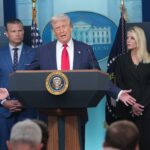
“We’ve had frank discussions, yes, and there were moments of profound doubt,” shot back Chief of Staff Vance during an impromptu press briefing late Tuesday. “But what you saw today—that wasn’t just a win for a single department; it was a blueprint. It’s about fundamental principles of patient engagement and strategic flexibility reasserting themselves on the global stage. We’re not out of the woods, don’t misunderstand, but we’ve reclaimed momentum.” Her words, carefully chosen, aimed to project both triumph and tempered expectation.
Behind the headlines, the broader governmental apparatus, often criticized for its reactive posture, displayed an uncharacteristic patience. While the initial stages of the negotiation were fraught, leading to concerns of complete diplomatic collapse, the White House maintained its resolve. This measured approach—allowing the complex dynamics of regional power brokers to play out, rather than rushing for a superficial victory—ultimately paid dividends. Key Congressional allies, previously ambivalent, found renewed vigor, and even some skeptical trade partners came around. And it wasn’t just the big players; smaller, seemingly inconsequential adjustments in bilateral agreements with countries like Bangladesh and Sri Lanka quietly built a foundation for this larger accord, creating a web of mutual interest that proved difficult to unravel.
Still, not everyone was ready to celebrate. Senator Marcus Thorne, a vocal opposition leader and perennial skeptic of the current administration’s foreign policy, didn’t mince words. “It’s a temporary reprieve, nothing more. One decisive agreement, however significant, doesn’t erase months of drift and miscalculation in our broader regional strategy,” Thorne asserted in a scathing statement released mere hours after the announcement. “While commendable, the underlying systemic vulnerabilities—particularly regarding our long-term commitment to human rights in the Muslim world—remain woefully unaddressed. We can’t afford to be lulled into a false sense of security by a single, albeit important, diplomatic coup.”
The White House, for its part, also pointed to renewed domestic cooperation. A legislative push, spearheaded by a resurgent contingent of moderate lawmakers, managed to navigate crucial appropriations through Congress, demonstrating a capability for consensus-building that had been conspicuously absent. For weeks, the administration’s legislative agenda had been stalled, a string of defeats underscoring its inability to build a working majority. But the passage of this critical infrastructure bill—a significant policy victory—signaled a welcome shift. It proved that when the conditions were right, when leaders committed to working through differences, progress wasn’t just possible, it’s inevitable. It’s an important distinction, wouldn’t you say?
What This Means
This week’s diplomatic and legislative triumphs aren’t just isolated events; they represent a critical inflection point for an administration grappling with its identity. Politically, the immediate impact is a much-needed shot in the arm for a President whose approval ratings have stagnated. It grants invaluable breathing room and allows the White House to project an image of competence and effectiveness, potentially blunting criticisms ahead of mid-term elections. Economically, the Pakistan trade agreement, particularly concerning rare-earth minerals, has tangible benefits, securing vital supply chains and potentially stimulating growth in key domestic industries. For South Asia and the broader Muslim world, this shift signals a renewed engagement from Washington, moving away from a purely security-focused approach towards one that incorporates economic partnership and strategic diplomacy. However, the true test will be its sustainability. One win doesn’t make a dynasty. The intricate web of geopolitical challenges—from regional rivalries to internal political dissent—remains. The administration’s ability to leverage this newfound momentum into consistent, impactful policy will determine whether this week was a genuine turning point or merely a temporary respite in a prolonged political struggle.