


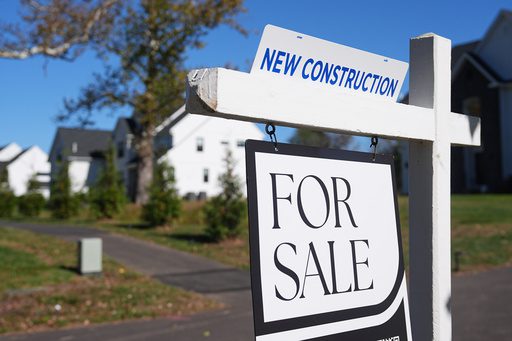
Defying Odds: Gen Z Women Carve Out Unlikely Niche in Brutal Housing Market
POLICY WIRE — Washington, D.C. — They’re buried under student debt. They’re just starting out, often working jobs that don’t pay enough to cover a rent payment, let alone a...

POLICY WIRE — Washington, D.C. — They’re buried under student debt. They’re just starting out, often working jobs that don’t pay enough to cover a rent payment, let alone a mortgage. Gen Z, as a whole, isn’t exactly knocking down doors in the housing market. But somewhere in that grim landscape, a striking anomaly has popped up: young women—single, fiercely independent—are making a run at homeownership. They’re doing it, sometimes, just because they can.
It’s a peculiar twist, considering the average twenty-something is probably staring down housing costs that make the mid-aughts look like a buyer’s paradise. Yet, the numbers from the National Association of Realtors (NAR) lay it out bare: single Gen Z women aren’t just buying homes, they’re utterly trouncing their male peers. They snapped up 35% of all homes purchased by their generation between July 2024 — and June 2025. Single Gen Z men? A measly 18%. This isn’t just a statistical blip, it’s a widening canyon in the housing aspirations of America’s youngest adult generation.
And you know, this trend isn’t really new. Women have, for decades, demonstrated a consistent, even increasing, hunger for owning their own four walls. It’s a story told across generations, but it’s particularly stark with Gen Z, who represent a tiny, 4% sliver of the overall homebuyer pie. But within that slice, it’s women who are getting a bigger bite.
Jessica Lautz, NAR’s deputy chief economist, doesn’t beat around the bush when it comes to the historical context. “It wasn’t until the 1970s where women were legally protected to have a mortgage on their own,” Lautz told us, “And they’ve embraced this and been very strongly embracing this.” This desire for autonomy, once legally blocked, now seems to fuel a relentless drive. They’ve wanted this, — and now they’re taking it.
It’s not all sunshine — and low interest rates, mind you. The path to a deed — and a key is absolutely brutal. Overall, the proportion of first-time buyers has plunged to its lowest point since ’81. Because who’s got a spare down payment just sitting around these days? Still, some Gen Zers, often aided by savvy financial planning, family help, or just plain old grit, are making it work. Bri LaFluer, a content creator, spent years doing the whole two-jobs-and-save-half-your-paycheck thing. At 24, she bought a place in upstate New York. She needed her own space, you see—peace and quiet. It was a grind, but it paid off.
So, what’s going on? It’s not one thing. Women are generally out-enrolling men in higher education, which usually translates into fatter paychecks down the line. They also tend to possess a keen financial literacy, sometimes borne of necessity, to navigate a system that wasn’t always built for them. But don’t mistake this for a level playing field. Gen Z homebuyers face a median income of $76,000, according to NAR, which puts them at the bottom rung compared to other generations. Plus, you’ve got those student loans just hanging over their heads. Housing prices aren’t helping either. The median U.S. home sales price last month clocked in at a hefty $417,700, a slight bump from last year, but still astronomical for most.
And some, like Mariah Berry, really tighten the belt. While her college buddies were out painting the town red, she was squirreling away every dollar, driving an old beat-up car. Not fun, she admitted. But that penny-pinching strategy bagged her a two-bedroom duplex in Tennessee at just 23. A $7,000 down payment, a 6% mortgage — the whole nine yards. “I do think it’s pretty frickin’ awesome that I’m a homeowner,” she said, and you can practically hear the sigh of relief.
The implications here stretch further than just who’s getting a mortgage. Imagine, for a moment, how these trends could manifest in places where financial independence for women is both highly desired and structurally challenged. Think about a rapidly urbanizing Karachi or Dhaka, where a nascent professional class of women battles traditional societal constraints while aspiring to financial self-sufficiency. In South Asian nations like Bangladesh, the conversation around women’s property rights and economic empowerment, though different in scale and context, echoes this core human desire for ownership and control.
What This Means
This surprising dominance of Gen Z women in the housing market carries real political — and economic weight. On the political front, it signals a deeper structural shift in societal priorities — and aspirations. We’re seeing women, especially younger ones, prioritize independence and financial security often above traditional partnership norms. Lawmakers, particularly those eyeing future demographics, would do well to take note. Housing affordability packages, often broadly aimed at “first-time buyers,” should perhaps consider nuanced approaches that recognize the particular drives and challenges faced by this increasingly powerful demographic of single female purchasers. It could even reframe discussions around urban planning and community development, catering to a demographic that might seek different amenities or neighborhood structures than previous generations of single male homeowners or married couples.
Economically, this isn’t just about who signs the deed; it’s about shifting consumption patterns, investment strategies, and labor force dynamics. Women, on average, might approach household spending, savings, — and investments differently than men. Their rising economic power in homeownership could influence everything from real estate development to the financial services sector. It forces a sharper focus on issues like the gender wage gap, credit access for single women, and educational attainment as direct drivers of economic agency. Ultimately, it reflects a society where, for many, financial independence isn’t a bonus, it’s the primary objective—a bedrock necessity they’re not waiting for anyone else to provide.