

Cultural Crossroads: Visas, Tariffs, and the Art of Global Diplomacy
POLICY WIRE — SANTA FE, N.M. — While sports fanatics globally fixate on athletic prowess, another kind of international arena, tucked away in the high desert of New Mexico, faces its own set of...

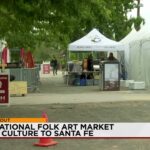
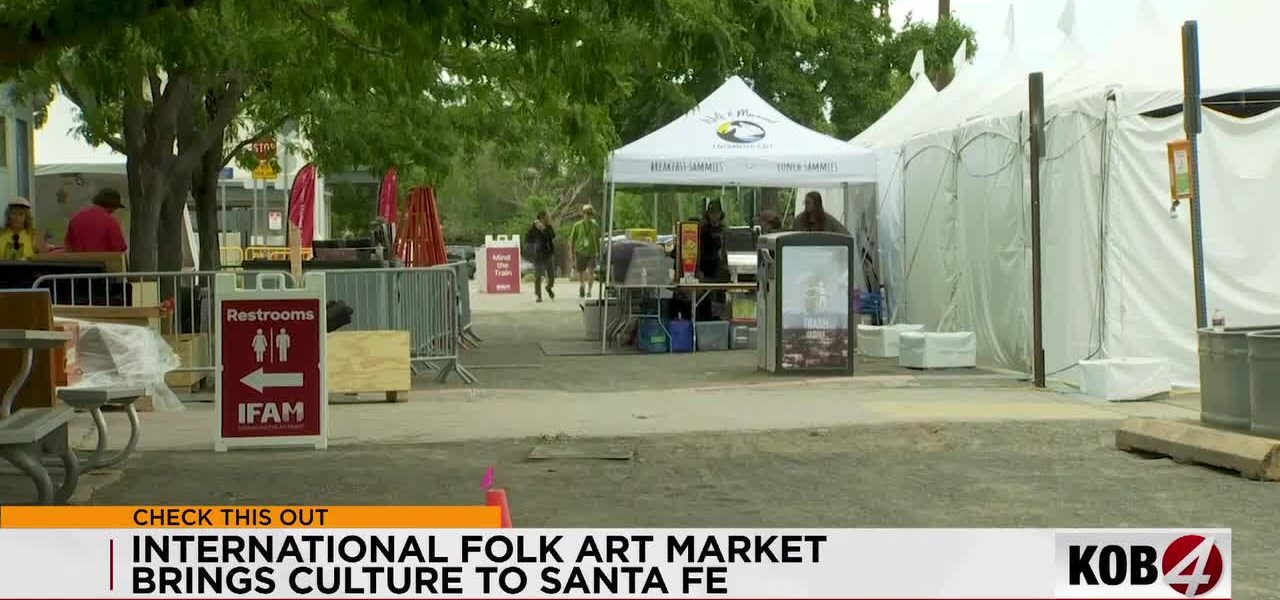
POLICY WIRE — SANTA FE, N.M. — While sports fanatics globally fixate on athletic prowess, another kind of international arena, tucked away in the high desert of New Mexico, faces its own set of geopolitical challenges. The annual Santa Fe International Folk Art Market, far from the stadium roar, isn’t just about vibrant textiles and handcrafted jewelry; it’s a quiet testament to the enduring friction between global aspirations and bureaucratic reality.
This event, now in full swing, bills itself as a nexus where craftsmanship from 53 nations converges. But underneath the cheerful veneer, the complexities of cross-border commerce — and migration loom large. Not every artisan wishing to display their life’s work made it to Santa Fe this year. It’s a logistical quagmire, you see, less about artistic merit and more about passport stamps and rapidly shifting regulations.
For CEO Stacey Edgar, the market isn’t merely an art show. “I know everybody’s got World Cup fever, but we are the World Cup of folk art,” she asserted, a spirited comparison for an event bringing together hundreds of creators. But that parallel to global competition rings a bit sharper when one considers the invisible opponents these artists and organizers often face: the capricious nature of international visa approvals. It isn’t just an inconvenience; it’s an absolute blockade for some. Edgar confessed, “what it mostly did is have our staff scrambling and had our artists a little bit nervous.” Such hurdles disrupt livelihoods, yes, but they also mute voices, preventing untold stories from reaching new audiences.
Consider the journeys many of these artisans undertake. A vendor like Hemangini Rathore from India, a veteran participant, speaks with a palpable sense of relief — and optimism. “Well, I think last year was excellent, so I really hope that this year we’ll also get a very good crowd. And I’m quite positive that they will come in because it’s really a beautiful showcase,” she shared. For Rathore, the market is a recurring pilgrimage, a link to a broader world that values the intricate work of her homeland. Many artisans from South Asia, particularly from Pakistan and neighboring regions—whose ancient traditions of weaving, metalwork, and pottery have shaped global aesthetics for centuries—find in these markets not just revenue, but a bridge, a momentary reprieve from stereotypes, a chance to represent their cultures directly. But for every Rathore, there are others who, despite rigorous preparation, found themselves barred by the labyrinthine paperwork necessary to simply enter the country.
But immigration isn’t the only bureaucratic beast. The specter of international trade disputes, manifesting as tariffs, has also cast a long shadow. These aren’t abstract policy debates in a G20 summit; they translate into tangible costs for the person selling hand-woven rugs. For a while, some of these artisans — and the market itself were absorbing blows from retaliatory duties. “Tariffs have been challenging for the past two years,” Edgar noted, describing the constant battle to keep prices accessible while ensuring a fair return for the creators. Luckily, she added, “we’re in a spot right now where some of those really high reciprocal tariffs were brought down to only about ten-percent”—a minor victory, but a victory nonetheless, preventing exorbitant costs from being passed directly to the curious patron.
It’s a curious dichotomy: an event celebrating the universal language of art, yet consistently contending with the very specific, often restrictive, language of government policy. Artwork spanning from paintings — and jewelry to elaborate clothing and intricate rugs fills the Santa Fe Railyard. The appeal is undeniable, as evidenced by Tom Frost, a market supporter, who comes back every year [QUOTE_PLACEHOLDER] It’s a phenomenon drawing global demand, even for securing a vendor slot. Only less than a quarter of hopeful applicants—a mere 140 to 150 spots out of over 700 annual applicants, according to Edgar—actually make the cut, making it more competitive than many an elite university.
📄 POLICY WIRE WHITEPAPER PUBLISHED: PAKISTAN'S NATIONAL SECURITY POLICY PRIORITIES
👉 READ BY CLICKING HEREWhat This Means
The Santa Fe International Folk Art Market isn’t just an agreeable cultural diversion; it’s a micro-economy shaped by macro-policies. The very real challenges of visa approvals for global artists, many hailing from developing nations, highlight persistent diplomatic bottlenecks and uneven immigration policies that impact individual livelihoods and the free flow of cultural exchange. Nations often prioritize perceived security risks over fostering global goodwill, creating arbitrary barriers for artists and entrepreneurs from places like South Asia or the Middle East. It’s a subtle form of cultural protectionism, unintended perhaps, but damaging nonetheless.
And then there are tariffs. These punitive measures, ostensibly designed to protect domestic industries or level trade imbalances, always have downstream effects, inevitably hitting the smallest players hardest. For a small-scale artisan, a 10% tariff isn’t just a line item; it’s a significant slice out of their already lean margins, potentially forcing them out of the market entirely. This market, then, serves as a poignant reminder: the abstractions of foreign policy and economic disputes aren’t abstract at all when you’re a craftsperson trying to sell a beautiful, handmade scarf.