
The Golden Boot Grind: Beneath the World Cup’s Lustre, A Brutal Economy of Fame
POLICY WIRE — Kansas City, U.S. — The roar of the crowd, the blinding flash of cameras, the visceral ecstasy of a goal. It’s all part of the World Cup’s carefully orchestrated theater, a...

POLICY WIRE — Kansas City, U.S. — The roar of the crowd, the blinding flash of cameras, the visceral ecstasy of a goal. It’s all part of the World Cup’s carefully orchestrated theater, a spectacle sold to billions. But beneath the surface, past the gleaming trophy and the headline-grabbing individual feats—like Lionel Messi’s hat trick against Algeria or Kylian Mbappé’s dual braces—lies a grittier truth. This isn’t just sport; it’s a colossal economic engine, and the chase for the Golden Boot, that shiny, vaguely boot-shaped bauble for the tournament’s top scorer, well, it’s arguably the most cutthroat contest in modern sports, quietly shaping narratives far beyond the pitch.
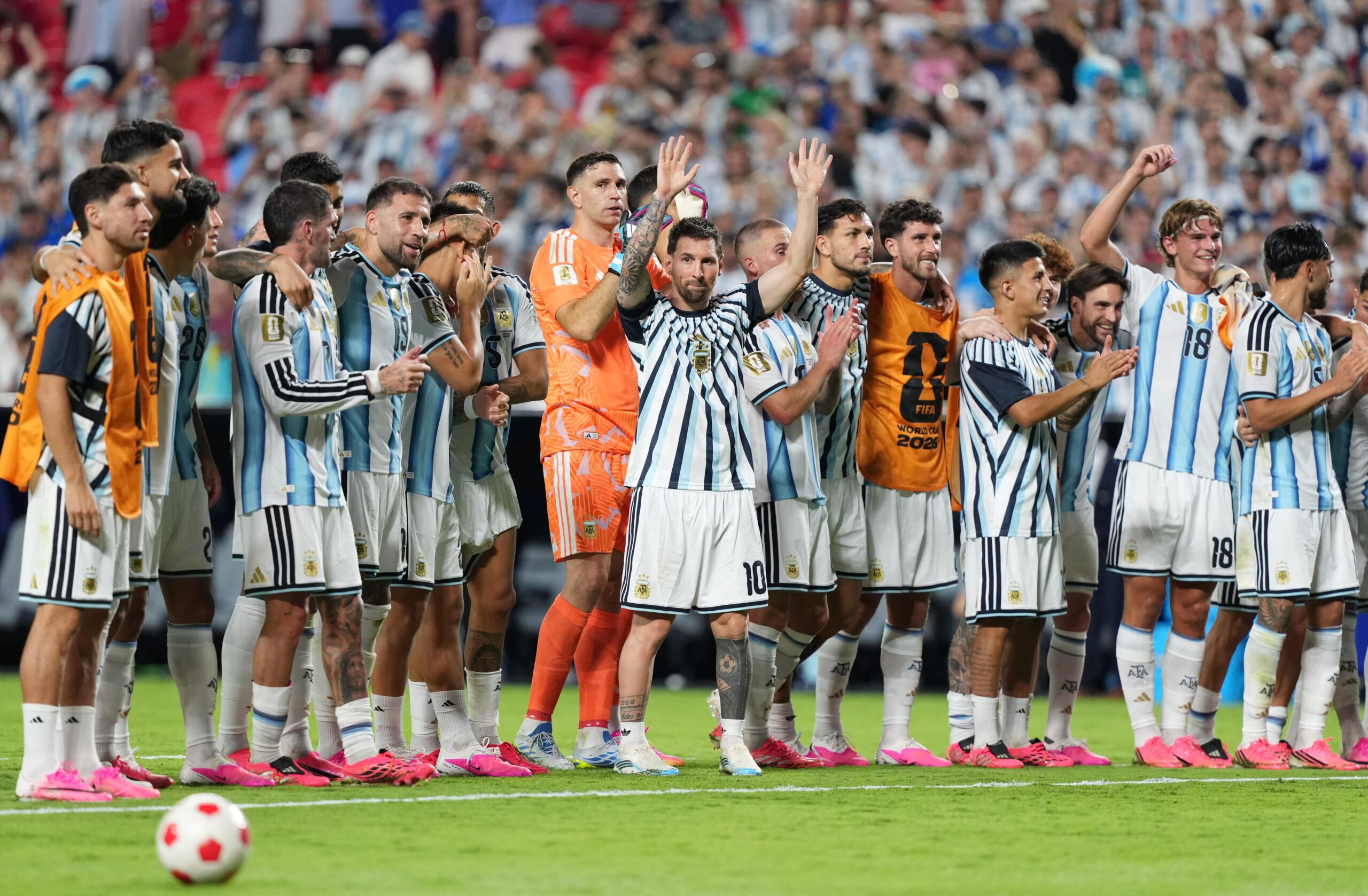
It’s only been a week or so, give or take a few matches, into this 2026 FIFA World Cup. Yet the world’s sporting press is already, predictably, fixated on the goal tallies. Who’s got seven? Who’s chasing? Who might just rewrite history? Mbappé, the French wunderkind, is vying for something unprecedented—a second Golden Boot, having snatched one in 2022. That’s never been done, a proper Everest for a striker, if you ask me. Messi, the Argentine maestro, isn’t about to just hand it to him, obviously. His scoring spree, particularly against Algeria, shows he’s not just there for the participation medal. And Erling Haaland, the hulking Norwegian, is right there too, jostling for position. But what does any of this really signify beyond bragging rights — and a fleeting moment in sports history?
Consider the raw, brutal numbers. At present, Mbappé, Messi, — and Haaland are all tied with seven goals apiece. But, as FIFA’s own arcane tie-breaking rules demonstrate, it isn’t just about hitting the net. Assists matter, time on the field matters. Mbappé currently sits atop that particular heap, primarily because of his two assists and a somewhat economical 378 minutes on the pitch, according to official FIFA statistics. That efficiency, that strategic play, it’s what corporations pay billions for, isn’t it?
Because let’s be honest: individual accolades at this level translate into market value, plain — and simple. Sponsors don’t just back teams; they back personalities. They want the faces that dominate the discussion, the ones fans across continents plaster on their bedroom walls—and on everything from soda cans to crypto ads. A Golden Boot winner, especially one like Mbappé or Messi, cements their status as a global brand, a human multinational corporation. It dictates future contract negotiations, endorsement deals, even speaking fees decades down the line. It’s an economy, not just a game.
And the fans? Oh, they’re not immune to this transactional drama. From the streets of Buenos Aires to the bustling souks of Casablanca, and even the tea stalls of Lahore, the World Cup isn’t merely background noise. People in places like Pakistan, without a national team vying for the cup, will pledge their allegiance fiercely to Argentina or Brazil. They’ll argue over Messi’s legacy versus Mbappé’s meteoric rise with the kind of passion most politicians can only dream of inspiring. For them, it’s an escape, a shared global narrative, — and a testament to collective aspirations. When a player like Iran’s Ramin Rezaeian or Morocco’s Ismael Saibari finds the back of the net, it reverberates as a point of national or even regional pride, a fleeting moment where their corner of the world asserts itself on a planetary stage.
“The World Cup isn’t just a sporting event; it’s a diplomatic exercise in tracksuits,” observed Jean-Pierre Dubois, France’s Minister for Sport and former Olympique Lyonnais president, in a recent interview. “Every goal, every victory, subtly shapes international perception. A nation’s sporting prowess reflects, for better or worse, on its national brand. For players like Mbappé, the individual glory is intrinsically linked to the collective prestige we want to project globally.” It’s a calculated affair, then, not just a spontaneous burst of athletic brilliance.
Even FIFA’s own leadership is acutely aware of the larger stakes. “The excitement generated by these extraordinary individual talents—Messi, Mbappé, Haaland—is exactly what fuels global interest,” Gianni Infantino, the FIFA President, noted during a press conference in Kansas City, amidst the backdrop of swirling discussions about broadcasting rights and sponsorship renewals. “It’s about storytelling, truly. The individual rivalries, they captivate audiences far beyond traditional football enthusiasts, drawing in new eyes, and yes, new markets. The more intense the competition for the Golden Boot, the healthier our balance sheet looks. It’s a simple, undeniable fact of the modern sporting landscape.” His candor, while perhaps unintentional, laid bare the stark commercial reality.
What This Means
The furious chase for the Golden Boot, far from being a mere footnote in tournament history, symbolizes a larger, increasingly corporate reality in global sports. It’s a contest for raw marketing power. A Golden Boot can quite literally add tens of millions, if not hundreds, to a player’s long-term earnings and solidify a country’s footballing identity. For nations, it offers potent soft power—a chance to display resilience, talent, and global competitiveness on a stage where everyone is watching. It validates the colossal investments in youth development — and infrastructure. And, critically, for emerging markets like those in South Asia or the broader Muslim world, even the distant echo of a star player’s prowess serves as a conduit for shared global culture, a point of connection that transcends politics or geography. Sometimes, the lines between sport and policy get seriously blurred, you know? The Golden Boot race? It’s simply the most visible symptom of this massive, globalized, — and deeply political game.