


Cricket’s Troubled Star: Mohammed Shami Cleared in Rs 1 Lakh Squabble, Larger Shadow Lingers
POLICY WIRE — Kolkata, India — A trifling sum, 1 lakh Indian rupees—barely more than $1,200—often barely registers as pocket change in the opulent world of international sports. Yet, for Mohammed...

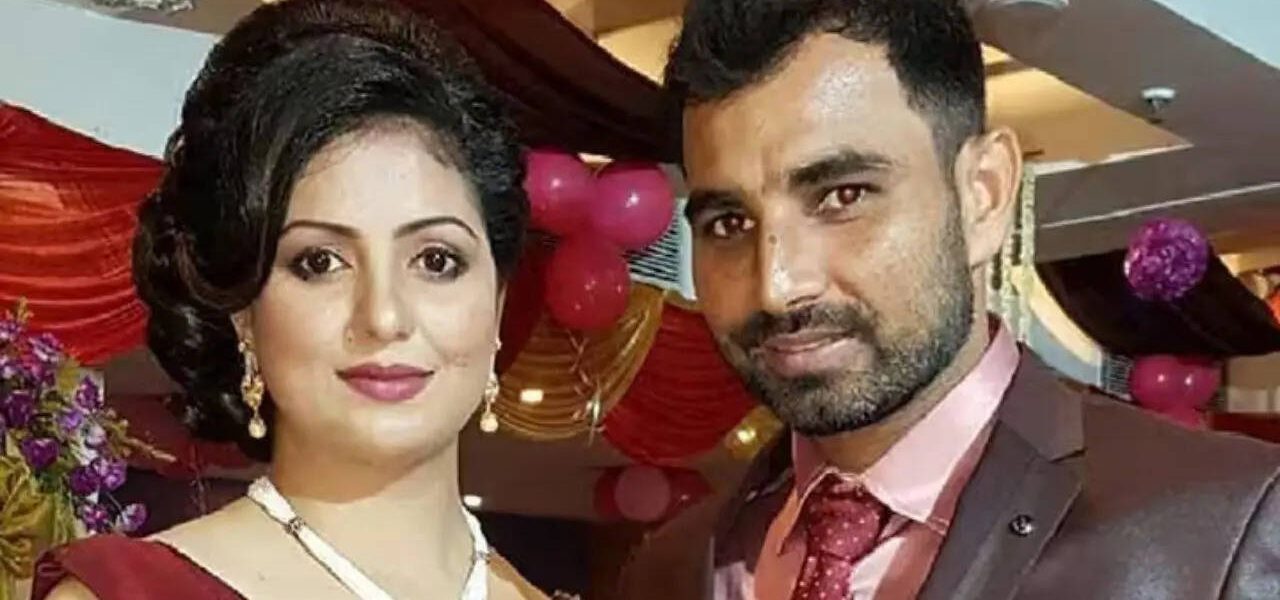
POLICY WIRE — Kolkata, India — A trifling sum, 1 lakh Indian rupees—barely more than $1,200—often barely registers as pocket change in the opulent world of international sports. Yet, for Mohammed Shami, India’s fast-bowling luminary, this modest figure has served as the latest skirmish point in a very public, decidedly ugly marital feud. The cricketing star has now been cleared by a metropolitan magistrate’s court in a cheque bounce case brought by his estranged wife, Hasin Jahan, bringing a fizzle, not a bang, to one legal front in their ongoing saga.
It wasn’t the kind of drama fans expected from Shami, whose on-field exploits — bowling ferocious Yorkers, ripping through opposition lineups — make him a household name. This particular tangle wasn’t about athletic prowess or tactical genius; it was about a mundane, if messy, financial disagreement that peeled back another layer of the private life he’d desperately tried to shield. Because, let’s be honest, few cases involving this kind of money draw headlines, unless a celebrity’s involved, especially one in cricket-obsessed India. The clearing of his name on this minor charge might offer a moment of fleeting relief, but it hardly erases the larger, more intricate web of accusations and counter-accusations that have dogged the couple for years.
The original dispute between Shami and Jahan spiraled into public view in 2018, encompassing allegations ranging from domestic violence and infidelity to attempted murder, prompting a national conversation (and a lot of voyeuristic chatter, naturally). A celebrity marriage imploding is never quiet, but in South Asia, these breakdowns often carry extra weight, especially for the women involved. There’s immense societal pressure, a spotlight that feels less like illumination — and more like an interrogation lamp. It’s a rough ride, regardless of who’s ‘right.’ And frankly, it’s a spectacle.
Dr. Aparna Dixit, a prominent legal scholar specializing in family law in Delhi, put it bluntly: “When you have a dispute involving a national icon, the monetary amount almost becomes irrelevant. It’s about optics, narrative control, and unfortunately, often about weaponizing the legal system in a very human, very messy separation.” She added, “But don’t kid yourself, the principle of accountability, even for a cheque, stands. This verdict means one specific accusation didn’t hold up in court, not that everything else disappears.” Her observation cuts right through the noise, doesn’t it?
Indeed, India sees an enormous volume of these kinds of cases. According to a 2022 report by the Supreme Court, cheque bounce cases under Section 138 of the Negotiable Instruments Act contribute a staggering 33 lakh (3.3 million) cases to the backlog across various courts nationwide. So, Shami’s case isn’t unique in its type, only in the glare it receives.
Hasin Jahan, a former model, has persistently maintained her various charges, portraying herself as a woman fighting for justice in a system not always kind to estranged wives, especially when pitted against powerful men. Her legal battle has drawn both sympathy and scorn, illustrating the deeply conflicted public attitudes towards women who challenge patriarchal norms—or simply demand their perceived due—in such high-profile circumstances. One can’t help but wonder if this verdict changes anything substantive for her, beyond this specific count.
Even though this particular check dispute has evaporated, a larger legal battle — an ongoing domestic violence case — still hangs over Shami, threatening his public image and career. The Board of Control for Cricket in India (BCCI) has, for its part, generally maintained a cautious distance, letting legal proceedings unfold without premature judgment, though they’re always attuned to public sentiment and sponsorship implications. “We trust the judicial process implicitly,” a senior BCCI official, who requested anonymity citing ongoing litigation policies, told Policy Wire. “Our players are public figures, but they’re also subject to the law of the land, just like anyone else. This latest development simplifies one aspect, but we remain vigilant about the larger picture concerning our athletes’ conduct both on and off the field. Transparency — and fairness, that’s what we aim for.” It’s a boilerplate response, but what else would you expect?
What This Means
This clearance, while technically minor, might offer Mohammed Shami some much-needed breathing room, not just legally but also in the court of public opinion, however fleeting. For a figure of his stature in a nation where cricket borders on religion, any exoneration, no matter how small, can influence brand perception and fan sentiment. From an economic standpoint, prolonged legal entanglements distract athletes, potentially impacting performance and, subsequently, their lucrative endorsements and match fees, not unlike how any public spectacle can disrupt careers, as seen with controversies elsewhere. (The Golden State’s Gritty Gambit explores this idea.) More broadly, this saga, even in its smallest legal fragments, reflects a societal conundrum: the uneasy intersection of celebrity, marital discord, and the often-protracted Indian judicial process. It spotlights the economic vulnerabilities often faced by women after high-profile separations in the region, even if the husband is a multi-millionaire, forcing them into public legal battles for sustenance. For Hasin Jahan, the fight continues. For Shami, another headline fades, but the shadow, perhaps, only slightly recedes.