


Bernalillo County Indictment Exposes Systemic Cracks in Law Enforcement Trust
POLICY WIRE — Albuquerque, N.M. — It’s a familiar headline, isn’t it? The kind that makes you wince, especially when you think about who’s supposed to be protecting whom. Because what...

POLICY WIRE — Albuquerque, N.M. — It’s a familiar headline, isn’t it? The kind that makes you wince, especially when you think about who’s supposed to be protecting whom. Because what unfolded in Bernalillo County this week isn’t just about one deputy and a particularly ugly incident; it’s a chilling echo of a larger, systemic discord playing out across America’s civic landscape—a discordant note that resonates far beyond the deserts of New Mexico, stretching to capitals thousands of miles away where questions about Western justice often linger.
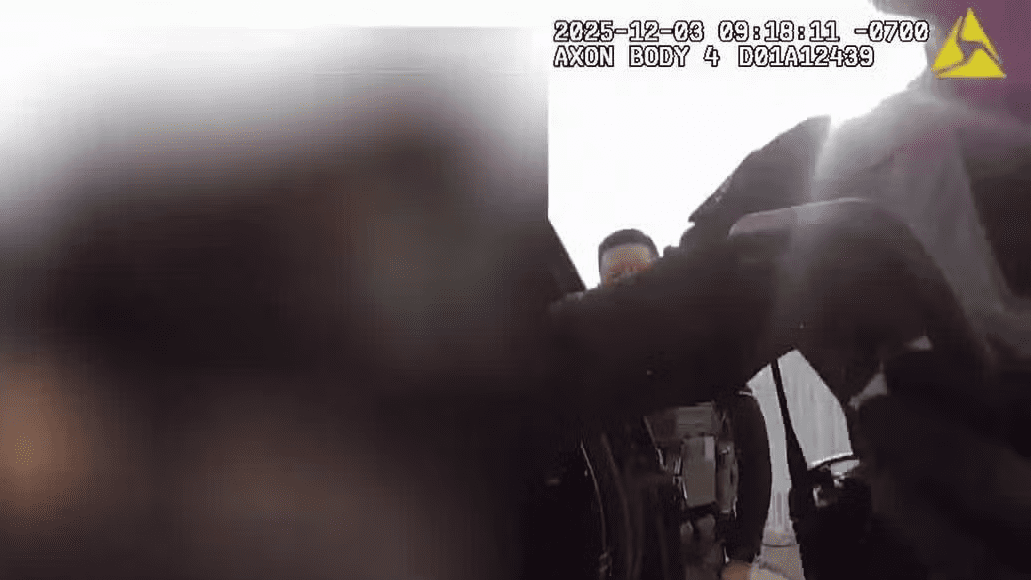
A grand jury here, acting with the kind of grave seriousness such matters demand, dropped an indictment on Deputy Bryan Lassley. Felony aggravated battery — and child abuse charges are now staring him down. This isn’t just some administrative slap on the wrist. No. We’re talking criminal charges stemming from a December 3 incident, where, according to investigators, Lassley allegedly pushed a girl and—wait for it—slammed her head into his patrol vehicle not once, but twice. After ordering her out, mind you. But here’s the rub: He was only there to snap a few photos. And things went sideways, fast. Investigators say she’d allegedly mixed it up with two deputies — and a court security officer beforehand. Doesn’t matter, does it?
Because that detail—the one about her alleged prior conduct—often gets lost when footage, or the descriptions of it, paint a stark picture of authority unhinged. And it fuels the already burning conversations about appropriate force. You know, that endless, frustrating debate we can’t quite get a handle on.
Sheriff John Allen, whose office released its own video of the event, has made pronouncements, as sheriffs often do when their departments are in the public glare. “The conduct alleged here is utterly unacceptable, unequivocally has no place in a professional law enforcement agency like ours,” Allen asserted this week, his tone firm, a note of palpable frustration detectable behind the practiced phrasing. “We’re committed to purging any element that undermines the integrity and public trust our brave men and women work tirelessly to uphold.” Sounds good on paper, doesn’t it?
But for Ms. Elena Ramirez, a prominent civil rights attorney with roots deep in New Mexico’s advocacy community, these kinds of statements—they don’t quite cut it. “We hear the words, again — and again,” Ramirez told Policy Wire, her voice sharp with a weary pragmatism. “What we need to see is fundamental reform, not just reactive clean-up. Every time a uniform steps over that line, it isn’t just a betrayal of *that* individual, it’s a crack in the public’s faith in the entire system. It costs us dearly.” She’s not wrong. Because incidents like this, they don’t happen in a vacuum. They accumulate. They fester.
The grand jury, after sifting through the evidence, including that video—you know, the kind departments often begrudgingly release—decided there was enough here. Enough probable cause. So now Lassley’s on administrative leave, without pay, per union contracts — and employment law. Internal investigation paused, of course, because the criminal case takes precedence. It’s the standard operating procedure, an agonizingly slow dance for those seeking immediate accountability. But it’s how the machine grinds.
This particular episode in Bernalillo County won’t just register as a blip on local news cycles. It contributes to a global narrative. Imagine how a case like this plays in Islamabad or Jakarta, where discussions about state authority and individual rights often pivot on observations of justice (or injustice) in countries that position themselves as moral exemplars. Stories of excessive force, particularly against vulnerable populations—they’re not just local news; they’re global fodder, shaping perceptions of Western policing and policy abroad. It adds to the complexities of diplomatic relations and global trust, in ways many here never even consider. It just does.
What This Means
The indictment of Deputy Lassley, while a single incident, carries heavyweight implications, politically and economically, far beyond its immediate legal scope. Politically, it’s an uncomfortable reminder for county and state officials navigating a renewed national debate on police accountability. And it puts Sheriff Allen in a difficult spot, balancing the need to defend his department while simultaneously affirming the serious nature of the charges against one of his own. Voters are watching. Pressure for more comprehensive police reform, independent oversight, and de-escalation training will likely intensify, giving leverage to groups like Ramirez’s. It fuels a broader discontent. But how do you reconcile ‘tough on crime’ with ‘justice for all’? That’s the age-old tightrope.
Economically, the impact might not hit with the same immediacy as, say, a major trade dispute, but it’s there. Settlements from civil lawsuits in excessive force cases can drain municipal budgets—money that could have gone to schools, infrastructure, or other public services. It’s a quiet tax on taxpayers, you could say. And let’s not forget the ripple effect on public confidence; a perception of an unjust or heavy-handed police force doesn’t exactly attract new businesses or residents. Public safety and perception of justice are economic drivers, whether we acknowledge it or not.
these indictments, while relatively rare, are watched. They matter. According to a 2021 Gallup poll, public confidence in police had dipped to 45%—the second-lowest level recorded since 1993. That’s a significant erosion of trust, an asset more precious than gold for any institution reliant on public cooperation. And every indictment for excessive force, no matter the outcome, further chips away at that already fragile foundation. But don’t expect easy answers; you won’t get ‘em. It’s a mess, really.