

Octagon on the Lawn: When Bloodsport Meets Presidential Spectacle
POLICY WIRE — WASHINGTON, D.C. — Imagine it: the hallowed expanse of the South Lawn, that verdant stretch where presidents once hosted garden parties or reviewed military parades, now a literal...

POLICY WIRE — WASHINGTON, D.C. — Imagine it: the hallowed expanse of the South Lawn, that verdant stretch where presidents once hosted garden parties or reviewed military parades, now a literal fighting pit. It ain’t your grandma’s state dinner, that’s for sure. The Ultimate Fighting Championship, often dismissed as barbaric by traditionalists—though certainly embraced by millions—has planted its flag, temporarily at least, right in the heart of American executive power. And frankly, it’s making some folks scratch their heads, others cheer, — and everybody talk. This isn’t just about two tough guys squaring off; it’s a spectacle, meticulously orchestrated.
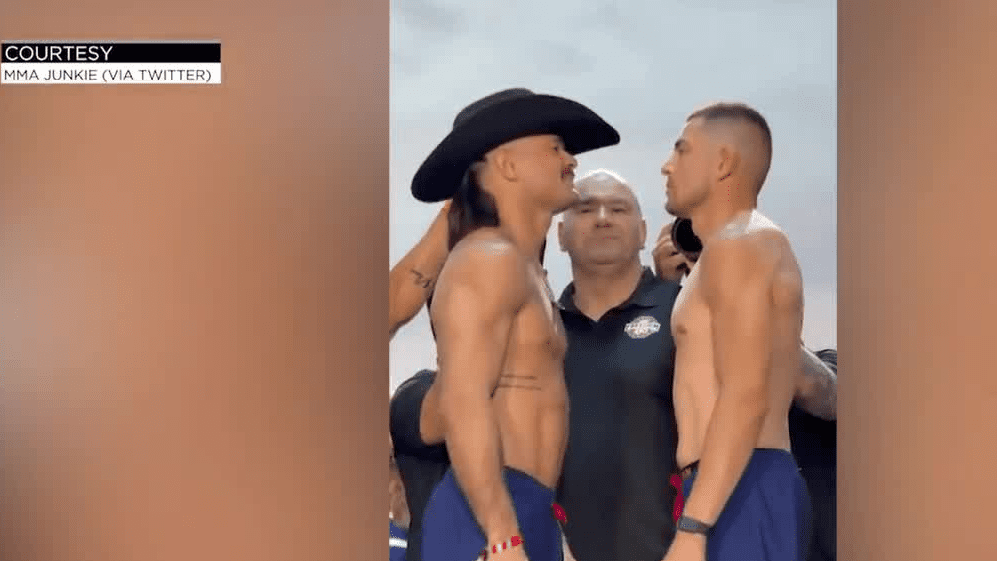
Sunday night. White House grounds. A featherweight bout featuring [QUOTE_PLACEHOLDER] against [QUOTE_PLACEHOLDER] The optics are striking. A combat sport, known for its visceral energy — and raw aggression, staged within shouting distance of the Oval Office. You’ve got to hand it to them for pulling it off. But why here, why now? Some whisper it’s a move to capture a demographic, to speak to a different slice of Americana. It certainly gets attention. What doesn’t on this stage, right?
[QUOTE_PLACEHOLDER] That’s not some rookie record, either. He has one of the longest active winning streaks in the featherweight division. A real contender. Lopes, his opponent, boasts an equally respectable [QUOTE_PLACEHOLDER] These aren’t exhibition fighters; these are high-stakes athletes, at the top of their game. But here, the stakes feel a bit different, a bit… higher perhaps. Not just for their careers, but for the symbolism. It’s hard to ignore. A sport, long considered niche, now gets prime real estate, right there, broadcast for everyone.
Because the event’s billed as [QUOTE_PLACEHOLDER] tying into the [QUOTE_PLACEHOLDER] you know there’s more at play than just punches and grappling. It’s an anniversary, a patriotic branding exercise, if you will. The fight, set for [QUOTE_PLACEHOLDER] transforms mere entertainment into something akin to a national holiday event. The casual observer might just see a brawl. But a closer look, especially for anyone accustomed to parsing political theater, reveals layers. Deep layers, even. It feels a lot like sending a message without actually saying anything, doesn’t it?
It brings to mind the grandiose spectacles that some authoritarian regimes in, say, certain corners of the Muslim world or South Asia, would stage. Not necessarily fights—though gladiator-style sports aren’t entirely new to history—but massive public rallies, carefully curated parades, or national celebrations that serve to reinforce a narrative. These events aren’t just about showing off; they’re about projection. They’re about asserting a certain image of strength, unity, or popular appeal. And they work. You put something on TV, especially with that sort of backdrop, — and people notice. They talk. And maybe, just maybe, they feel a certain way about leadership, for better or worse.
But back to Washington’s specific brand of political entertainment. [QUOTE_PLACEHOLDER] It’s scheduled viewing. Primetime. And it certainly offers a stark departure from the traditional image of presidential solemnity. Some argue this ‘populist turn’—bringing a ‘man-of-the-people’ sport to the highest office—is a calculated effort to bridge perceived divides. It’s a bit like breaking out the good china for a barbecue, a fusion of high and low culture designed to appeal across a wide spectrum of voters. But does it? And at what cost to established decorum, assuming anyone cares about decorum anymore?
And let’s be frank, the White House isn’t exactly short on entertainment options. Why invite the octagon? It speaks volumes about the current political climate—a thirst for direct engagement, perhaps a weariness with conventional diplomacy, and an inclination towards blunt, powerful imagery. It’s not just a White House; it’s an arena. An arena not just for debates or policy, but now for full-contact sports. It’s a bold move, definitely. A head-scratcher for some, sure, but a definite game-changer for political messaging in the digital age. This kind of event can generate an unbelievable amount of buzz, especially online. You don’t get this level of mainstream exposure for free, or by accident. This was planned.
What This Means
The staging of a UFC event at the White House isn’t merely an unusual scheduling decision; it’s a profound political statement, whether intentional or not. Economically, it offers unparalleled brand exposure for the UFC, a league that has strategically positioned itself as a mainstream sport with mass appeal. For the administration, it’s an undeniable bid for relatability, an effort to connect with a demographic that might feel disenfranchised by traditional political discourse. It says, ‘we see you, we like what you like.’ Think of it as a form of highly visible, high-impact cultural diplomacy, but directed inward. It echoes similar strategies employed by nations worldwide, where major sporting events are co-opted to project a desired national image—be it strength, progress, or simply mass appeal. It also raises questions about the blurring lines between entertainment, political campaigns, and governmental functions. Are we moving towards a model where the symbolic power of public institutions is increasingly leveraged for transient popularity boosts? When the spectacle itself becomes the message, substance sometimes takes a back seat. You can learn more about how public displays can shape perceptions by reading World Stage, Digital Lens: One Racist Gesture, a Cascade of Global Condemnation. This shift isn’t an isolated incident; it’s part of a broader trend of politainment that demands constant, often sensational, engagement from a public whose attention spans, analysts contend, are rapidly shrinking. And the political elite? They’ve definitely caught on to that, haven’t they?