


Counterfeit Smoke Screen: When Black Market Fags Ignite a Fiscal Firestorm
POLICY WIRE — Undisclosed City, Nation — Imagine, if you will, a plume of smoke, not from a single cigarette, but from 11,000. These weren’t your everyday fags. These were ghosts—brandishing...

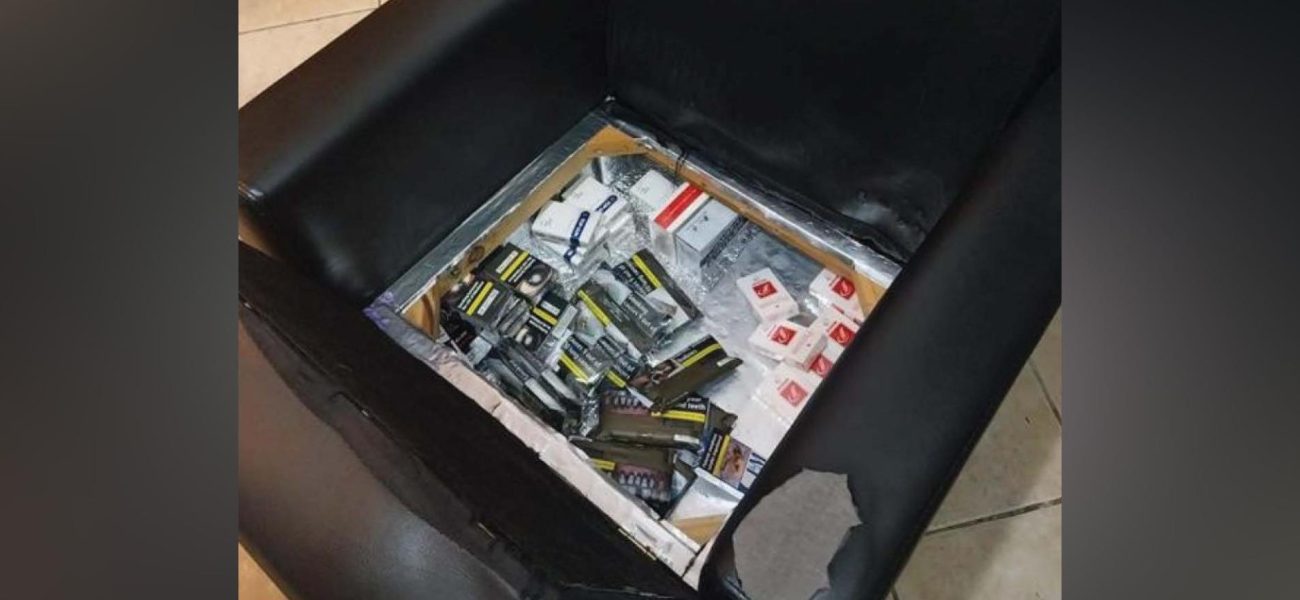
POLICY WIRE — Undisclosed City, Nation — Imagine, if you will, a plume of smoke, not from a single cigarette, but from 11,000. These weren’t your everyday fags. These were ghosts—brandishing familiar labels but birthed in the grimy shadows of illicit trade, destined for a public obliteration. The sheer volume of this recent haul, though significant to the enforcement officers who made it, merely hints at a much grander, more insidious global menace that touches everything from public health to national coffers.
It’s easy to dismiss counterfeit cigarettes as a petty crime. But it isn’t. Not when we’re talking about an entire shadow economy, bleeding billions from legitimate businesses and tax departments worldwide. Authorities recently confirmed the planned destruction of 11,000 packets of these imitation tobacco products. An admirable effort, no doubt, a whack-a-mole game in an ocean of contraband, but a critical one nonetheless. These raids—successful as they may be—only ever scratch the surface, don’t they?
“Every single fake cigarette seized is a win for public safety and the rule of law,” asserted Customs Director Anya Sharma, her voice ringing with the quiet resolve of someone who’s seen it all. “These aren’t just untaxed goods; they’re unregulated products, often containing substances you absolutely don’t want people inhaling. We’re talking lead, arsenic—stuff you find in rat poison, not your morning puff. And let’s not forget the sheer fiscal drain on our nation’s resources. It’s staggering.” She isn’t wrong. The World Health Organization (WHO) estimates the illicit tobacco trade costs governments over $40 billion annually in lost tax revenue worldwide. Think about that for a second. That’s enough to fund quite a few schools, or hospitals, or whatever infrastructure a nation desperately needs.
Because, well, it’s not just about money, is it? Dr. Farooq Khan, a public health expert who’s spent decades researching tobacco’s grim harvest, chimed in, “This isn’t just an economic issue; it’s a direct assault on our public health campaigns. We’re working hard to educate people about the dangers of smoking, then these counterfeit products, often sold cheaper, swoop in. They undercut legitimate businesses and, frankly, they just make folks sicker, faster. It’s a vicious cycle we can’t afford to ignore.”
And these issues, you know, they’re amplified in regions like South Asia. A vast, bustling market, sometimes with porous borders and long-established trade routes—both legitimate and decidedly not. From the dusty trails of Afghanistan to the teeming ports of Karachi, the flow of illicit goods is a persistent headache for policymakers. Pakistan, in particular, finds itself navigating complex regional dynamics where smuggled goods can freely cross, escaping the watchful eye of officialdom. It’s an economic pressure cooker, — and counterfeit goods, be they cigarettes or anything else, just crank up the heat. The intricate web of global illicit finance often has tentacles reaching into places you’d least expect, enabling these shadow economies to flourish.
But how do these products get made? And who’s making them? They’re often manufactured in clandestine facilities, dodging all regulations, using cheaper, often toxic materials. They’re then funnelled through elaborate distribution networks—a dark mirror of global logistics. These aren’t just small-time operations, you understand; we’re talking organized crime syndicates. They’ve got resources, they’ve got reach.
What This Means
The destruction of 11,000 counterfeit cigarette packets, while a symbolic victory, underscores a systemic vulnerability in economies worldwide, especially those in developing regions. Politically, governments are under immense pressure to show they can control their borders and protect their citizens’ health. Failure to do so erodes public trust and deprives the state of much-needed revenue that could be used for social services or infrastructure development. Economically, the prevalence of fake products destabilizes legal markets, hurts brand reputation for legitimate companies, and fosters unfair competition. Small businesses, reliant on established supply chains, often bear the brunt, facing declining sales against artificially cheap contraband. For Pakistan and its neighbors, the challenge is compounded by regional instability and the sheer scale of cross-border trade, legitimate or otherwise. Policy responses, therefore, can’t just be about more seizures. They’ve got to involve regional cooperation, technology to track supply chains, and perhaps even consumer education to differentiate genuine products from hazardous fakes. It’s a long game, one that requires more than just raiding a warehouse. It needs strategic foresight.
But for today, at least, 11,000 fewer fakes won’t make it onto the street. And that’s something. But for how long? The complex tapestry of international relations and trade often plays out in these minute skirmishes, shaping markets and livelihoods in ways we rarely appreciate at a glance. It’s never just about a cigarette.