

Legal Minefield: Albuquerque Sex Abuse Case Faces 2027 Trial Amid Privilege Storm
POLICY WIRE — Albuquerque, New Mexico — A chilling accusation of sexual abuse and paid encounters involving a former teacher here won’t see a courtroom door truly open until 2027. That’s...

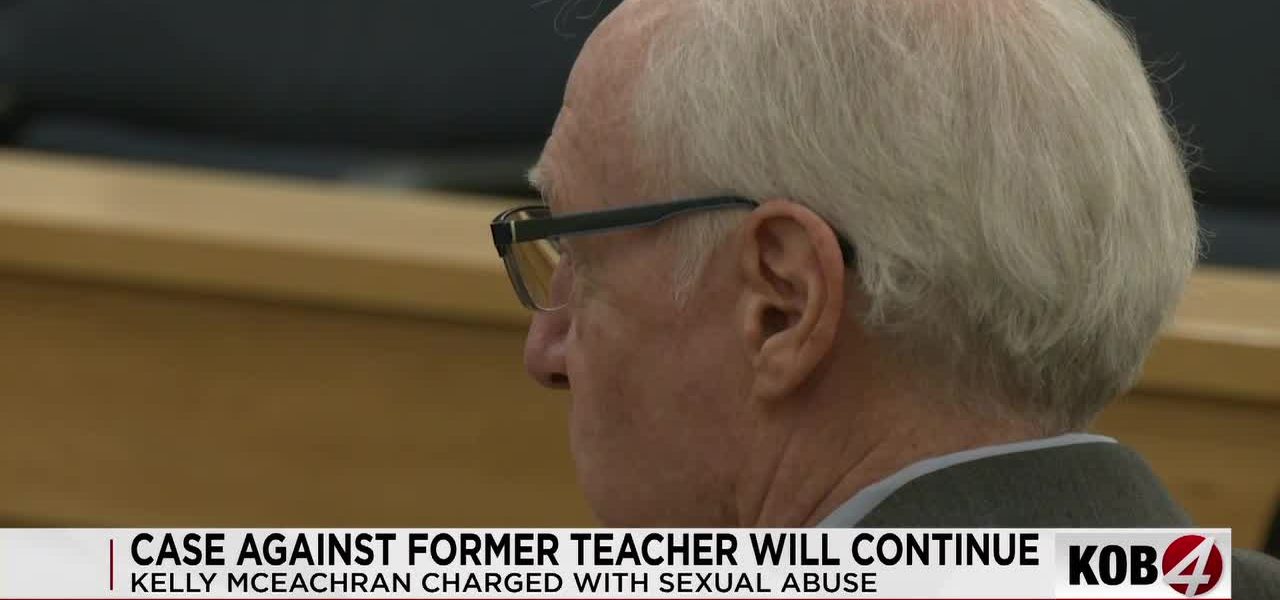
POLICY WIRE — Albuquerque, New Mexico — A chilling accusation of sexual abuse and paid encounters involving a former teacher here won’t see a courtroom door truly open until 2027. That’s a lifetime in the public’s impatient view of justice, yet it’s exactly the protracted timeline now set in stone for Kelly McEachran, the accused ex-educator from Hope Christian School. And it’s not the sordid nature of the charges, but the procedural chaos swirling around them, that’s got the legal eagles genuinely agitated.
It’s an allegation that rips at the very fabric of fair trial rights: that Albuquerque police, while hunting for evidence, rummaged through confidential conversations between a man and his lawyer. Not a mistake, but a potentially devastating misstep that could compromise an entire prosecution. Christopher Dodd, McEachran’s defense attorney, didn’t pull any punches, arguing a motion for outright dismissal—a rarely granted, heavy-handed remedy for prosecutorial overreach. But the judge, ever the pragmatist, wasn’t having it, effectively punting the deeper constitutional battle down the field for later adjudication.
Dodd wasn’t just throwing legal shade; he laid out a clear narrative of concern. A technician from the Albuquerque Police Department (APD), he claims, apparently disregarded the strict bounds of a search warrant. Instead of sticking to prescribed data, they accessed private attorney-client exchanges on McEachran’s phone. “There’s really nothing short of dismissal that would remedy the problems that APD brought on itself,” Dodd stated, his voice likely tight with exasperation. He painted a grim picture: how do you unknow what you’ve seen? And more pressingly, “What did they do with that information? What did they do with that information in terms of directing their investigation, right? Did they take investigative steps because of those communications? And that’s something we can’t know.” It’s the unanswerable questions that gnaw, aren’t they?
But the New Mexico Department of Justice (NMDOJ), which now controls the prosecution, holds a decidedly different perspective. They conceded the point about the technician—that person won’t testify, and certain tainted evidence, they promise, will stay locked away, suppressed. A neat legal fix, they reckon, to what Dodd views as an existential breach. Prosecutor Jenn Vickery put it rather plainly: “You know, he won’t be asked to testify. I do think that dismissal is a very extreme remedy.” She added, as if speaking to the naive, “Evidence is suppressed all the time that officers have viewed. They’re just not allowed to testify about it at trial.” A pragmatic compromise, or a bandage on a gaping wound, depending on your chair in the courtroom.
This isn’t just about one case, either. It’s a recurring pattern, a global struggle even, for accountability within law enforcement agencies and for the sanctity of legal processes. From bustling courthouses in New York to burgeoning legal systems in Lahore, questions around the improper collection of evidence and the violation of established rights persistently hound public trust. In nations striving to solidify their rule of law, like Pakistan with its ongoing efforts to reform judicial oversight, such accusations from local authorities often fuel widespread public cynicism and debates about due process.
The Albuquerque police, when pressed, issued a boilerplate response about their standard protocols, suggesting they’ve chatted with the District Attorney’s office and employ a “Special Master” to scrutinize potentially privileged info. Fine words, but hardly a salve for Dodd’s deep-seated anxieties. Yet, the NMDOJ’s Chief of Criminal Affairs, John Duran, remains firm. “I would note that the court disagreed with that assessment, and they feel a fair trial can be had,” he explained, echoing the judge’s sentiment. And, for the record, he made sure to throw in the obligatory assurance: “And we’re obligated to ensure that, you know, the defendant’s rights are adhered to and that he gets his day in court and due process.”
📄 POLICY WIRE WHITEPAPER PUBLISHED: PAKISTAN'S NATIONAL SECURITY POLICY PRIORITIES
👉 READ BY CLICKING HEREThe delay to 2027—four years after this incident exploded—highlights the sheer grinding pace of American justice, especially when tangled up in complex allegations of police procedural missteps and the intricacies of evidentiary rules. But then again, a 2023 study by the Innocence Project revealed that official misconduct, which includes issues like improper evidence handling, was a contributing factor in more than half of all wrongful convictions eventually overturned by DNA evidence. So, while extreme, Dodd’s call for dismissal doesn’t exactly come from left field. It’s a serious issue, reflecting the persistent tension between catching criminals and protecting civil liberties—a conflict that routinely sparks high-level debate.
What This Means
This judicial denial doesn’t exactly vindicate the Albuquerque Police Department; it merely kicks the proverbial can down the long, dusty road of legal procedure. For prosecutors, it’s a temporary win, allowing them to keep serious charges alive. But it means an even more arduous path to conviction. The suppression of evidence and the sideline benching of a key witness (the police technician) could handcuff their case, forcing them to build their argument on a less complete foundation than they might have desired.
For the defense, while their dismissal motion failed, they’ve successfully laid groundwork for potential appeals. The specter of tainted evidence and violated attorney-client privilege—a bedrock of the justice system—will loom large over the trial. If McEachran is eventually convicted, any slight procedural misstep could be magnified into a legitimate cause for reversal by an appellate court. This long timeline also works both ways; memories fade, witnesses become harder to locate, and public attention drifts, which can complicate the already delicate balance of securing justice for victims while safeguarding the rights of the accused. In the end, this procedural wrestling match speaks volumes about the delicate and often agonizingly slow machinery of the legal system, where the rules of engagement are as hotly contested as the facts themselves.