


Concrete Assurance: NYC Officials Tread Fine Line Amid Structural Concerns
POLICY WIRE — New York City, USA — Not every urban tremor finds its roots in geological shifts. Sometimes, the shivers run through the collective consciousness, sparked by mere pronouncements. New...

POLICY WIRE — New York City, USA — Not every urban tremor finds its roots in geological shifts. Sometimes, the shivers run through the collective consciousness, sparked by mere pronouncements. New York, a city that practically invented the skyscraper, isn’t immune to these architectural anxieties—a phenomenon far more common in less developed parts of the world, ironically enough. And that’s why it’s interesting when city brass steps up to calmly declare everything’s fine.
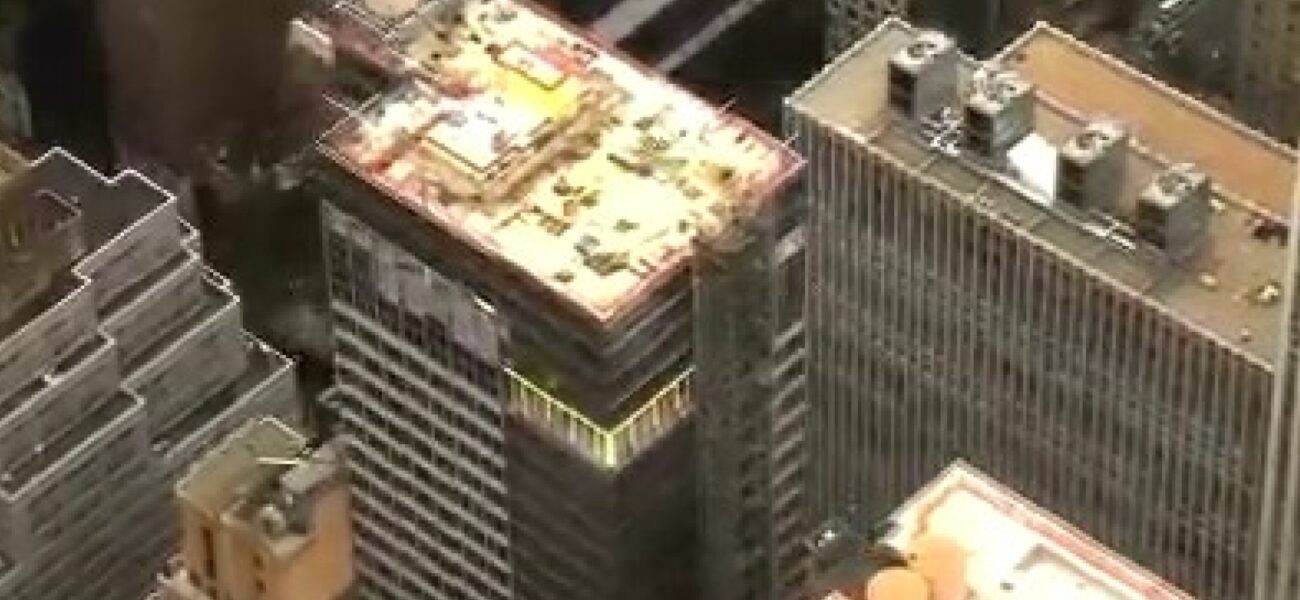
It seems that New York City officials are indeed "confident" that a high-rise building is stable. Just like that, plain and simple. No fanfare, no dramatic press conference from atop a precarious ledge—just a cool, collected assurance lobbed into the buzzing metropolis. But what’s really lurking beneath that veneer of composure? These statements don’t emerge from a vacuum; they usually follow an eddy of doubt, a whispered concern, or perhaps, a full-blown inspection that residents didn’t even know was underway. [QUOTE_PLACEHOLDER]
Because let’s face it, public confidence in urban infrastructure—especially the vertical kind—isn’t something to be taken for granted. In cities across the globe, the constant pressure of growth, the relentless march of construction, and the slow, inevitable creep of decay conspire against even the most robust designs. We’re talking millions of pounds of steel and concrete, stretching skyward, subjected to untold stresses from wind, weather, and—let’s not forget—the sheer weight of human ambition. It’s a delicate balance, this perpetual engineering gamble.
Officials didn’t specify the building’s address (always a telling omission, don’t you think?) nor what precisely prompted their collective confidence. Was it a routine inspection turned up something ambiguous? A cracked beam, a bulging wall, a creaking audible to some nervous resident? You know, the kind of things that turn ordinary high-rises into public spectacles. Regardless, their willingness to go on record—even in such laconic fashion—hints at underlying murmurs they felt needed silencing. They’re hoping a simple declaration is enough to keep everyone from, well, looking up too closely.
The situation carries a familiar ring to anyone tracking urban development beyond the glitz of Manhattan. Consider, for instance, cities like Karachi or Lahore in Pakistan. They’ve witnessed their own explosive growth, a relentless expansion often outpacing regulatory oversight. The constant pressure for housing, for commercial space, leads to structures rising quickly, sometimes cheaply, and often with less transparent inspection processes than you’d find in New York. And it’s not just Pakistan; throughout South Asia and the broader Muslim world, urban centers grapple with maintaining modern, secure infrastructure against the backdrop of rapid, sometimes uncontrolled, expansion. When a building falters there—and they regrettably do—it often signifies a far more tragic failure of the social contract. In Karachi alone, authorities reported at least 13 building collapses resulting in dozens of deaths between 2020 and 2021. Those aren’t just statistics; they’re catastrophic ruptures in community trust. You just don’t hear much about officials declaring their confidence in those contexts, do you?
The stakes are astronomical, whether it’s the financial capital of the world or a burgeoning megacity in South Asia. Real estate, livelihoods, even civic identity—it’s all intertwined with the integrity of these mammoth structures. And the public’s psychological state often hinges on these understated bureaucratic reassurances. "Confident" is a strong word, but also one easily uttered. And easily forgotten, should the concrete start to crumble. But the fact it was needed suggests unease, doesn’t it? Because normally, things are just, you know, stable.
📄 POLICY WIRE WHITEPAPER PUBLISHED: PAKISTAN'S NATIONAL SECURITY POLICY PRIORITIES
👉 READ BY CLICKING HEREWhat This Means
The quiet assurance from New York City officials about a building’s stability, while seemingly innocuous, speaks volumes about the precarious dance between governance, commerce, and public perception in a high-density urban environment. Politically, this kind of statement is a calculated gambit. Should nothing untoward occur, it bolsters the perception of effective municipal oversight — and proactive governance. If, however, any structural issue were to surface after such a declaration, the political fallout for the administration—and specifically for any department chief or mayoral aide who signed off on the pronouncement—would be swift and brutal. It implies they’re hedging their bets, playing the public relations long game while potentially managing private technical concerns.
Economically, confidence is currency. For New York, a city where square footage commands astronomical prices, even a whiff of structural instability can send jitters through the real estate market. Property values can stagnate, insurance premiums might climb, — and investor sentiment for new construction could sour. This isn’t just about one building; it’s about preserving the entire edifice of perceived urban invincibility. For developers and landlords, any official statement—especially one mitigating potential panic—is a sigh of relief. It’s a tacit confirmation that their billion-dollar assets aren’t teetering on the edge of a headlines. But if citizens believe their high-rises are actually being questioned, well, that’s bad for business. Because people ultimately pay top dollar for peace of mind, not just panoramic views. It’s really that simple.