


Chelsea’s Unending Hunt: Fabregas Link Exposes Stamford Bridge’s Managerial Whirlwind
POLICY WIRE — London, UK — For a club that fancies itself on elite performance, the view from Stamford Bridge often resembles a spinning top, especially when it comes to the dugout. Not three months...

POLICY WIRE — London, UK — For a club that fancies itself on elite performance, the view from Stamford Bridge often resembles a spinning top, especially when it comes to the dugout. Not three months after handing Liam Rosenior a six-and-a-half-year contract, Chelsea found itself once more in the all-too-familiar, unenviable quagmire of searching for a new head coach.
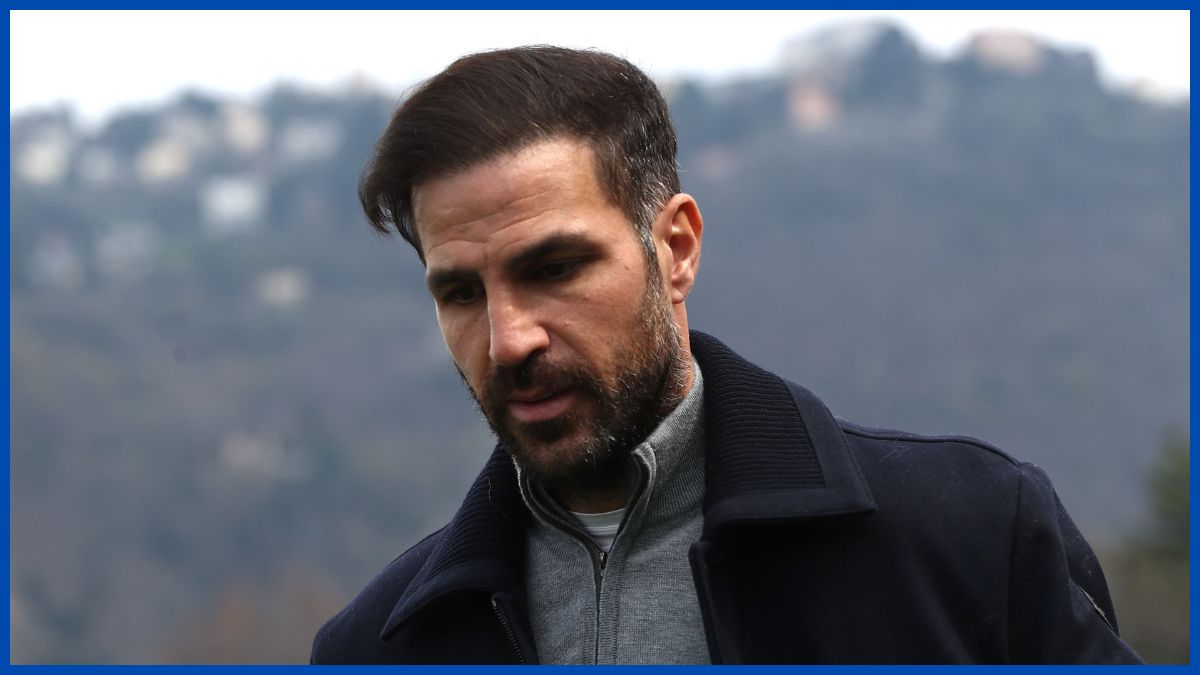
It’s a cycle that feels almost designed for chaos, and it’s against this backdrop that former midfield maestro Cesc Fabregas now finds himself mentioned as a potential saviour. Yet, his current club, Serie A’s Como, appears to regard the situation with a remarkably calm, almost philosophical detachment. What a world, eh?
“If that makes him happy, that’s him,” Como President Mirwan Suwarso told City AM, discussing the prospect of Fabregas departing for London. “You want your employees to stay with you for as long as possible, but at the end of the day, we don’t own him, and he’s free to go to Chelsea if he wishes.” Simple. As. That.
That’s a consequential divergence from the usual chest-thumping and contractual wrangling that often attend upon such high-profile managerial whispers. Suwarso, a prominent Indonesian businessman with deep roots in Southeast Asia, brings a perspective to European football ownership that subtly contrasts with the often cutthroat, short-term vision prevalent in the continent’s major leagues — a vision, one might argue, that’s driven Chelsea into this very ditch.
His patience with Fabregas, who has guided Como to fifth place in Serie A and a strong contention for European football, lays bare much. It hints at a cultural approach to talent management that elevates a more organic, sustainable growth, rather than the instant gratification insisted upon by many top clubs. For many fans across Indonesia, Malaysia, or even Pakistan, this long-term investment in players and managers, mirroring traditional business philosophies common in the region, makes Como a surprisingly compelling story amidst Europe’s elite. They’re watching. They’re noticing the difference.
Back in West London, however, stability remains an elusive dream. Rosenior’s precipitous departure marks the second coaching change this season, following Enzo Maresca’s exit in January. The math is stark: since the Todd Boehly-led consortium acquired the club in 2022, Chelsea has now gone through four permanent managers and two interims, a stark figure highlighting unprecedented instability for a club of its stature. And we’re only just getting started, it seems.
Few, if any, other elite clubs endure such a relentless churn. But doesn’t that matter, deeply?
The decision to sack Rosenior, less than four months into a six-and-a-half-year deal, underlines a leadership vacuum that seems to elevate immediate, often unrealistic, returns over strategic continuity. Interim charge now falls to Calum McFarlane for the season’s remainder, while the board embarks on yet another search — because, let’s be honest, that’s what they do best.
Not everyone believes a quick fix is the answer. “We understand the perception, and frankly, some of it’s deserved,” stated a senior Chelsea board member, requesting anonymity to speak freely about the club’s current fix. “But our focus isn’t just on the next match; it’s about building a sustainable, winning culture. That takes patience, and yes, sometimes tough decisions, but we’re committed to getting it right this time.” One wonders if the revolving door truly reflects that commitment.
Other names, such as Andoni Iraola, also flit through the grapevine. So the question isn’t just *who* they’ll pick, it’s *how* they’ll pick, and whether this time, they’ll actually commit to their choice. The club reportedly plans to take its sweet time, a sentiment often voiced but rarely adhered to (you’ve heard that before, haven’t you?).
Related: Guardiola’s High-Stakes Wager: Rodri’s Absence Tests City’s Quadruple Ambitions
What This Means
This relentless coaching churn at Chelsea isn’t merely an internal club issue; it’s a symptom of a broader, more consequential alteration in elite football economics and strategy. Clubs, ever more bankrolled by global capital with short-term return expectations, often conflate leadership turnover for actual strategic overhaul. The result? A cycle of hiring, spending, underperforming, — and firing, leaving both players and fans adrift. It’s truly a sight to behold.
Economically, this is incredibly inefficient. Each managerial change brings new transfer demands, different tactical systems, and often, significant severance packages. For a club like Chelsea, which has spent lavishly in recent windows, this instability erodes asset value and complicates financial fair play compliance. It’s a pricey habit, plain and simple.
Politically, within the footballing world, Chelsea‘s approach telegraphs a deficit of clear vision, making it a less attractive destination for top-tier managers who value project longevity. Fabregas, for all his club legend status, would be stepping into a maelstrom — a veritable whirlpool of expectations and fleeting tenures — potentially sacrificing the steady progress he’s making at Como for an environment where the clock starts ticking the moment he signs the contract.
Diplomatically, the club risks alienating a global fanbase that, while loyal, also craves consistent success and a recognizable identity. The magnetism of the Premier League remains potent across Asia and beyond, but even that can be strained by ceaseless chaos. Suwarso’s comments highlight this contrast: a club fostering growth versus one consuming managers. It’s quite a study in contrasts, isn’t it?
“Chelsea isn’t just looking for a coach; they’re searching for an identity, a philosophy that can withstand the unavoidable strains of top-flight football,” observes football analyst Dr. Evelyn Reed from the University of Manchester’s Sport Management program. “Until they truly commit to that long-term vision, regardless of who’s in charge, they’ll likely continue this expensive, soul-crushing samba. The next manager, be it Fabregas or anyone else, will inherit a monumental task that extends far beyond tactical formations on the pitch.”