


Canada’s ‘Free’ Wilderness Gamble: A Strategic Play, or Just a Budgetary Burden?
POLICY WIRE — Ottawa, Canada — Somewhere between the craggy Pacific coastline and the ice-gouged Atlantic shores, sprawls a dominion so immense, its emptiness alone can feel like an existential...

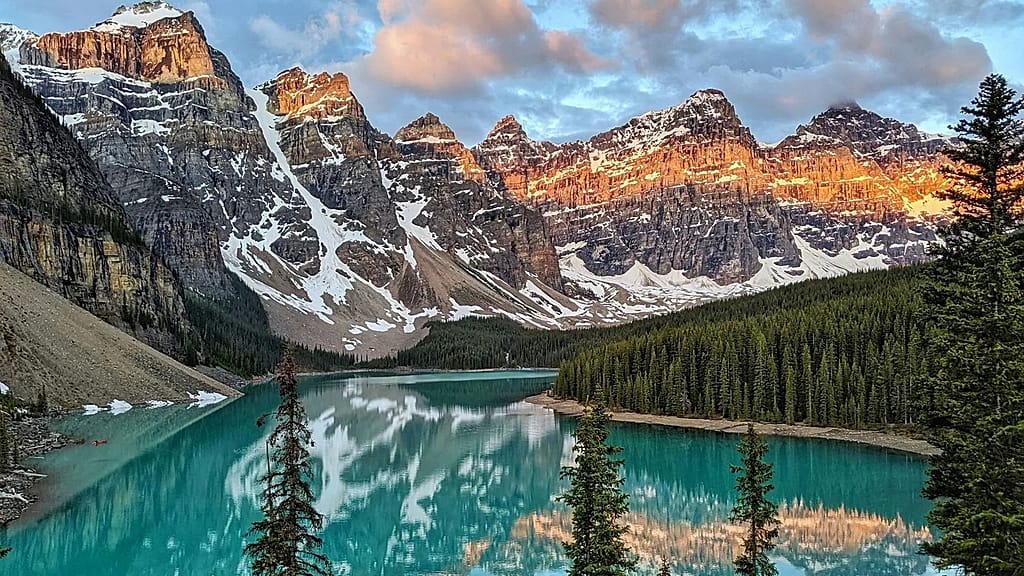
POLICY WIRE — Ottawa, Canada — Somewhere between the craggy Pacific coastline and the ice-gouged Atlantic shores, sprawls a dominion so immense, its emptiness alone can feel like an existential challenge. This summer, that vastness—or at least carefully curated swathes of it—comes with a novel price tag: none. Canada’s government has thrown open the gates to its national parks, offering complimentary access for the next few months. A generous gesture, you might think. But few things in Ottawa, least of all a national initiative draped in patriotic naturalism, are ever truly free.
It’s not just a benign invitation to commune with nature. Oh no, this particular overture carries the scent of political calculus, of economic jostling, and perhaps, a convenient distraction. The decision to waive entry fees across a network of 48 national parks and marine conservation areas feels less like an unvarnished gift and more like a carefully calibrated political move in a summer already fraught with rising living costs and geopolitical headaches. Canadians, it seems, are being encouraged to escape their domestic woes into the grandeur of their own backyard, on the taxpayers’ dime, naturally.
Steven Guilbeault, the Minister of Environment and Climate Change, articulated the official line with characteristic government-issue earnestness. “We want every Canadian to experience the unparalleled beauty and healing power of our natural heritage, especially after these challenging years,” Guilbeault stated in a recent press briefing, (a statement issued not from a rugged mountain peak, mind you, but from an air-conditioned room in the capital). “It’s about access, — and it’s about rekindling our shared connection to this land. We believe this investment in wellness will pay dividends.”
But investment, as any accountant will tell you, implies a cost. And when that cost is ostensibly zero for the user, it means someone else is picking up the tab. Conservative Opposition MP Pierre Poilievre, ever quick to seize on what he frames as fiscal profligacy, didn’t hold back. “This isn’t free access; it’s an unfunded liability packaged as a photo op,” Poilievre shot back, not quite in a parliament session, but in an online commentary. “While parks staff scramble, while infrastructure creaks under expected pressure, this government expects Canadians to believe they’re getting something for nothing. It’s a classic shell game to divert attention from the actual economic problems facing families.”
And therein lies the rub. Parks Canada typically generates about 80 million Canadian dollars annually from entry fees alone, according to its 2023 financial reports. While that’s a relatively small sum in the grand scheme of the federal budget, it’s not insignificant for park maintenance and services. The implied subsidy, however, could be seen as an investment in local economies around park perimeters, from hotel operators in Banff to small-town diners near Fundy. Because, let’s be honest, few people drive hundreds of kilometers to simply gaze at a lake; they’ll buy gas, grab a bite, maybe even a souvenir moose magnet.
📄 POLICY WIRE WHITEPAPER PUBLISHED: PAKISTAN'S NATIONAL SECURITY POLICY PRIORITIES
👉 READ BY CLICKING HEREFor Canada’s remarkably diverse population, a significant portion of which comprises diaspora communities from South Asia and the wider Muslim world, this initiative carries a particular resonance. Many first- and second-generation Canadians, especially those who’ve settled in sprawling urban centres like Toronto or Vancouver, may not have grown up with easy access to, or even an understanding of, the Canadian wilderness aesthetic. It’s often an expensive, specialized undertaking. This removal of the financial barrier, therefore, might democratize nature in a way previous fee structures didn’t quite manage. But will these new visitors be equipped or even interested in the traditional, rugged Canadian park experience, or are they simply seeking affordable, family-friendly recreation spots with green spaces? It’s a nuanced cultural shift, subtle, yet very real.
What This Means
This ‘free park’ summer, for all its bucolic PR, is essentially a multi-faceted gamble. Politically, it’s a quick win, generating goodwill without an immediate, obvious drain on individual pockets—the classic feel-good story that allows Ottawa to momentarily appear beneficent. Economically, the move aims to funnel tourist dollars into hard-hit regions, essentially subsidizing an industry through indirect means, trading direct fee revenue for what they hope will be a greater injection of spending power into park-adjacent businesses. But there’s a downside: infrastructure in many of these parks is already aging, and a surge in visitation without a corresponding boost in operational funding could exacerbate wear and tear. the true measure of success isn’t just headcounts; it’s about how this access influences environmental stewardship and cultural integration. It’s a short-term balm for deeper issues, a small gesture in the face of larger challenges, to be sure. This summer will tell if Canada truly invested in nature’s appeal, or simply pushed the maintenance bill a little further down the road, hoping the fresh air makes everyone forget about it.