

Slot Machines and Sovereignty: New Mexico Pueblo Charts Its Own Course, Two Decades On
POLICY WIRE — ALBUQUERQUE, N.M. — The insistent, often hypnotic chimes of slot machines, the murmured conversations of card players, the clink of glasses—they all form the symphony of Sandia Resort...

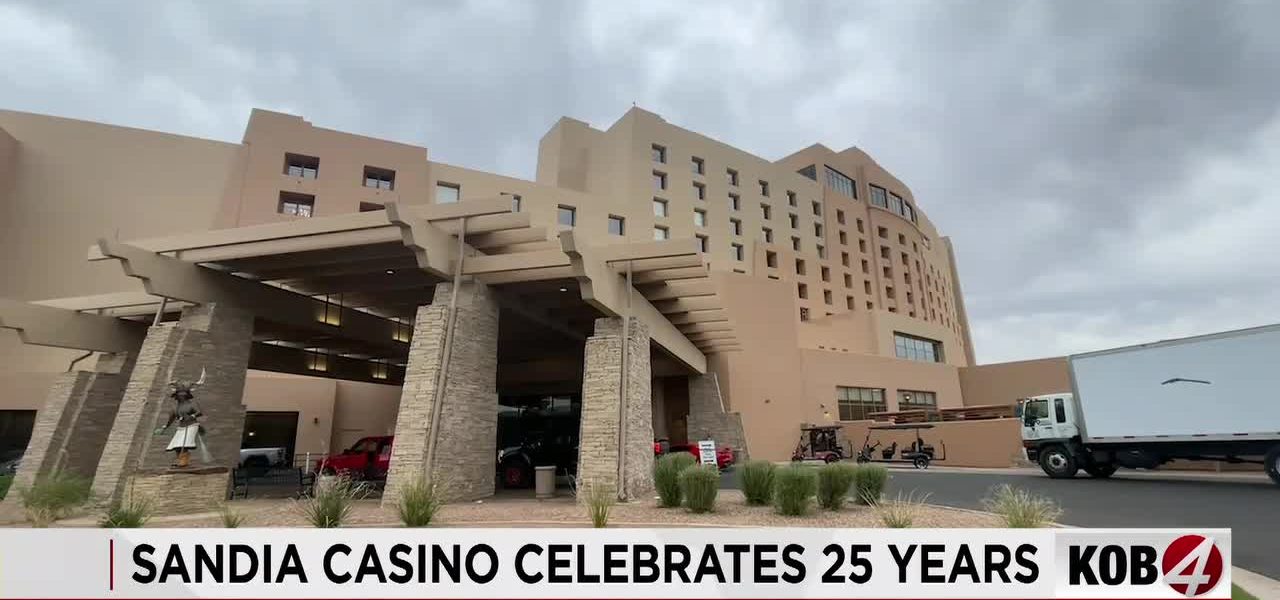
POLICY WIRE — ALBUQUERQUE, N.M. — The insistent, often hypnotic chimes of slot machines, the murmured conversations of card players, the clink of glasses—they all form the symphony of Sandia Resort and Casino, a place now celebrating twenty-five years since its modern incarnation flickered to life. But this isn’t just about a sprawling gambling palace hitting a milestone. Not really. It’s a story baked deep into generations of self-determination, a stark lesson in indigenous economic might wrested from long odds.
For Sandia Pueblo, that sleek, 140,000-square-foot facility, with its 1,900-plus slot machines, is merely the latest, most visible iteration of a nearly half-century saga. A quarter-century for the current building, sure, but nearly 42 years since Sandia Indian Bingo first opened its doors—a defiant precursor. What’s often lost in the glittering veneer of tribal casinos is the gritty, often political, struggle underpinning their existence. It’s not just business; it’s a statement.
And, make no mistake, it’s a successful statement. Gov. Stuart Paisano of Sandia Pueblo articulated this bedrock reality during recent anniversary festivities, noting, “It began almost 42 years ago with the opening of Sandia Indian Bingo, and then graduating to the big tent that a lot of people do have memories of, and then to the current location that we’re in.” His words carry the weight of inherited ambition. Because it hasn’t been a straightforward ride; the legal landscape of tribal gaming was once a Wild West, fraught with contention from states and often-skeptical federal overseers. Yet the transformation from humble bingo hall to full-blown resort, replete with a hotel (2005), golf pavilion, and multi-story parking (2014), represents a calculated, sustained gambit.
“They had a dream,” Paisano observed of previous tribal councils, “and that dream was part of providing quality services like health care, education, housing, and infrastructure improvements to our small community.” That’s the real currency here: schools built, clinics funded, elders cared for, all without federal hand-holding or state appropriations. It’s what many struggling governments, particularly in the Global South, constantly strive for—economic self-sufficiency without strings attached. For many in Pakistan or elsewhere in the Muslim world, nations perpetually navigating the choppy waters of development aid and foreign investment, the Pueblo’s example of indigenous-led resource generation might just offer a provocative case study.
Secretary Sarah Chavez, New Mexico’s Deputy Secretary for Economic Development, offered a perspective echoed across the region. “We’re witnessing a profound economic engine here, one born from tenacity — and community vision,” she told Policy Wire. “It isn’t just about jobs, although those are plentiful; it’s about a sovereign people demonstrating how targeted enterprise can create sustained, foundational prosperity. Other communities—even sovereign states facing similar developmental challenges—could study this playbook.”
📄 POLICY WIRE WHITEPAPER PUBLISHED: PAKISTAN'S NATIONAL SECURITY POLICY PRIORITIES
👉 READ BY CLICKING HEREBut don’t let the celebration fool you into thinking it’s all smooth sailing. Expansion costs, market shifts, the ever-present competition for entertainment dollars—it’s a brutal industry. And still, they’re looking ahead. Paisano teased “additional expansions that will hopefully be announced in the future,” suggesting an unyielding push forward. It seems the dream keeps getting bigger. Consider the raw numbers: the National Indian Gaming Commission reported tribal gaming operations nationwide generated over $43 billion in revenue in 2023. That’s a staggering sum, one that positions tribal enterprises as major players, mirroring the strategic financial plays seen even in professional sports or corporate acquisitions. It’s not unlike Jakarta balancing its nickel resources against Beijing’s investment jitters; it’s about leverage.
What This Means
The Sandia Pueblo story isn’t just local news; it’s a textbook case in modern Indigenous nation-building and resource management. Politically, it reasserts tribal sovereignty in tangible economic terms, forcing state and federal governments to engage with Native nations as powerful, self-sustaining entities rather than mere dependents. Economically, the casino, and the broader hospitality empire it underpins, pours millions into vital social services that uplift the entire community, providing an alternative to traditional, often unreliable, funding streams. This level of self-generated wealth offers the Pueblo a greater degree of control over its own destiny—culturally, socially, and economically. It sets a precedent, one that whispers to other Indigenous communities around the globe: true empowerment often comes down to who controls the purse strings, and the vision to fill them.