


Pedaling Against Policy Inertia: Albuquerque’s ‘Bike Day’ A Small Gesture Against Grand Gridlock
POLICY WIRE — Albuquerque, N.M. — It’s a familiar urban chorus, isn’t it? The perpetual drone of internal combustion engines, the subtle, acrid scent of exhaust lingering like an unwelcome guest. For...

POLICY WIRE — Albuquerque, N.M. — It’s a familiar urban chorus, isn’t it? The perpetual drone of internal combustion engines, the subtle, acrid scent of exhaust lingering like an unwelcome guest. For anyone navigating the concrete canyons of modern America—or, frankly, most anywhere else—the daily ballet of bumper-to-bumper despair is a given. And here we’re, facing another “Bike to Work Day.”
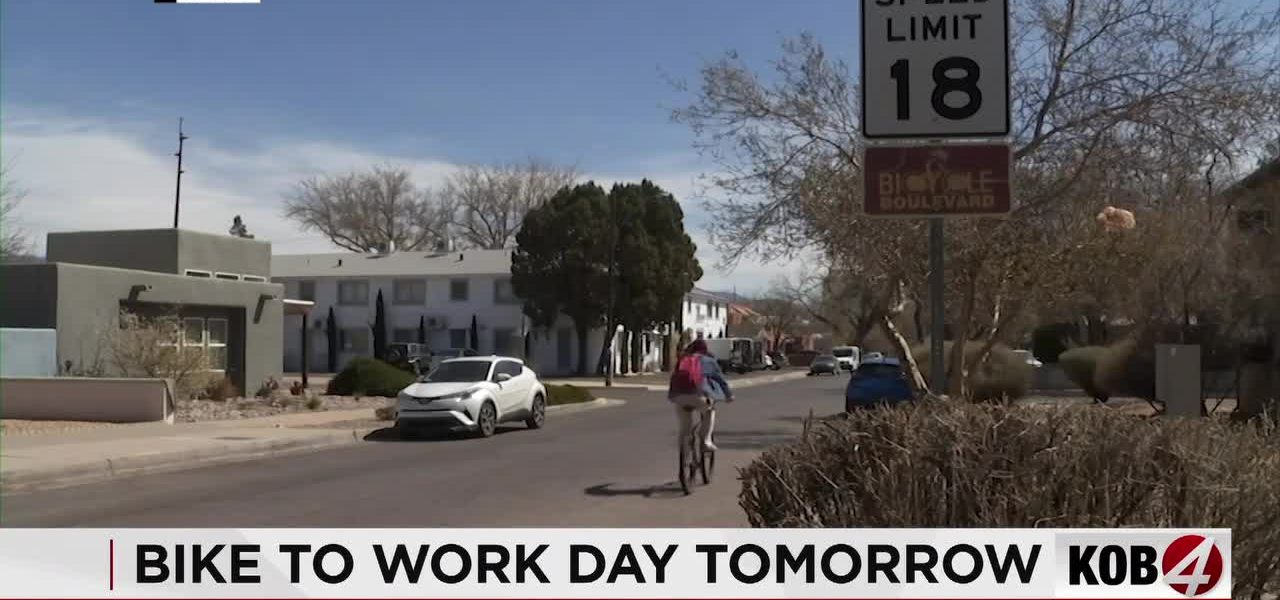
In Albuquerque, they’re trotting out eight pop-up events this Thursday, offering trail information and what’s euphemistically called “bike-related swag.” It’s meant to be a celebratory nudge, a gentle push toward healthier habits, a lighter footprint. Mayor Tim Keller certainly sells it as more than just a day out. “Every pedal stroke here in Albuquerque is a step towards a healthier, greener future for our kids,” Keller recently declared, sounding appropriately earnest. “We’re investing in alternatives, building community—it’s more than just a bike ride; it’s civic engagement, folks.” You’ve got to appreciate the enthusiasm, even if the wheels are still turning glacially on real systemic change.
Because let’s be candid: a scattering of pop-up booths doesn’t exactly dismantle a century of car-centric infrastructure, does it? Dr. Zara Salim, director of the Albuquerque Metropolitan Planning Organization, doesn’t mince words on that front. “It’s a noble effort, yes, and good for public awareness,” Salim confided in a recent interview, her tone pragmatic, a touch world-weary. “But let’s be frank: you don’t dismantle decades of car-centric infrastructure with eight pop-up stalls. We’re still years, maybe decades, from anything truly transformative. The scale of the challenge? It’s just immense.” And she isn’t wrong. This isn’t a quaint little community picnic; it’s a systemic wrestling match.
It’s a peculiar thing, this Western notion of a “Bike to Work Day.” In many parts of the world, particularly across South Asia—think Karachi’s snarling thoroughfares or Lahore’s perpetually jammed arteries—a bicycle isn’t some aspirational lifestyle choice. It’s not a healthy diversion or a feel-good eco-statement. It’s simply how you get by. It’s necessity. Because if you don’t have bus fare, or a scooter, or, God forbid, a car, then it’s two wheels and a prayer to navigate the cacophony. That contrast couldn’t be starker, could it? One culture treats cycling as an optional exercise; another sees it as a raw, gritty tool for economic survival amidst chaos.
And that chaos, whether it’s Albuquerque’s afternoon rush or Islamabad’s perpetual gridlock, comes with a price tag beyond our daily blood pressure. According to a 2022 UN Habitat report on urban mobility, transport accounts for roughly 25% of global energy-related greenhouse gas emissions. A quarter. It’s a sobering number, and it underscores just how much heavier the burden of vehicular dependency weighs on our shared planet, and our lungs. So, a Bike to Work Day, even with its earnest intentions, can often feel like bringing a water pistol to a raging inferno. It’s nice. It’s symbolic. But is it enough to quell the flames?
📄 POLICY WIRE WHITEPAPER PUBLISHED: PAKISTAN'S NATIONAL SECURITY POLICY PRIORITIES
👉 READ BY CLICKING HEREWhat This Means
This annual rite, despite its unassuming nature, holds more political and economic resonance than its promotional flyers let on. Politically, events like Bike to Work Day offer city leadership a convenient, low-cost way to demonstrate commitment to environmental causes and public health initiatives. They’re great for soundbites. They’re excellent for glossy campaign materials, subtly suggesting a progressive, forward-thinking administration. But the economic realities—the actual, tangible infrastructure investment required to make cities genuinely bike-friendly and less car-dependent—often get shunted to the fiscal back burner. It isn’t just about painting bike lanes; it’s about a wholesale rethinking of urban design, zoning laws, and the sprawling suburban ethos.
But there’s a deeper, more insidious economic angle, too. Our reliance on automobiles isn’t just an environmental drain; it’s a financial one for citizens and municipalities alike. Think of the road maintenance, the hospital bills from sedentary lifestyles, the lost productivity in traffic. Shifting just a fraction of commutes to cycling could, over time, translate into considerable public health savings and decreased infrastructure costs. So, while Albuquerque’s pop-ups are charming, they function less as an economic solution and more as a whisper of what *could* be—a gentle prod in a nation still, largely, married to its automobiles. It’s a policy conundrum, isn’t it? A battle between rhetoric and asphalt. And for now, the cars are still winning. And probably will be for quite some time.