


Brazil’s Senate Delivers Historic Rebuke, Scuttling Lula’s Supreme Court Pick
POLICY WIRE — Brasília, Brazil — President Luiz Inácio Lula da Silva’s carefully constructed political edifice just developed a rather conspicuous crack. It wasn’t a sudden economic downturn or...

POLICY WIRE — Brasília, Brazil — President Luiz Inácio Lula da Silva’s carefully constructed political edifice just developed a rather conspicuous crack. It wasn’t a sudden economic downturn or a fresh scandal that did it, but a surprisingly decisive Senate vote – one that denied his hand-picked nominee a seat on the Supreme Federal Court. This isn’t merely a political setback; it’s an institutional rupture, a stark repudiation that few had genuinely anticipated, shaking the foundations of executive influence in a nation often defined by its unpredictable political currents.
For decades, a Supreme Court nomination in Brazil was, effectively, a presidential fiat. It’s a tradition, an unwritten rule, a gentleman’s agreement perhaps, that ensured the highest court largely reflected the executive’s ideological leanings, at least during their tenure. But no more. The Senate, with a rare display of bipartisan defiance — or perhaps, a cunning act of political maneuvering — shot down Justice Cristiano Zanin, a close confidant and former lawyer for Lula. This marks the first time in an astonishing 132 years that a presidential nominee for the nation’s highest court has been definitively rejected by the Senate, a statistic gleaned from parliamentary archives that underscores the sheer historical weight of the decision.
So, what exactly happened? It’s a complicated stew of factors: lingering resentment over Lula’s return to power, a coalescing conservative bloc eager to flex its newfound muscle, and perhaps, a genuine unease about Zanin’s perceived lack of judicial independence given his deeply personal ties to the president. You see, he’s not just a former lawyer; he successfully defended Lula against corruption charges that briefly sidelined him from politics. That sort of history doesn’t just fade away, does it?
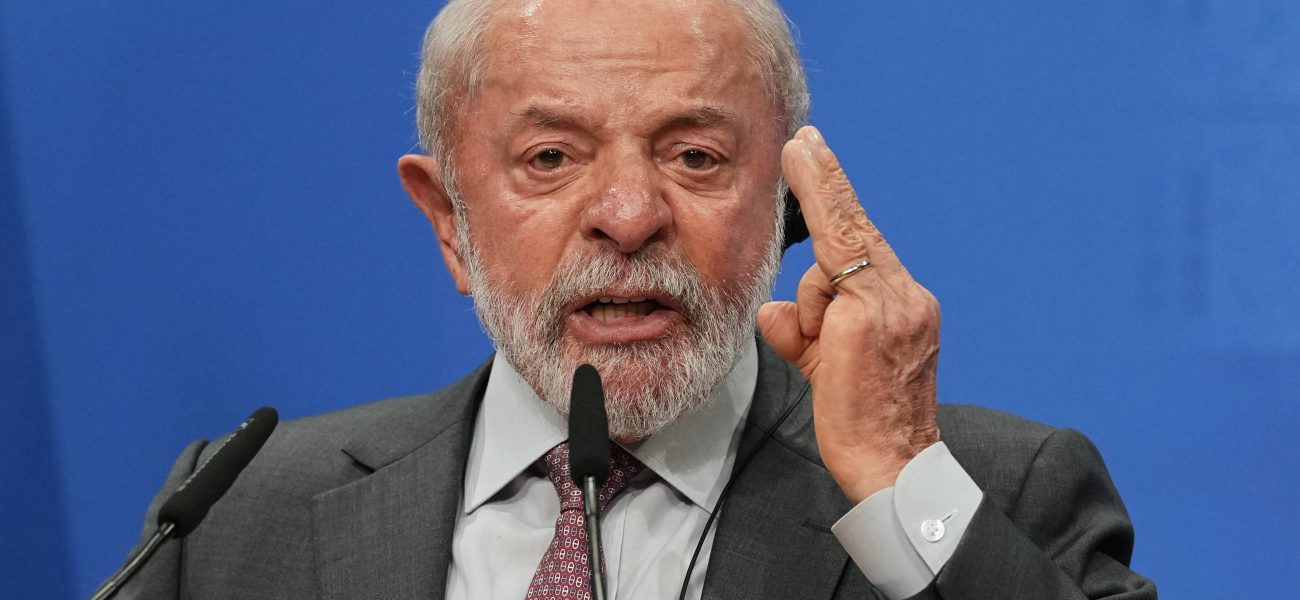
President Lula, never one to mince words when cornered, opined on the outcome. “This wasn’t about qualifications; it was a clear act of partisan obstruction designed to impede progress for the Brazilian people,” he said, his voice reportedly tinged with an unusual exasperation during an impromptu press conference. “We won’t be deterred by those who prioritize political games over institutional stability.” It’s a strong accusation, reflecting the depth of his frustration.
But opposition senators were quick to frame their actions differently. Senator Mara Gabrilli, a prominent voice from the Social Democratic Party, retorted with conviction. “The Senate’s role isn’t merely to rubber-stamp presidential whims. We acted as guardians of the constitution, ensuring the judiciary remains independent and free from executive influence,” she declared, emphasizing the institution’s checks-and-balances mandate. This wasn’t personal, they insist; it’s principled.
The immediate political fallout for Lula is palpable. He’s now forced to find another candidate, and the process will undoubtedly be more arduous, perhaps even humiliatingly so. It’s a stark reminder that even a popular president doesn’t wield absolute authority, especially when the legislative branch decides to stand its ground. And it isn’t just about this one nomination; it’s about the future relationship between the executive and legislative branches, a precarious dance that just got a lot more complicated.
Still, this institutional flexing, while a local Brazilian affair, resonates in broader democratic conversations worldwide. Particularly in nations like Pakistan, where the judiciary’s independence — or perceived lack thereof — frequently shapes the political landscape. Just as Brazil grapples with the delicate balance between presidential power and judicial autonomy, many Muslim-majority nations have their own complex histories with judicial appointments and executive authority. Such overt legislative defiance, while perhaps less frequent in its exact form, speaks to a similar underlying tension: the persistent struggle to institutionalize strong, independent checks on power that are crucial for a maturing democracy.
📄 POLICY WIRE WHITEPAPER PUBLISHED: PAKISTAN'S NATIONAL SECURITY POLICY PRIORITIES
👉 READ BY CLICKING HEREWhat This Means
At its core, this Senate rejection signifies a pivotal shift in Brazil’s political dynamics. For Lula, it’s a profound weakening of his legislative leverage. He won’t just struggle to appoint judges; he’ll find it harder to push through key reforms, from economic policies to social programs, as his administration faces emboldened opposition. This could lead to increased policy gridlock, making the promised ‘return to normalcy’ seem increasingly distant.
Economically, perceived institutional instability never bodes well. Investors crave predictability, and a Supreme Court seen as a political football, rather than an impartial arbiter, can deter foreign capital. It suggests a higher degree of political risk, which translates into real-world economic consequences.
Behind the headlines, it also marks a potential strengthening of Brazil’s legislative branch. For too long, critics argue, the Senate has been seen as a rubber stamp, particularly on judicial appointments. This act of defiance could usher in an era where senators feel more empowered to challenge presidential authority, creating a more robust, albeit potentially more fractious, system of checks and balances. Or, it could merely be a temporary flexing, a tactical victory in a longer war. We’ll have to watch closely. Ultimately, it’s a vivid illustration of how bureaucratic bloat and policy rifts can undermine national fortitude.
And for the broader concept of democratic governance, particularly in Latin America, it’s a fascinating, if somewhat concerning, precedent. It reminds us that even long-held political norms can be shattered, forcing systems to adapt — or break.