


Post-Victory Prayers: Punjab Kings’ Playoff Fate Hinges on Unlikely Rival’s Success
POLICY WIRE — Mumbai, India — It’s a peculiar sight, isn’t it? A team celebrating a thumping victory one moment, only to turn into fervent cheerleaders for a rival squad mere...

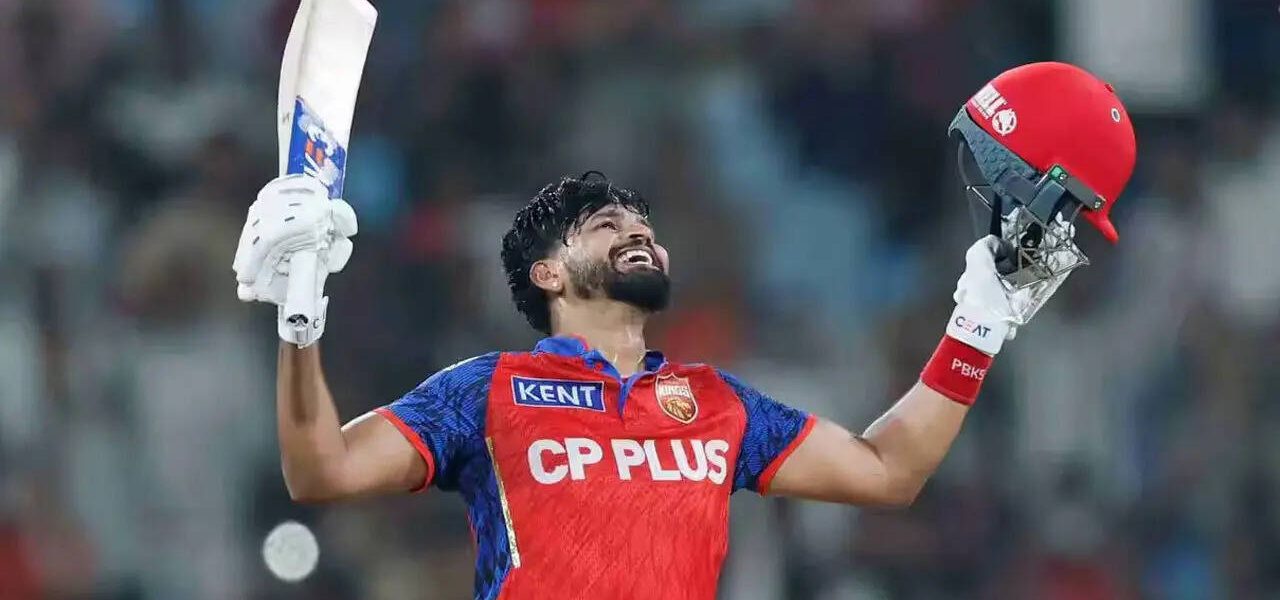
POLICY WIRE — Mumbai, India — It’s a peculiar sight, isn’t it? A team celebrating a thumping victory one moment, only to turn into fervent cheerleaders for a rival squad mere hours later. That’s precisely the tightrope walk for the Punjab Kings (PBKS), fresh off their comprehensive seven-wicket thrashing of the Lucknow Super Giants (LSG) at the Ekana Cricket Stadium. They snagged 15 points, momentarily perched themselves on the fourth spot — but it’s a perch built on sand.
But here’s the kicker: their hard-earned win meant they’re now devout supplicants for the Mumbai Indians. Yeah, you read that right. Their entire playoff aspiration hangs on whether the Rajasthan Royals (RR) trip up against Mumbai, currently holding 14 points. A win for Rajasthan would instantly bump them to 16, slamming the playoff door squarely in Punjab’s face. It’s enough to give any team management grey hairs.
Shreyas Iyer, PBKS captain and architect of Saturday’s magnificent century, didn’t mince words about his newfound allegiances. “We support MI tomorrow,” he declared, the admission hanging heavy with a blend of triumph and nervous anticipation. His personal performance — his maiden IPL hundred — and a Man-of-the-Match nod — surely sweetened the moment. “Ecstatic, first hundred of the season, we won eventually after six consecutive losses.” And who could fault him that? Six straight defeats can wear a man down.
Iyer wasn’t alone in the heroics. Prabhsimran Singh’s aggressive 69 proved an ideal foil, forging a match-winning 140-run partnership. “Prabh was temperamentally active and the communication we had was great,” Iyer noted, a casual compliment in the high-octane world of T20 cricket. The PBKS skipper also divulged a somewhat unorthodox team strategy: they deliberately eschewed pressure-laden meetings before the LSG encounter. “We just kept it simple, rather than having meetings — and putting pressure on the boys. Free flow of mind is required in crucial games.” Maybe there’s a lesson there for other organizations too.
Because, make no mistake, the IPL isn’t just about willow on leather; it’s a financial behemoth. Its brand value hit an astounding US$10.7 billion in 2022, according to Statista — and D&P Advisory. This makes it not just India’s premier sporting event, but a global economic powerhouse — a genuine soft power instrument that eclipses many governmental initiatives in regional impact. It’s where the raw, untamed passion for cricket in countries like Pakistan, Bangladesh, and Afghanistan converges with India’s massive consumer base, even if political realities often prevent direct engagement. The ripple effect of such tournaments washes across borders, shaping conversations and even influencing regional narratives far beyond the cricket pitch. The excitement for these last-gasp qualification matches isn’t just for local fans, it’s for everyone glued to screens across the subcontinent, sometimes finding streams under the radar because formal broadcasting deals can be complex.
📄 POLICY WIRE WHITEPAPER PUBLISHED: PAKISTAN'S NATIONAL SECURITY POLICY PRIORITIES
👉 READ BY CLICKING HEREBut when you’ve got this much money, this much hype — well, the stakes get pretty high. The intricate dance of points tables and net run rates is precisely what fuels the drama that advertisers salivate over. “Look, this is the very essence of competitive sports, isn’t it? Every ball, every match, has a domino effect,” offered Sunil Gavaskar, veteran cricket commentator and a respected voice often consulted on league matters. “The tension generates eyeballs. And let’s not forget, eyeballs generate revenue.” His pragmatic take cuts through the pure sporting sentiment, straight to the bottom line.
It’s this blend of high-octane sporting theatre and cut-throat commercialism that defines modern cricket, particularly in India. Whether Punjab ultimately sneaks through — through the grace of their supposed rivals, mind you — remains to be seen. But their predicament serves as a stark reminder that in this league, winning your own match is only half the battle. Sometimes, the real game unfolds on an entirely different pitch, controlled by a different set of players altogether. You might call it the business of sport, stripped bare. It’s a dynamic that echoes the broader trends of commercialization seen in global sports, from American leagues to European football circuits — where hoop dreams are increasingly tied to hard cash and market strategy.
What This Means
This nail-biting scenario, where one team’s destiny rests entirely on another’s performance, isn’t just about cricket; it highlights the shrewd financial architecture of the Indian Premier League. The complexity fosters unprecedented engagement — fans aren’t just following their team; they’re following the entire league, boosting viewership across multiple games. This, in turn, amplifies broadcast rights, sponsorship deals, — and merchandise sales. Politically, the IPL continues to cement India’s role as a sports superpower, demonstrating its organizational prowess and economic heft on a global stage, subtly overshadowing other South Asian cricketing nations in terms of commercial might and influence. It’s a masterclass in brand building, wrapped in the cloak of unpredictable sporting drama.