


US Employers Eyeball Cutting GLP-1 Coverage by ’27: The Health Benefit Reckoning
POLICY WIRE — Washington D.C., United States — The true cost of American health isn’t always tallied in insurance premiums or co-pays; sometimes, it sneaks up in pharmaceutical...

POLICY WIRE — Washington D.C., United States — The true cost of American health isn’t always tallied in insurance premiums or co-pays; sometimes, it sneaks up in pharmaceutical advances that offer life-altering results, only to then punch holes clean through corporate balance sheets. Right now, a quiet recalibration is underway in boardrooms across the nation. It concerns those trendy GLP-1 agonist drugs, the ones folks have come to see as a wonder cure for weight loss and diabetes management.
It turns out the sticker shock is real. We’re talking about a slow-motion unraveling, with a not-so-distant deadline of 2027, when more and more US employers are expected to drop coverage for these much-discussed medications. They’re making these calculations, not with malicious intent, but with an eye fixed squarely on the bottom line—a reality often starker than any abstract ideal of employee well-being.
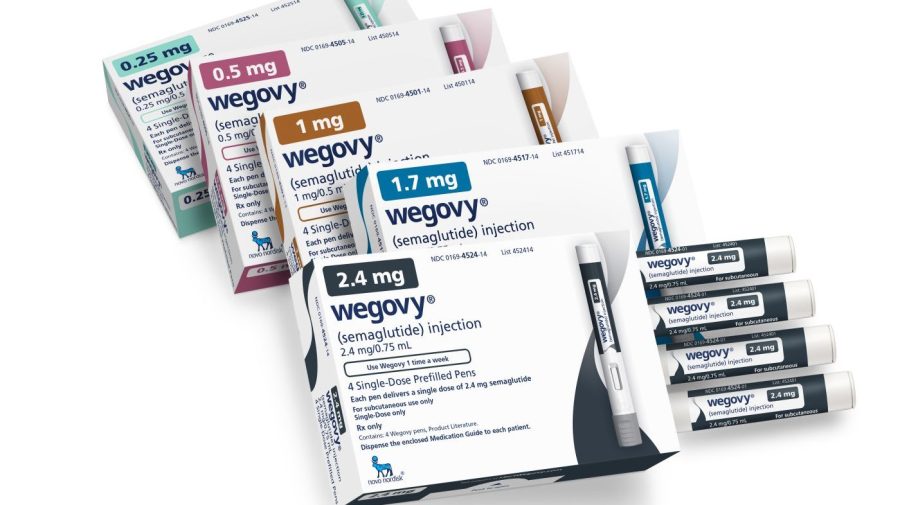
It’s a bitter pill, so to speak. These drugs, known widely by brand names like Ozempic — and Wegovy, didn’t just appear out of nowhere. They represent a significant scientific leap, offering unprecedented efficacy for conditions that have historically plagued public health, driving up long-term medical costs for everything from heart disease to joint replacement. But success has a price. And it’s proving steep. For companies managing self-funded plans, especially, the outlays have become, let’s just say, eyebrow-raising.
Many folks got used to the idea that these breakthrough treatments would be covered, a natural extension of comprehensive health plans. But companies, facing escalating expenses, are now quietly sketching out a different future. [QUOTE_PLACEHOLDER] they’ll tell you, a hard-nosed truth that many employees won’t appreciate hearing. It’s about a choice, really. Either you swallow the astronomical costs, or you re-evaluate what your company can realistically afford to provide as a benefit.
And because, frankly, the market dynamics for these drugs are just insane. According to a recent analysis by the Peterson-KFF Health System Tracker, the monthly list price for popular GLP-1 weight-loss medications can reach over $1,300 in the U.S., making them inaccessible for many without employer coverage. That’s a huge burden. We’re watching the healthcare tightrope walk: provide advanced care, but don’t bankrupt the enterprise. For countless American workers, this policy pivot could mean either shelling out thousands from their own pockets or abandoning a treatment regimen that’s significantly improved their health.
Consider the ripple effect of such decisions. While Americans debate employer-funded weight-loss drugs, the broader Muslim world, including nations like Pakistan, faces its own distinct healthcare quandaries. Chronic diseases, diabetes among them, are soaring in many parts of South Asia. While a drug like Ozempic exists, its availability, let alone affordability, for the vast majority of citizens is often a distant dream, reserved only for a privileged few able to navigate prohibitive costs or complex international markets. Their healthcare systems, frequently under immense pressure and stretched thin, simply can’t absorb such high-cost therapies on a national scale. This U.S. employer quandary, then, offers a stark mirror, reflecting the universal tension between medical innovation, equitable access, and brutal economic reality—only the scales of wealth and infrastructure are dramatically different.
📄 POLICY WIRE WHITEPAPER PUBLISHED: PAKISTAN'S NATIONAL SECURITY POLICY PRIORITIES
👉 READ BY CLICKING HEREIt’s not just a debate over fat jabs. It’s a bigger statement about healthcare’s direction.
What This Means
The potential widespread withdrawal of GLP-1 coverage by US employers isn’t merely an administrative change; it’s a significant redefinition of corporate responsibility and health policy, loaded with both economic and political implications. Economically, this move signals a broader tightening in employer-provided benefits, driven by an unsustainable growth in pharmaceutical expenditures. Businesses aren’t charities, — and when costs balloon for a single class of drugs, CFOs must act. This action will undoubtedly shift a substantial financial burden directly onto employees, disproportionately affecting lower-income workers who rely solely on their employer’s plan and cannot afford the out-of-pocket costs.
Politically, this represents a simmering cauldron of public discontent waiting to boil over. Policymakers are watching, no doubt. The popular demand for these effective treatments, coupled with dwindling employer coverage, creates a vacuum that governments might feel compelled to fill. It could reignite debates over nationalized healthcare components or push for stricter pharmaceutical price controls—an area where Washington D.C. has historically hesitated. This scenario also illuminates the deep cracks in the American market-based healthcare system, highlighting its failure to universally integrate life-altering, but expensive, innovations. It implies a societal willingness to embrace advanced medical solutions, but a corporate unwillingness—or inability—to fund them indefinitely without federal intervention. What companies like Policy Wire previously detailed about the Capitol Hill deadlock on other major policy matters will undoubtedly extend here, complicating any systemic reform. The fallout isn’t just about individual waistlines; it’s about the ever-expanding waistline of US healthcare costs, and who’s ultimately going to pay the tab.