


McLaren Vale Wine: Global Shifts, Local Adaptation
Australia's McLaren Vale wine region grapples with climate change and global market shifts. Discover its innovative adaptations, from diverse exports to sustainable practices.

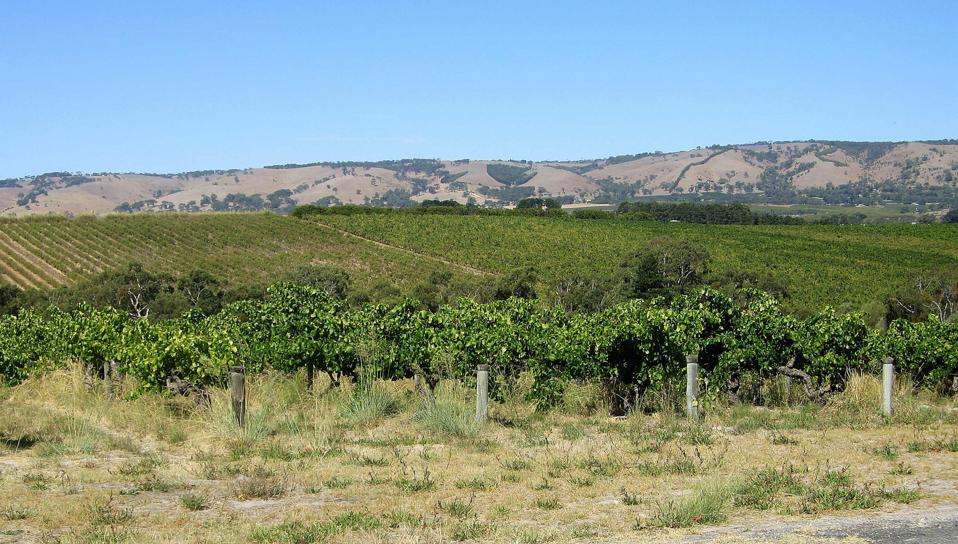
POLICY WIRE — Adelaide, Australia — It isn’t the shimmering rows of ancient Grenache that first grab you in McLaren Vale, not anymore anyway. Nope. These days, it’s the quiet hum of advanced irrigation systems or the very distinct lack of it, the parched earth around fledgling saplings, that speaks volumes. Because what was once simply Australia’s darling wine country— all quirky vintners and cutting-edge biodynamics — is now ground zero for some messy, complicated global shifts, far beyond mere grape fermentation.
This isn’t just about another hipster tasting room pushing an orange wine you can’t pronounce, either. This is about water scarcity, global market pivots, and—surprise, surprise—the sometimes unexpected soft power of a well-aged Shiraz. Down here, a few dozen kilometers south of Adelaide, folks aren’t just thinking about tannin structures. They’re weighing the impacts of shifting climates, figuring out how extreme weather swings aren’t some distant problem, they’re here. And they’re messing with vintages.
McLaren Vale, famed for its Mediterranean climate, big, bold reds, and a recent, aggressive push into sustainability, finds itself smack in the middle of these larger dialogues. We’re talking droughts that stretch for months, followed by sudden, intense deluges that challenge the very definition of a growing season. But it’s not just the elements that are stirring the pot. It’s also where the product goes. The region’s producers, often fiercely independent, are increasingly casting their nets wider, looking for fresh demand beyond traditional European or American palates.
And that’s where things get interesting, isn’t it? Who’d have thought a place synonymous with vino would start drawing curious glances, and even investment, from places like Pakistan? Not for widespread consumption, obviously—you won’t find McLaren Vale Shiraz gracing every Karachi dinner table—but for specific, high-end hospitality sectors, for a discerning, globally-minded elite, and yes, for an intriguing subset of tourism and agricultural interest. Consider this: wine exports to countries in the broader Gulf Cooperation Council (GCC) and certain South Asian nations, while modest compared to Western markets, have reportedly grown by 15% year-over-year according to a recent report by Wine Australia.
This isn’t about converting the masses. It’s about diversifying revenue streams and adapting to a world where old allegiances, both economic and geopolitical, don’t hold the same sway. Australian vintners are proving themselves adaptable—they’ve gotta be, haven’t they, if they want to survive. The competition is fierce, the tariffs sometimes punitive, and the domestic market, while strong, isn’t going to absorb every bottle when yields are good.
The push for low-alcohol or alcohol-free premium grape beverages is another unexpected avenue, one that resonates deeply in regions like the Muslim world where traditional wine consumption is culturally or religiously restricted. McLaren Vale, with its knack for experimentation — and embracing niche markets, is primed to explore such possibilities. It’s a commercial opportunity, plain and simple, but also an exercise in cultural navigation – figuring out how to connect without trampling on established norms.
It’s not all sunshine — and Shiraz, though. There are very real concerns among some of the region’s older growers, the ones who’ve seen generations work the same plots. They worry that too much focus on exports to distant lands might diminish the very character that makes McLaren Vale unique — that independent, often gritty, hands-on spirit. They say [QUOTE_PLACEHOLDER] in hushed tones over morning coffee at the local bakery. Because what happens when your local heritage starts bending too much to meet global demands? You start to lose a piece of yourself, don’t you?
This struggle, between tradition — and commercial imperative, isn’t new, but it feels particularly sharp now. McLaren Vale isn’t just selling a product; it’s selling an experience, a lifestyle, a certain terroir. But how far can you stretch that without breaking it? You’ve got vineyards pioneering dry-farming techniques next to multi-million-dollar developments eyeing prime agricultural land for luxury retreats catering to international visitors. It’s a strange mix, and a dynamic one.
And let’s not forget the long game here: climate policy. Australia, as a major agricultural exporter, feels the squeeze directly. McLaren Vale’s innovative, albeit small-scale, climate adaptations are a microcosm of the larger, slower, often painful shifts needed globally. For more on Australia’s intricate role in global climate diplomacy, you might find Beehive Blaze Engulfs New Mexico’s Drylands: A Global Echo an interesting read, showcasing similar environmental struggles abroad.
What This Means
The McLaren Vale story isn’t just about grapes; it’s a telling barometer of how localized industries, even ones steeped in centuries of tradition, are forced to adapt to a mercurial global landscape. Economically, its reliance on diversified export markets, including nascent ones in South Asia, highlights a broader shift away from Western-centric trade — a smart, albeit necessary, play against protectionism and market saturation elsewhere. The region’s struggle with climate change, requiring ingenuity and investment in sustainable practices, will inevitably influence national agricultural policy and serve as a case study for other vinicultural regions grappling with similar environmental pressures.
Politically, the subtle inroads into markets like Pakistan, however niche, speak to a form of quiet economic diplomacy. It shows how non-traditional goods can sometimes forge unexpected connections and shift perceptions, even if just among a tiny sliver of the population. Australia’s commitment to multilateral trade agreements, even as global frameworks falter, provides the foundational access for regions like McLaren Vale to navigate these new currents. It’s about building economic bridges, sometimes one high-end bottle at a time, to places not historically seen as significant trading partners for such a specialized good.
The internal tension between growth and preserving the local character— that independent spirit of the smaller grower — mirrors a perennial policy challenge: how to support local enterprise within a globalized economy. It’s an act of constant calibration, a balancing act without an easy answer. This place, all about its grapes, reveals much about Australia’s position in a rapidly evolving, and sometimes surprisingly thirsty, world.