

Albuquerque: Illegal Fireworks Spark Enforcement Crisis
Albuquerque's illegal fireworks pose a wildfire threat. With zero enforcement, officials struggle to curb blasts. Discover why current laws fail & what solutions are proposed.

POLICY WIRE — Albuquerque, United States — It’s that time of year again when the night sky promises explosive displays of patriotic fervor. But down on the ground, especially in places like Albuquerque, the annual ritual of Fourth of July fireworks transforms into a farce for local authorities. Imagine chasing ghosts, literally, as the specter of pyrotechnic lawbreaking ignites—then vanishes—before official eyes can land a citation. It sounds like something from a slapstick comedy, doesn’t it?
For city fire rescue officials, however, it’s no laughing matter. They’re trying to douse actual flames and enforce ordinances designed to prevent wildfires and injuries, only to find themselves effectively handcuffed by a bureaucratic catch-22. Albuquerque Fire Rescue’s leadership freely admits officers grapple with a deeply frustrating reality. And that reality? You’ve gotta catch someone red-handed, fuse still sparking, to make a charge stick. It’s an impossibly narrow window of opportunity, a blink-and-you’ll-miss-it kind of policing. [QUOTE_PLACEHOLDER]
Chief Emily Jaramillo of Albuquerque Fire Rescue laid it bare in a recent conversation. We have to be able to catch somebody in the action of lighting the firework, which is the biggest challenge with enforcement of the fireworks,
Jaramillo stated. This isn’t just about spotting the flashy booms; it’s about the literal act. That’s what makes it tough. Think about it: a rogue rocket launches, neighbors grumble, but by the time authorities arrive, the evidence has disintegrated into smoke and a fleeting scent of sulfur. Nobody’s holding a smoking gun, or, well, a spent fuse.
Albuquerque Police Department (APD) — and AFR crews report that they hear and see the illegal blasts city-wide. It’s an open secret. But when uniform-clad figures roll up, those celebratory bursts tend to cease quicker than a politician’s promise. One of the problems is when people see APD, AFR, responding out, they know they’re not supposed to be doing it, and they stop, they run, and unless we see them lighting, we can’t issue that citation,
Jaramillo explained, highlighting a game of cat-and-mouse played annually across American subdivisions. She urged folks to keep reporting suspicious activities to 311, a mechanism often akin to shouting into the wind, but a mechanism nonetheless.
The numbers, stark — and unblinking, paint a grim picture of this enforcement vacuum. KOB 4, a local news outlet, asked APD about the efficacy of their efforts last Fourth of July. The tally? Zero people cited for illegal fireworks, according to official police records. Zero. Not one. It makes you wonder, doesn’t it, what the point of having the rules is if no one’s ever caught breaking them? It’s a question policymakers – — and ordinary citizens breathing smoke-filled air – might ask. Such enforcement conundrums aren’t new to state and municipal agencies, but the sheer scale of non-compliance here is quite something.
Because, adding another layer of anxiety to this seasonal ritual, New Mexico’s landscapes are, as usual, dry as a bone. That creates an exponential risk factor for wildfire, especially this year. Jaramillo expressed particular apprehension about the very dry conditions across the metro and across the state
—a grim prelude to the Independence Day festivities. This isn’t a theoretical worry; it’s an annual existential threat across much of the Western U.S., a threat shared in surprising ways with arid regions across the globe. Just think of the devastating summer blazes seen repeatedly in Australia, California, or, more tellingly, the parched hinterlands of Pakistan where sparks can—and often do—become infernos.
In many parts of the Muslim world, celebratory fireworks are also a big deal for Eid al-Fitr or other festivals—a way to express communal joy. But authorities there too wrestle with the double-edged sword of festivity versus public safety, particularly regarding the very real threat of accidental fires in densely populated areas or rural landscapes. But in Albuquerque, the policy discussion isn’t just about enforcement; it’s stretching towards fundamental changes. Jaramillo suggested the debate might need to leave city limits — and move up to the state level. She thinks If we had that statewide ban, and that would have to come from our legislature, so we’d have to reach out to your congress to work on that’s that we would then need to have like a more civil citation and so there’s kind of some steps there like statewide ban is a great start.
And a great start is surely needed. We need a way to deal with the public’s proclivity for explosive displays that doesn’t hinge on chasing fleeting flashes of light.
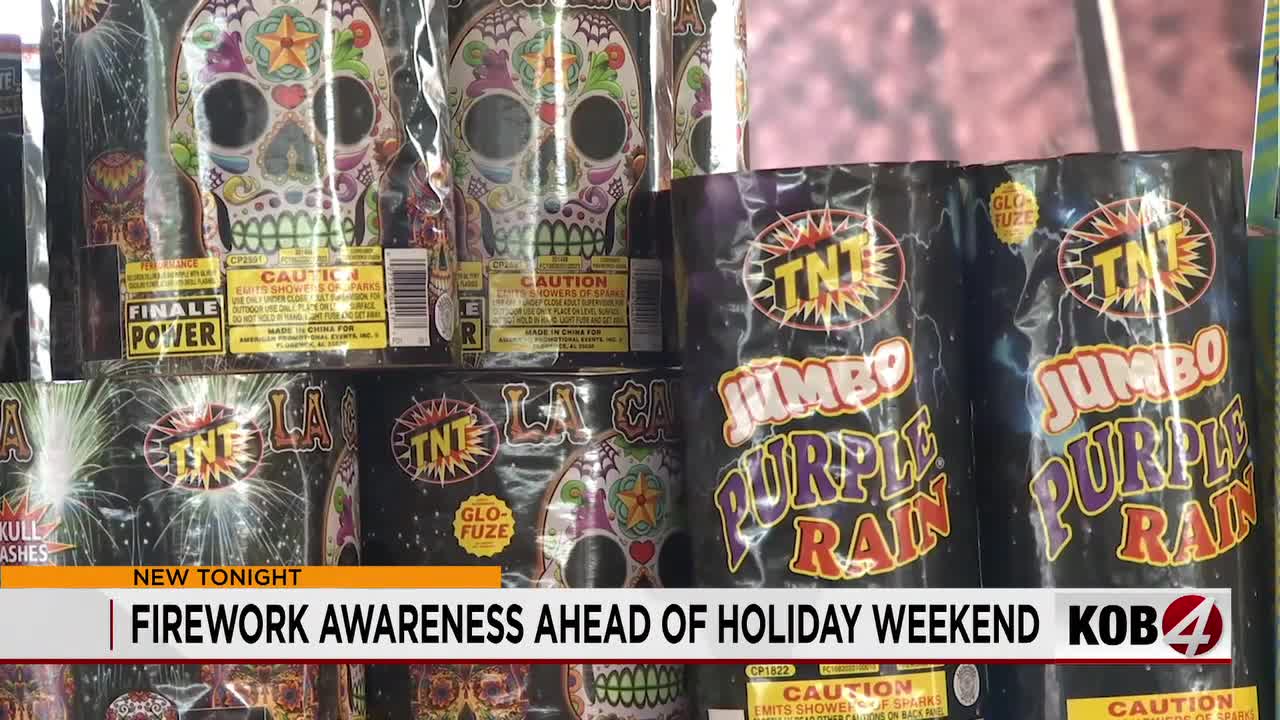
Currently, residents can purchase fireworks marked caution
in Bernalillo County—they’re perfectly legal. But those marked warning
are off-limits, yet clearly still widely used. The irony is palpable: one class of explosive is fine, the next isn’t, but enforcement is practically non-existent for both, at least when it comes to individuals lighting them off. The system, as it stands, seems designed to fail.
What This Means
This whole situation isn’t merely about noisy pyrotechnics or irritated neighbors; it’s a stark microcosm of governance grappling with deeply embedded cultural practices and enforcement realities. Politically, a push for a statewide ban—as suggested by Chief Jaramillo—would inevitably spark (no pun intended) significant pushback. Advocates for personal freedoms and traditional Fourth of July celebrations would likely mobilize, framing it as government overreach into cherished patriotic activities. It’s a classic small-L libertarian versus public safety debate, playing out with more flammable materials. The state legislature, known for its sometimes ponderous pace, would find itself navigating a truly combustible political terrain. For any elected official contemplating such a move, it’s a tightrope walk.
Economically, a ban—even if enforceable—would extinguish a niche market, impacting local businesses that thrive on seasonal sales of these items. Though small, this sector does contribute. But the unspoken cost of not having effective enforcement—the environmental impact of potential wildfires, the burden on emergency services, and health implications from smoke inhalation—far outweighs any marginal economic benefits of unbridled firework sales. This dynamic creates an interesting tension: the perceived right to celebrate versus the communal responsibility for public and ecological well-being. The current status quo, where enforcement is effectively zero, merely offloads the true costs onto society at large, a subsidy to uncontrolled exuberance that Albuquerque, and much of the parched West, can ill afford.