


The AI Boom is Reshaping the American Landscape with Massive Data Centers
As AI demand surges, thousands of new data centers are transforming rural land. Explore the environmental impact and growing public pushback nationwide.

POLICY WIRE — Washington, D.C. — The rapid expansion of artificial intelligence is fundamentally altering the American landscape as technology giants construct massive data centers across the country.
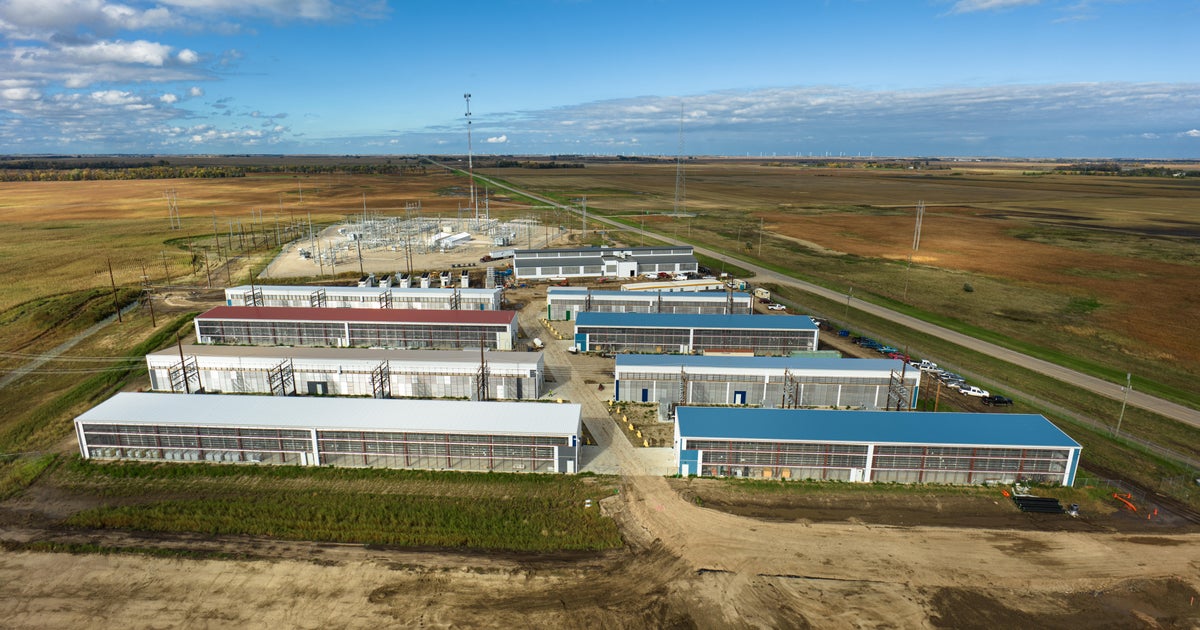
While data facilities have existed for years, the current surge in hyperscale projects is increasingly claiming land that was previously utilized as farmland or desert, according to satellite imagery analysis.
Market intelligence firm Cleanview reports that there are currently more than 1,300 operational data centers in the United States. Furthermore, an additional 2,231 projects are either in the planning stages or currently under development.
Among the existing facilities, approximately 100 are categorized as hyperscale, meaning they require at least 100 megawatts of power during peak operations. Data indicates that roughly 40 percent of these hyperscale sites were constructed on previously developed land, while the remainder replaced forest, shrubland, or agricultural fields.
These AI-driven facilities require immense amounts of electricity. To mitigate concerns regarding grid strain and rising utility costs for local residents, some developers are opting to construct their own private power grids.
The rapid pace of construction has triggered widespread public resistance. Communities are increasingly vocal about the potential strain these facilities place on local water and power resources.
According to reports, organized opposition has become more visible online, with campaigns now focusing on statewide policy, utility regulation, and infrastructure concerns. Data Center Watch notes that 30 states have already introduced or enacted legislation to address these issues, with some municipalities implementing preemptive moratoriums on new construction.
In an effort to secure project approvals, some developers have attempted to influence local sentiment by offering community incentives, including promises of direct cash payments to residents.
Reporting by Policy-Wire (PW)