


Beyond the Background Check: Albuquerque’s Betrayal Unearths Deeper Systemic Failures
POLICY WIRE — Albuquerque, New Mexico — It’s not just the grim accusations against Patrick Corr, a former middle school educator now facing trial here, that gnaw at the community’s collective...

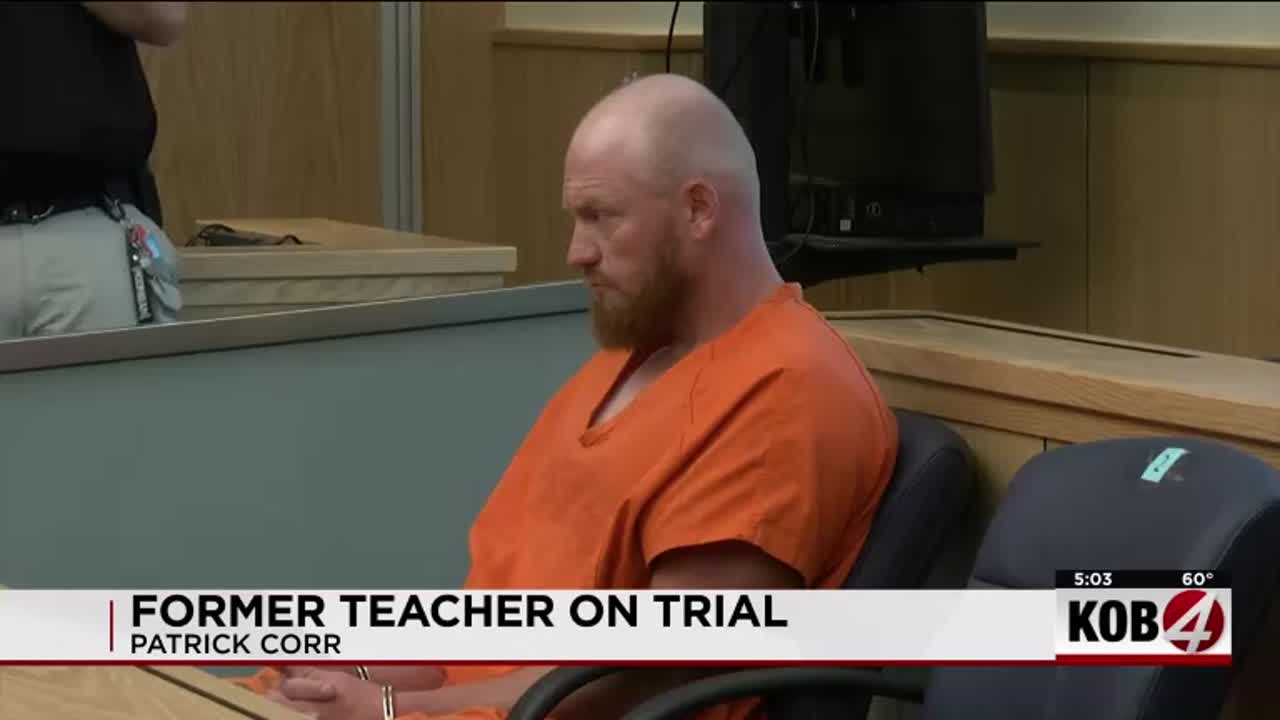
POLICY WIRE — Albuquerque, New Mexico — It’s not just the grim accusations against Patrick Corr, a former middle school educator now facing trial here, that gnaw at the community’s collective conscience. No, it’s the unsettling whisper of a meticulously cleared background check—a supposed bulwark against depravity—that truly reverberates, casting a long shadow over the very institutions entrusted with our children.
Corr, 36, stood accused this week in a Bernalillo County courtroom of preying on two teenage girls, 15 and 16, after allegedly plying them with alcohol. The narrative that unfolded was one of calculated vulnerability: rides offered, drinks poured, and then, a grotesque breach of trust within the sanctity of a home outside city limits. One victim, jurors heard, found herself pregnant and underwent an abortion; another recalled being forced to take a Plan B pill. These aren’t just isolated incidents; they’re symptomatic of a shifting sands of school safety, where vigilance often lags behind the insidious machinations of predators.
Testimony from the alleged victims, harrowing in its detail, painted a picture of manipulation. They recounted being picked up from their residences, taken to Corr’s domicile, and then subjected to sexual acts after consuming alcohol provided by the former John Adams Middle School teacher. The defense, predictably, attempted to discredit their accounts, implying that alcohol consumption rendered their memories unreliable—a tactic as old as it’s ethically dubious, considering the very nature of the allegations.
And yet, the prosecution presented a digital trail: inappropriate Snapchat conversations, including nude photographs sent by Corr to one of the teens. It’s a modern twist on an ancient evil, demonstrating how technology often becomes another tool in the predator’s arsenal, not just a casual communication channel. What happens offline often has digital antecedents, don’t it?
Albuquerque Public Schools (APS) has been quick to distance itself, asserting that it acted with commendable celerity upon detecting “unusual behavior” and alerting the Bernalillo County Sheriff’s Office last June. An APS spokesperson stated, “The conduct Mr. Corr is accused of is reprehensible, which is precisely why we acted swiftly in notifying BCSO. We have zero tolerance for such abuses.” Still, the same statement pointed out a disturbing irony: Corr had navigated an “extensive background check” without incident prior to his employment. This detail doesn’t just raise eyebrows; it shouts. It begs the question: what, precisely, are these checks designed to catch?
“This case isn’t just about the deplorable actions of one individual; it’s a stark reminder of the sacred trust placed in educators and the profound betrayal when that trust is shattered,” asserted District Attorney Raul Garcia. His words resonate far beyond the confines of this New Mexico courtroom, echoing concerns across diverse communities globally—from the quiet suburbs of America to the bustling madrassas of Pakistan, where safeguarding children against institutional abuse remains a persistent, complex challenge. Whether in Western education systems or Islamic scholastic environments, the vigilance required to protect the innocent from those who exploit positions of power is a universal, unending battle.
The trial continues this week, but its implications already stretch further than the verdict itself. It underscores a persistent, systemic fragility. For context, the U.S. Department of Education’s Office for Civil Rights received over 16,000 complaints of sexual harassment in schools in fiscal year 2022 alone—a stark figure that captures only a fraction of the actual problem, as many instances go unreported. This isn’t just a local anomaly; it’s a national scourge, often lurking beneath the surface of well-meaning policies.
What This Means
At its core, the Corr trial isn’t merely a criminal proceeding; it’s a policy indictment. The seeming failure of a robust background check—a primary safeguard—to flag a potential predator reveals critical systemic vulnerabilities. Politically, this puts immense pressure on school boards and state legislatures to re-evaluate vetting processes, perhaps demanding more dynamic, continuous monitoring rather than static, one-time checks. The public’s trust in educational institutions, already fragile post-pandemic, takes another bruising hit, likely leading to increased parental scrutiny and demands for greater transparency.
Economically, the fallout is multifaceted. Legal costs for school districts defending against potential civil suits, the expenses associated with enhanced background checks, and the intangible but significant cost of reputational damage all burden public coffers. such incidents erode community cohesion, diverting resources and attention from educational attainment towards crisis management and damage control. The perceived perils of engineered failure in safeguarding mechanisms become tangible, requiring costly overhauls and a re-prioritization of scarce educational funding. It’s a chilling reminder that the cost of prevention pales in comparison to the devastating price of systemic neglect.