


Beijing’s Iron Grip, Islamabad’s Deep Pockets: The ‘Consensus’ That Shakes South Asia
POLICY WIRE — Islamabad, Pakistan — As global powers fret over an increasingly fractured world order, some alliances don’t just endure; they entrench. Pakistan and...

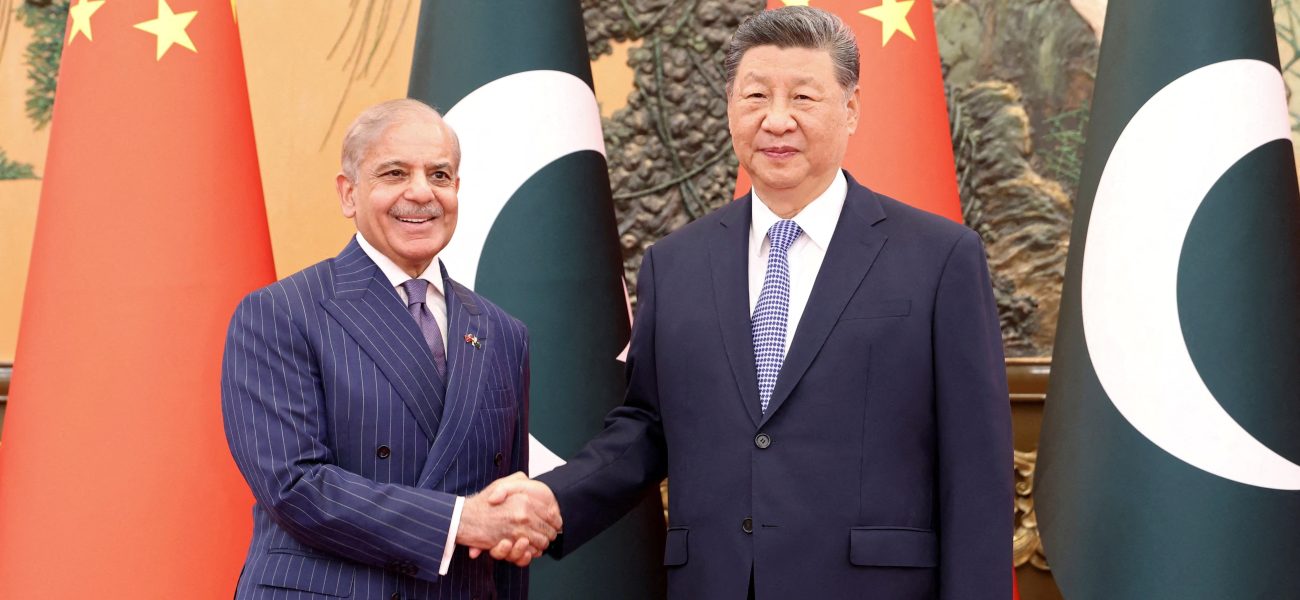
POLICY WIRE — Islamabad, Pakistan — As global powers fret over an increasingly fractured world order, some alliances don’t just endure; they entrench. Pakistan and China—longtime partners in a neighborhood bristling with strategic anxieties—aren’t exactly a fresh pairing, but their latest pronouncement of a “new broad consensus” signals something far weightier than mere diplomatic pleasantries. It’s a tighter embrace, forged not just in camaraderie but in shared geopolitical ambition and, let’s be frank, Pakistan’s economic desperation.
Because, for all the diplomatic gloss, what really fuels this enduring friendship is hard cash — and strategic advantage. The recent high-level talks, culminating in that neatly packaged “consensus,” focused on strengthening defense cooperation, deepening economic partnerships, and, predictably, accelerating the much-hyped China-Pakistan Economic Corridor (CPEC). Beijing isn’t just a friend; it&rsquos Pakistan’s largest creditor, a fact that certainly puts a certain heft behind its requests. We’re talking about a multi-billion dollar lifeline, one that’s supposed to pull Pakistan out of its chronic fiscal woes, but sometimes feels more like a gilded cage.
CPEC, a signature component of China’s ambitious Belt and Road Initiative, was initially billed at a staggering $62 billion back in 2015, according to the Brookings Institute. That kind of money reshapes landscapes. It builds highways, ports, — and power plants—infrastructure critical for any nation striving for modernity. But it also creates immense leverage. And that’s what makes this "consensus" less about bilateral bonhomie and more about a carefully calibrated realignment in a region that the U.S. and its allies are increasingly watching with narrowed eyes. It’s a hard fact, isn’t it? Debt speaks louder than promises.
Pakistani Prime Minister Shehbaz Sharif, ever the pragmatist when the nation’s purse strings are strained, painted the developments in glowing terms. “This new consensus reinforces our belief that China remains our indispensable partner in development and regional stability,” Sharif stated during a press briefing — his words laced with a hope that Beijing’s coffers would remain open. “We’re committed to deepening economic integration, unlocking our nation’s full potential.” But even as Islamabad projects confidence, one can’t ignore the delicate balance it now has to strike between its historically significant, yet sometimes strained, relationship with Washington and its accelerating integration into Beijing’s sphere of influence.
And China, always thinking long-term, views Pakistan through a similar lens of strategic necessity. A spokesperson for China’s Ministry of Foreign Affairs, echoing established policy, articulated Beijing’s stance. “Our comprehensive strategic cooperative partnership with Pakistan serves as an anchor of peace in a turbulent world,” the official remarked. “We stand shoulder-to-shoulder, promoting shared prosperity and upholding regional stability.” What’s unspoken, but acutely understood, is Pakistan’s strategic importance: direct access to the Arabian Sea via Gwadar Port, bypassing the volatile Straits of Malacca, and a counterweight to India in South Asia. That’s a prize any global power would covet.
This “consensus” isn’t just about trade deals — and defense pacts, though. It’s also about the Muslim world’s intricate geopolitics. Pakistan, a prominent Muslim-majority nation and founding member of the OIC, often serves as a conduit for China’s outreach into the broader Islamic world. For Beijing, maintaining a stable, allied Pakistan helps temper potential criticism over its own policies concerning Muslim populations—a geopolitical utility that shouldn’t be overlooked. It’s an unspoken arrangement, yes, but a very real one, influencing how both countries navigate international forums.
They’ve both got skin in the game. Big skin. For China, it’s about extending its economic — and strategic reach, solidifying a critical plank of the Belt and Road. For Pakistan, it’s about staying solvent, attracting investment where Western sources often hesitate, and ensuring its national security against perceived threats. It’s a calculated wager by both, plain — and simple.
What This Means
The latest reaffirmation of ties between Islamabad and Beijing isn’t just another diplomatic blurb; it’s a hardening of regional alignments with significant political and economic ripples. Politically, it deepens Pakistan’s dependence on China, potentially limiting its foreign policy flexibility. Don’t kid yourself, Beijing calls many of the shots when you owe it billions. It could also further strain relations with Western nations already wary of China’s growing influence and Islamabad’s strategic proximity to Beijing. We’ve seen this movie before, haven’t we? States finding themselves caught in the gravitational pull of larger powers, their choices narrowed.
Economically, while Chinese investment offers a much-needed lifeline to Pakistan’s struggling economy, it comes with the heavy burden of debt. The long-term sustainability of CPEC projects remains a hot topic — their impact on Pakistan’s national budget, job creation, and overall industrial development hasn’t been unequivocally positive. And then there’s the broader South Asian dynamic. This strengthened axis between Pakistan and China will undoubtedly escalate anxieties in New Delhi, leading to India perhaps seeking its own counterbalances, whether with the Quad partners or other regional alliances. It means the regional chessboard just got a little more complicated, didn’t it?