


The Unsettling Precedent: A Florida Sixth-Grader’s Threat and the Shifting Sands of School Safety
POLICY WIRE — Pasco County, Florida — It wasn’t the sound of gunfire that rattled a Florida middle school recently. No, it was the chilling reverberations of a verbal threat, allegedly...

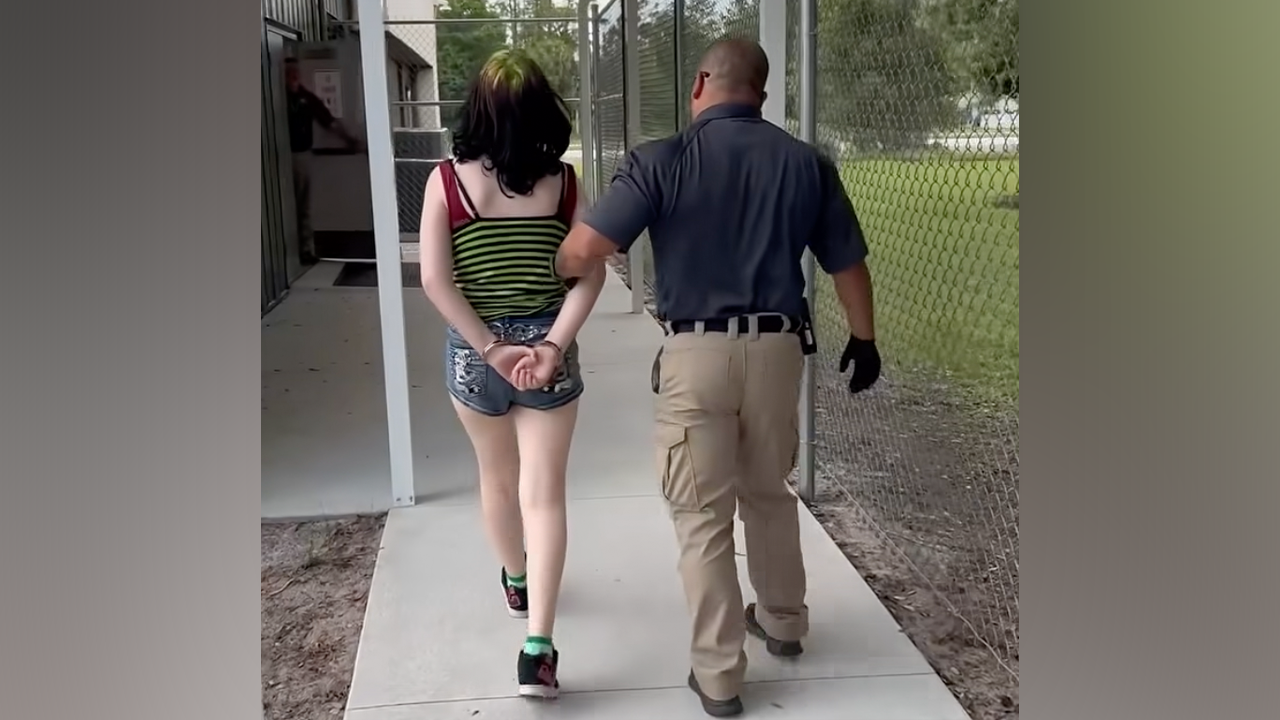
POLICY WIRE — Pasco County, Florida — It wasn’t the sound of gunfire that rattled a Florida middle school recently. No, it was the chilling reverberations of a verbal threat, allegedly delivered by a 12-year-old student, promising to "shoot up" a local institution. The stark reality isn’t just about the age of the accused, nor even the immediate danger, but rather the disquieting normalization of such pronouncements in educational environments across the nation.
At its core, this isn’t merely a localized police blotter item; it’s a grim bellwether for a society grappling with profound questions about adolescent mental health, the efficacy of preventative measures, and the increasingly blurry line between youthful bravado and genuine menace. And while Florida’s legal apparatus moved swiftly—the sixth-grader now faces serious charges—the incident throws into sharp relief the complex web of social, psychological, and policy failures that often precede such an alarming utterance.
But how does a child, barely a teenager, arrive at such a juncture? The official narrative is terse: a student, disgruntled with a teacher, reportedly articulated an intent to inflict mass harm. Local law enforcement, specifically the Pasco County Sheriff’s Office, confirmed the arrest and the severity of the alleged threat. Sergeant Mark Rollins, a veteran of numerous school safety initiatives, affirmed, "Every threat, irrespective of the alleged perpetrator’s age, is meticulously investigated. We’re not merely addressing a single incident; we’re meticulously tracing potential patterns, safeguarding communities." His words underscore the palpable tension under which school administrators and police now operate, perpetually on edge.
Still, the immediate response—arrest and charges—only addresses the symptom. What about the underlying malaise? Dr. Evelyn Hayes, Superintendent of Pasco County Schools, known for her staunch advocacy for mental health resources, commented, "We’re continually evaluating our protocols, but the unsettling reality is that the landscape of school safety has dramatically bifurcated—it’s not just about fortifying buildings anymore, but understanding the complex psychological currents affecting our children." She’s right; physical security, however robust, can’t fully preempt a cry for help, or a disturbed mind, manifest in such a destructive manner.
The ubiquity of these threats, tragically, isn’t unique to American shores. From the bustling metropolises of Pakistan to the quiet villages of South Asia, the digital age and globalized media have made violent narratives accessible, even aspirational, for some disaffected youth. While judicial systems and societal norms vary wildly—a similar incident in Lahore, for instance, might trigger a community-led intervention before formal charges, emphasizing familial and religious counseling—the core anxieties about children’s psychological well-being persist. The mental health crisis among adolescents isn’t a regional anomaly; it’s a global shadow.
Consider the data: A 2021 study by the Centers for Disease Control and Prevention (CDC) revealed that 42% of high school students reported persistent feelings of sadness or hopelessness, a significant increase from previous years, underscoring the pervasive mental health crisis among adolescents. This isn’t just a number; it’s a generation on the precipice, and a 12-year-old in Florida embodies a fragment of that larger, disturbing narrative. Parental fury over seemingly trivial issues, sometimes escalating to public spectacle, as seen in Florida’s Sideline Scuffle, often overshadows the deeper issues at play.
And so, we’re left to ponder the efficacy of deterrents versus intervention. Is the punitive route, however legally mandated, truly the most effective path for a child this young? Or does it merely stigmatize, further isolating an individual who might be desperately seeking attention, however misguidedly? These are not easy questions, — and answers aren’t readily apparent.
What This Means
This incident, seemingly isolated, carries profound implications for policy makers, educators, — and parents alike. Politically, it re-energizes the perennial debate over school resource officers, mental health funding for schools, and the age of criminal responsibility. Legislators will likely face renewed pressure to tighten laws around juvenile threats, perhaps overlooking the systemic issues that foster such desperation. Economically, the cost of enhancing school security — from surveillance systems to behavioral threat assessment teams — continues to mount, diverting resources that could otherwise be allocated to academic programs or crucial mental health services. It’s a zero-sum game, often with no clear winners.
the case spotlights the evolving role of educators, who are increasingly forced to be not just teachers, but also counselors, security personnel, and first responders—a burden that wasn’t part of their original mandate. The psychological toll on these professionals is immense, often an unseen cost of compassion. Ultimately, such occurrences mandate a more holistic approach: one that integrates robust mental health support into educational frameworks, empowers parents with resources, and encourages open dialogue rather than relying solely on punitive measures. Failure to do so means these incidents, born of despair or misguided rage, will likely continue to punctuate the academic calendar, each one a stark reminder of our collective shortcomings.