


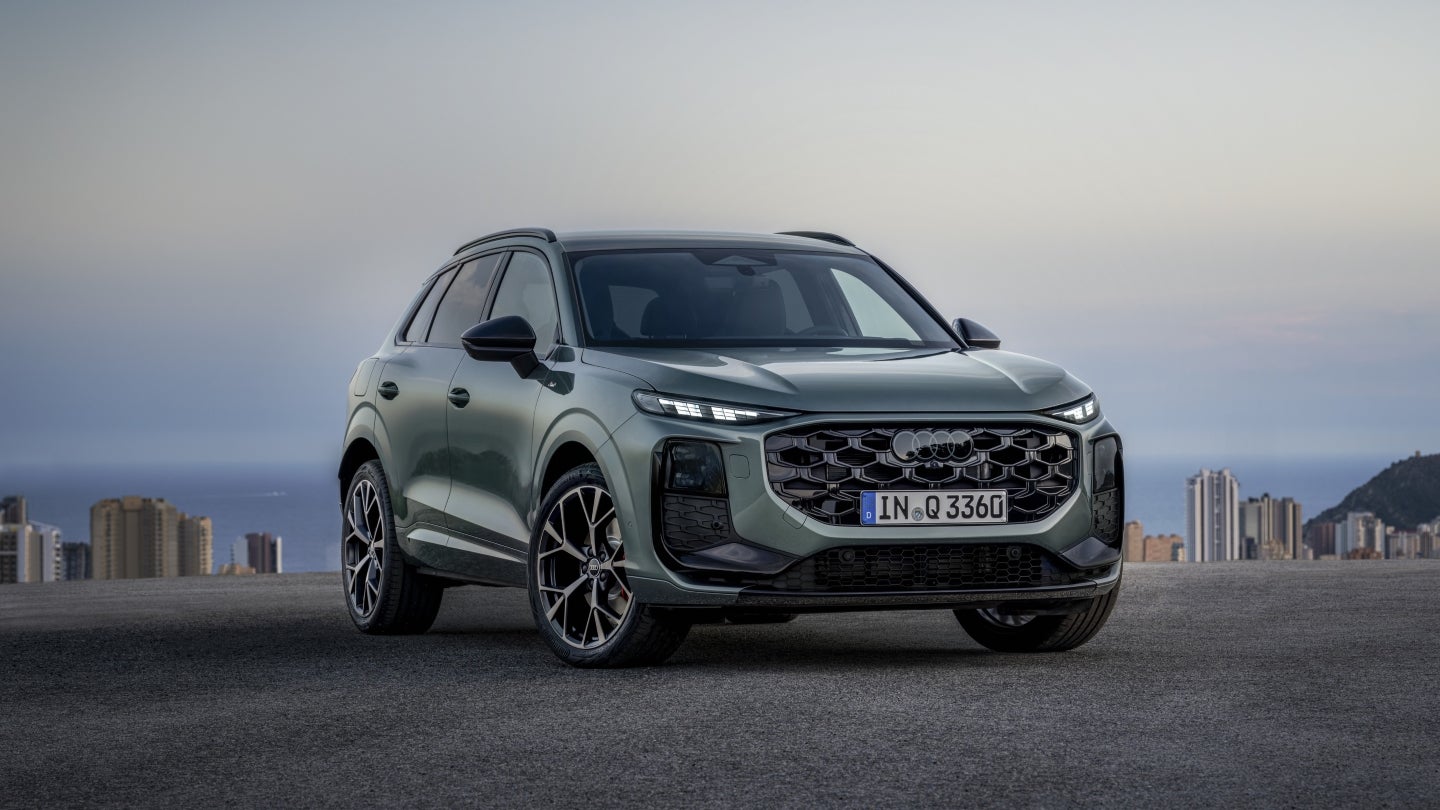
Audi’s Strategic Pivot: Luxury Redefined as A1 and Q2 Exit Stage
POLICY WIRE — Ingolstadt, Germany — The whisper of electric motors, rather than the familiar, comforting thrum of a small internal combustion engine, now increasingly orchestrates Audi’s...

POLICY WIRE — Ingolstadt, Germany — The whisper of electric motors, rather than the familiar, comforting thrum of a small internal combustion engine, now increasingly orchestrates Audi’s strategic direction. Quite a shift, wouldn’t you say? Few in the automotive world — let’s be honest, almost nobody — truly fathomed the luxury German automaker would just pull the plug on two of its more accessible models: the A1 hatchback and the Q2 compact SUV.
Yet, that’s precisely what Ingolstadt has done, quietly ratifying the end of production for both lines. A stark symbol, really, of a luxury brand reasserting its premium identity with the force of a battering ram.
This isn’t merely a production tweak; it’s more like a seismic shift. No, this epitomizes a profound strategic pivot — a head-spinning, almost existential recalibration that underscores the relentless, unyielding pressure on legacy automakers to adapt, not just evolve, to a rapidly electrifying and consolidating market landscape. It’s about supercharging profit margins in a capital-intensive industry, all while navigating the veritable minefield of stringent new emissions regulations. Let’s get real: the math isn’t just stark; it’s a corporate edict. Smaller, lower-margin vehicles simply don’t fit into the future vision of a company laser-focused on upscale electric mobility, like square pegs in a suddenly round, electric hole.
For years, the A1 and Q2, let’s call ’em gateway drugs to luxury, served as crucial entry points into the Audi brand, vehicles that introduced a younger, perhaps less affluent, demographic to those coveted four rings. Their abrupt discontinuation, then, leaves a rather conspicuous lacuna at the lower end of the portfolio. A curious lacuna, indeed. This whole situation invites more than a few pointed questions about Audi’s broader market strategy, doesn’t it?
And yet, Audi CEO Gernot Döllner, though he’s deftly sidestepped any direct commentary on the A1 and Q2, has consistently heralded a definitive move “upmarket” to buttress the brand’s premium position.
“Our future isn’t about volume at all costs; it’s about value and innovation,” Döllner once proclaimed, emphasizing the company’s unwavering commitment to advanced technologies and sustainable practices. “We’re investing heavily in electrification, digitalization, and autonomous driving. That’s where the growth is, and that’s where our north star must lie.”
This isn’t just rhetoric; no, it’s a strategic blueprint. Indeed, the seismic shift away from smaller, more affordable models is a trend reverberating, almost like a siren song, across the entire industry.
Volkswagen Group, Audi’s parent company and a true automotive titan, is vigorously exerting pressure for greater synergy and efficiency across its myriad brands. This often necessitates culling overlapping models or, frankly, those that simply don’t meet aggressive profitability targets. The rationale, should you be wondering, couldn’t be clearer: higher average transaction prices translate to healthier balance sheets, a truly pivotal factor for funding the monumental research and development costs associated with these dizzying EV transitions.
So, consider the data, if you will: global sales of electric vehicles catapulted by a jaw-dropping 35% in 2023, reaching over 14 million units, according to the International Energy Agency (IEA). This explosive growth unquestionably stokes Audi’s decision to double down on its electric portfolio, which currently includes models like the svelte e-tron GT and the much-anticipated upcoming Q6 e-tron. That’s a lot of cars, fast.
But what about markets beyond the traditional European — and North American strongholds, you might ask? Take Pakistan, for instance — a burgeoning market in South Asia often overlooked by global automotive strategies. Overlooked, until now. Here, the luxury segment, while undeniably nascent, shows potent signs of burgeoning potential. For years, premium brands have grappled with the twin challenges of high import duties and a frustratingly limited local manufacturing base.
While an A1 or Q2 might have been a more ‘aspirational’ entry point for some Pakistani consumers (a demographic now left somewhat adrift, one could argue), Audi’s pivot means the region will primarily see their higher-end, often electrified, offerings. It’s a cut-throat strategic calculation that places primacy on global brand perception and chunky profit margins over broad market penetration in specific emerging economies. A tough choice, but that’s business, isn’t it?
Related: Dangote’s East Africa Gamble: A Strategic Play for Energy Independence
“The automotive landscape is navigating its most radical transformation in a century,” opined Oliver Hoffmann, Audi’s Head of Technical Development, in a recent interview. “We’re placing primacy on architectures that allow for seamless integration of electric drivetrains and advanced digital ecosystems. Frankly, some of our older platforms simply don’t offer that flexibility or the profitability mandated for the future.”
His words aren’t just corporate speak; they’re a chillingly transparent window into the intense engineering and brutal financial pressures facing the sector. This strategic move, let’s be frank, raises a natural, even unavoidable, question: who, then, will now serve the premium compact segment? Nobody?
Competitors like BMW and Mercedes-Benz still offer smaller, entry-level models, albeit with a clear, and frankly, relentless, upward trajectory in pricing. Audi’s sudden exit, then, leaves a gaping chasm. One that perhaps other Volkswagen Group brands like SEAT or Skoda might indirectly attempt to fill, though undoubtedly without the coveted Audi badge’s mystique.
What This Means
This isn’t merely a reshuffling of model lines; it’s a momentous, almost audacious, statement about the future of Audi and, by extension, the entire premium automotive segment. Economically, it signifies a laser-like, almost obsessive, focus on profitability per unit, effectively jettisoning the volume-driven strategies of yesteryear. The increased capital expenditure now imperative for electric vehicle development just flat-out necessitates higher returns on every single car sold. It’s a new world, folks.
Politically, it harmonizes Audi more firmly with Europe’s increasingly ambitious emissions targets, positioning them as a bona fide leader in the green transition, even if it means sacrificing some market share at the (now non-existent) entry level. This decision, could absolutely influence other premium automakers, encouraging similar shifts to supercharge returns and accelerate EV adoption. For us consumers, let’s face it, it means the entry barrier to the hallowed Audi brand just got unequivocally higher, potentially pushing those aspirational buyers — the very lifeblood, arguably, of brand loyalty — towards the used markets or, worse, competitor brands. What’s a budding luxury car owner to do?
Related: Global Economic Fallout: Iran Tensions Threaten Mozambique, Rwanda Stability
Ultimately, Audi’s audacious wager on luxury and electrification is, without a doubt, a supremely calculated risk. It unequivocally champions long-term financial health — and brand prestige, eschewing short-term sales volume altogether. If successful — and that’s a big ‘if’, folks — it will cement Audi’s position as an undeniable leader in the premium EV space. If not? Well, the gaping chasm left by the A1 and Q2 might just prove harder to fill than anybody anticipated. The market, however, rarely, if ever, waits for indecision. That’s for darn sure.