


Fever Pitch: Applesauce, Turmoil, and the Unwavering Gaze of WNBA Stardom
POLICY WIRE — Indianapolis, USA — It was not, by any reasonable measure, the most auspicious start to a professional engagement. Forget the bright lights — and the fervent fan base, the tactical...

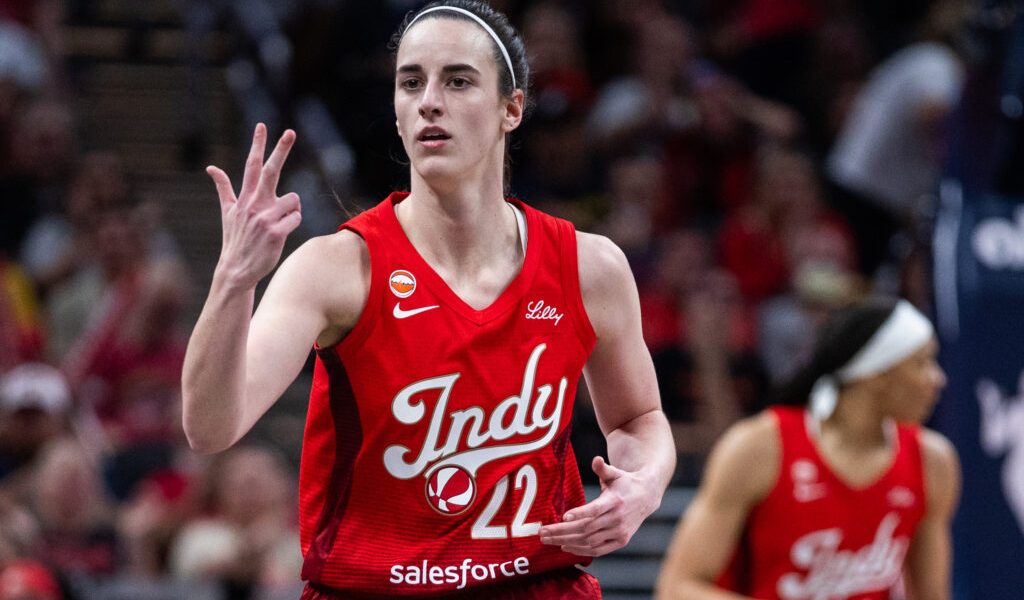
POLICY WIRE — Indianapolis, USA — It was not, by any reasonable measure, the most auspicious start to a professional engagement. Forget the bright lights — and the fervent fan base, the tactical maneuvers, or the sheer athletic prowess on display. Before the Indiana Fever even began to claw back their dignity against the Atlanta Dream, their marquee player, Caitlin Clark, was in the locker room. Vomiting, of all things. Blame it on a dodgy batch of applesauce, we’re told. An inelegant detail, certainly, but one that perhaps inadvertently laid bare the absurd reality of top-tier sports: even a titan can be felled—or at least severely inconvenienced—by a humble fruit puree. And yet, this mundane digestive revolt was arguably a perfect microcosm of the six preceding, drama-saturated days that the Fever, and Clark, had just endured.
The 83-71 triumph over Angel Reese and the Dream on Thursday night was more than just another notch in the Commissioner’s Cup defense; it was a desperate exhale. The win itself wasn’t pretty. But it worked. For Clark, battling a genuinely nasty case of gastrointestinal distress, the effort translated to 17 points, 7 rebounds, and 8 assists in 31 minutes. The kind of stat line that, under normal circumstances, would garner universal applause. Here, however, it merely confirmed the widely held belief that the sky had, in fact, not yet fallen—at least not completely—as some media outlets had breathlessly proclaimed.
Because the win came after a particularly bumpy patch for the Fever, punctuated by a terse sideline exchange between Clark and Head Coach Stephanie White, followed by the requisite closed-door team meeting. All the delightful theatrical elements one expects when a high-profile, heavily scrutinized team isn’t living up to its own (or the public’s) lofty expectations. “I’m gonna say this in the nicest way possible, but hopefully it makes a lot of people just be quiet,” Clark told reporters after the game, a wry exhaustion coloring her tone. “I know there’s always going to be conversation, and I totally respect that, and I always understand that, but the sky is not falling.” She wasn’t wrong. It wasn’t.
But the internal pressure cooker the Fever found themselves in is very real. It’s never easy when the entire world has an opinion on your personal — and professional growth curve. And that kind of intensity isn’t confined to American sports arenas. The fierce, often unforgiving scrutiny that accompanies superstardom knows no borders. Just consider the passionate dissection of every move by a national cricket captain in Lahore or Karachi, where the sport itself often feels like a national religion. The weight of millions of expectations, every slight misstep amplified, the individual performance indistinguishable from national pride—it’s a universally understood, and often crushing, burden.
Amidst the brouhaha surrounding the team’s superstar rookie, Kelsey Mitchell quietly authored her own piece of history. The seasoned pro exploded for 25 points on an efficient 11-for-15 shooting, her performance ensuring that Clark’s less-than-perfect physical state didn’t derail the evening completely. More significantly, Mitchell joined the WNBA’s exclusive 5,000-point club, becoming only the second Fever player ever to do so, following the legendary Tamika Catchings. Mitchell, with her 21.1 points per game average, currently sits third in the league for scoring, according to WNBA official statistics, a testament to consistent excellence even as the media circus whirls around a newcomer. Her calm, consistent firepower is, ironically, the quiet backbone of a team often described as ‘Clark’s Fever.’
“It’s never easy,” stated Stephanie White, the Fever’s head coach, her voice etched with the weariness of a demanding week. “We knew the eyes were on us—they always are. But the grit these players showed, fighting through adversity, both on — and off the court… that’s the real story here. We don’t paper over issues; we address them. And that’s what good teams do, and how you prepare for another hard-fought contest in the league.” A rather succinct assessment, if a little diplomatic, of what could easily have devolved into a genuine locker room meltdown.
📄 POLICY WIRE WHITEPAPER PUBLISHED: PAKISTAN'S NATIONAL SECURITY POLICY PRIORITIES
👉 READ BY CLICKING HEREWhat This Means
This isn’t merely a sports story about one game; it’s a telling snapshot of the brutal economics and amplified anxieties that now define professional athletics, particularly in an era where women’s sports are finally, deservedly, attracting unprecedented commercial and media attention. Caitlin Clark is a brand, a phenomenon, — and a revenue stream. Her struggles, her illness—even her dietary choices, it seems—are not just personal moments; they’re public events with tangible financial and reputational implications for her, her team, and the WNBA itself.
The tension between individual stardom — and team cohesion is always fascinating. Clark’s initial struggles weren’t entirely about her individual play but about fitting a transcendent talent into an existing system, alongside established players like Mitchell who’ve carried the team for years. This friction, the adjustments required, and the very public expressions of those adjustments, speak to the growing pains of a league reaching for new heights. The narrative shifts quickly from triumphant rookie to team leader, from savior to perceived antagonist in an internal drama.
And then there’s the broader political economy of it all. The immediate, sometimes histrionic, media response to a perceived ‘crisis’—an on-court spat, a minor losing streak—highlights the appetite for drama over nuanced analysis. It’s a consumption pattern common across news cycles, where high stakes and individual personalities become the focal points, occasionally eclipsing the grand narrative of competitive sports itself, such as what recently unfolded during the Knicks’ latest run. The Fever’s ability to compartmentalize—or at least to push past—these distractions will define their season far more than any single point total. They’ve bought themselves a temporary reprieve, a chance to breathe, and perhaps, more importantly, a chance to remind everyone that even after a stomach-churning week, some teams just find a way to get it done.