
Dangote’s East Africa Gamble: A Strategic Play for Energy Independence
POLICY WIRE — Nairobi, Kenya — Africa’s long-standing addiction to imported refined petroleum products — that stubborn old beast, wouldn’t you say? — might finally be facing its Waterloo, all...

POLICY WIRE — Nairobi, Kenya — Africa’s long-standing addiction to imported refined petroleum products — that stubborn old beast, wouldn’t you say? — might finally be facing its Waterloo, all thanks to a familiar titan.
Aliko Dangote, the Nigerian industrialist whose very name is synonymous with gargantuan infrastructure and industrial ambition across the continent, is reportedly eyeing up East Africa for his next monumental refinery project.
It’s a move that, if it comes to fruition, promises to replicate the seismic ripple of his gargantuan Nigerian facility, shoving a continent so often yoked to overseas fuel suppliers closer, ever closer, to true energy self-sufficiency.
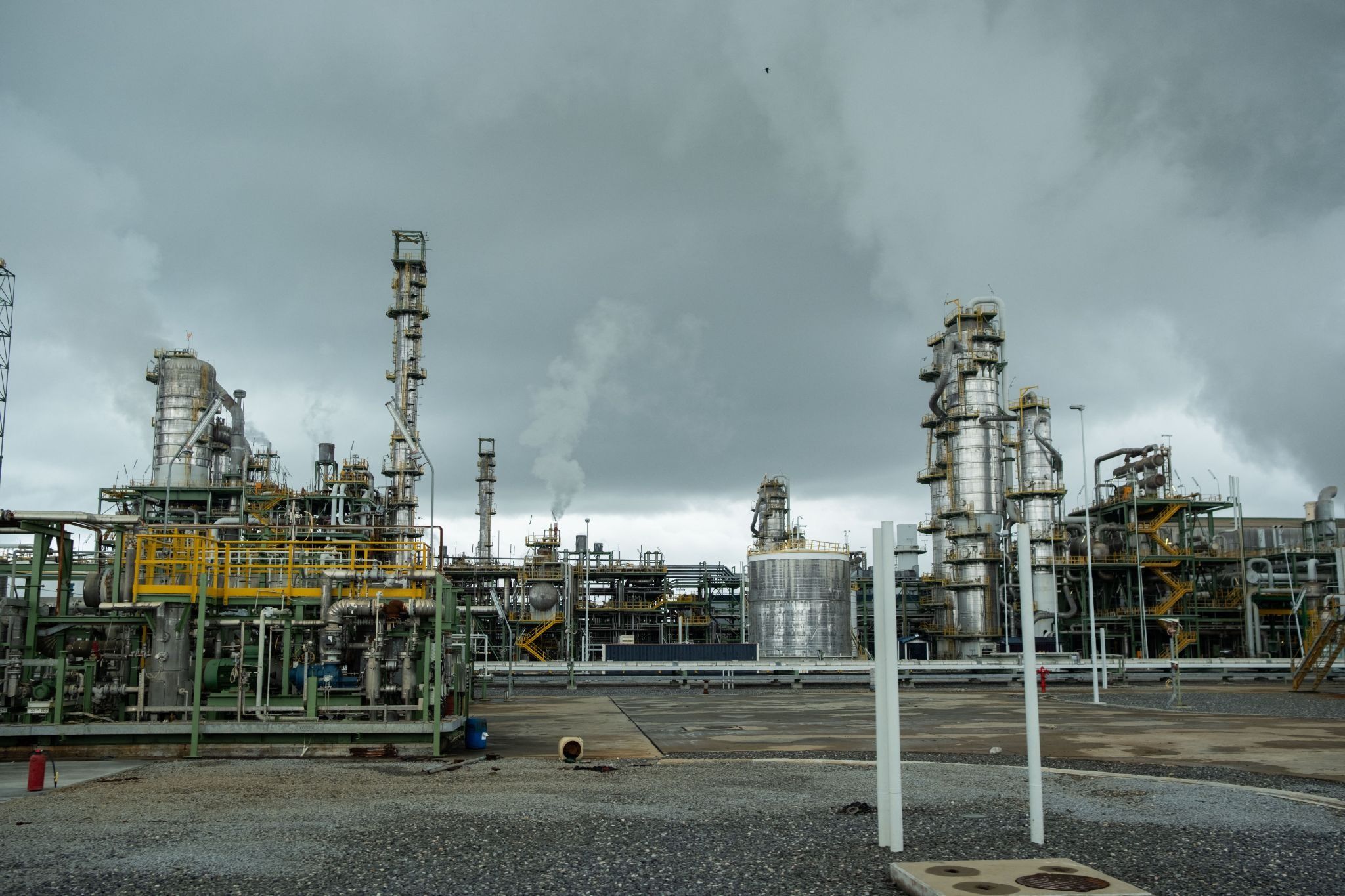
Few outside his inner circle, the folks who actually get to see the man’s next chess move, saw this coming so soon after the inauguration of his Lagos refinery, a project that utterly redefined industrial scale in Africa. But Dangote’s vision, it’s clear, knows no geographical bounds within the continent. Apparently.
The envisioned East African venture, while details frustratingly remain under wraps, is rumored to mirror his Nigerian counterpart in sheer ambition, potentially processing upwards of 150,000 barrels of crude oil per day.
That’s a mind-boggling figure. Truly. For a region still heavily reliant on pricey, often frustratingly unreliable, refined fuel imports.
“Our goal isn’t merely to build infrastructure; it’s about liberating Africa from the economic shackles that bind true growth,” Dangote reportedly stated during a recent private engagement, reflecting a consistent philosophy that underpins his expansive ventures. And he’s proven it, hasn’t he?
The math, it’s stark: Africa, despite possessing considerable crude oil reserves — a real irony, you’d think — still imports roughly 80% of its refined petroleum products, according to a 2023 report by the African Energy Chamber. This vulnerability then translates into higher costs, wildly volatile prices at the pump, and a debilitating drain on foreign exchange reserves. Not good.
For East Africa particularly, a region experiencing rapid urbanization and an almost breathless pace of industrialization, this envisioned refinery represents more than just a facility. It’s a lodestar for job creation, skills transfer, and perhaps, a genuine catalyst for regional economic integration through shared energy resources.
But building such a behemoth isn’t simply about breaking ground, is it? It involves navigating labyrinthine geopolitical currents, securing multi-billion dollar financing that makes your head spin, and fostering robust government partnerships. A tricky business.
And that absolutely matters, especially in a region where global powers — from China, with its ambitious Belt and Road Initiative stretching its tendrils far and wide, to Gulf states keenly eyeing strategic investments — are all furiously vying for influence; a localized, stable energy supply here could truly reshape these intricate dynamics, potentially lowering logistics costs for bilateral trade, much to the benefit of countries like Pakistan, which has long seen East Africa as a key trading partner. It’s a delicate dance.
“We welcome any investment that champions local capacity and ameliorates our reliance on distant markets,” shot back Dr. Amina Mohamed, Kenya’s former Cabinet Secretary for Sports, Heritage & Culture, whose previous portfolios famously included foreign affairs and education, speaking generally on African self-sufficiency projects. “This isn’t just good for East Africa; it’s good for the broader African Union’s agenda of continental economic independence.”
Still, the challenges are daunting. Local competition, genuine environmental concerns, and the ever-present specter of political instability could complicate even the best-laid plans. And yet, Dangote, bless his tenacious heart, has a track record of overcoming such hurdles. You wouldn’t bet against him. So, the smart money’s on Dangote, as usual.
What This Means
This isn’t just another industrial project; it’s a truly consequential strategic play with far-reaching implications, slicing through the usual noise. Economically, it promises to slash import bills for multiple East African nations, thereby freeing up pivotal foreign currency for other critical development initiatives. Politically, it significantly fortifies Africa’s hand in often-cutthroat global energy markets, ameliorating its susceptibility to international price shocks and geopolitical machinations. Diplomatically — and this is big — it could foster far greater regional cooperation as nations potentially tap into a shared resource, much like the East African Community’s ambitious integration goals. A true game-changer, couldn’t you say?
Beyond the immediate region, it sends a resounding signal to international investors about Africa’s flourishing industrial capacity and its unwavering resolve to steward its own destiny. it could significantly alter established trade routes and dependencies, potentially diminishing the role of European and Asian refined product suppliers who currently monopolize the market. Things could get interesting.
This move positions Dangote not merely as a businessman, but as a pivotal architect of African self-reliance on an international stage, no less. “To witness a truly integrated, self-sufficient Africa, we need more than just empty rhetoric; we need tangible projects of this scale,” observes Dr. Kwame Nkrumah Jr., a notable African economic analyst, whose family name itself resonates with the very heartbeat of the pan-African dream. “Dangote isn’t just building refineries; he’s sowing the seeds for a brand-new economic narrative for the entire continent.” And that, my friends, is a story worth telling.