

Albuquerque’s Lindy’s Diner Fights for Survival Amid Structural Woes, Community Rallies
POLICY WIRE — Albuquerque, New Mexico — For a century, its neon glow has lured patrons from every walk of life, a steadfast culinary beacon on Fourth Street. But the familiar comfort of Lindy’s...

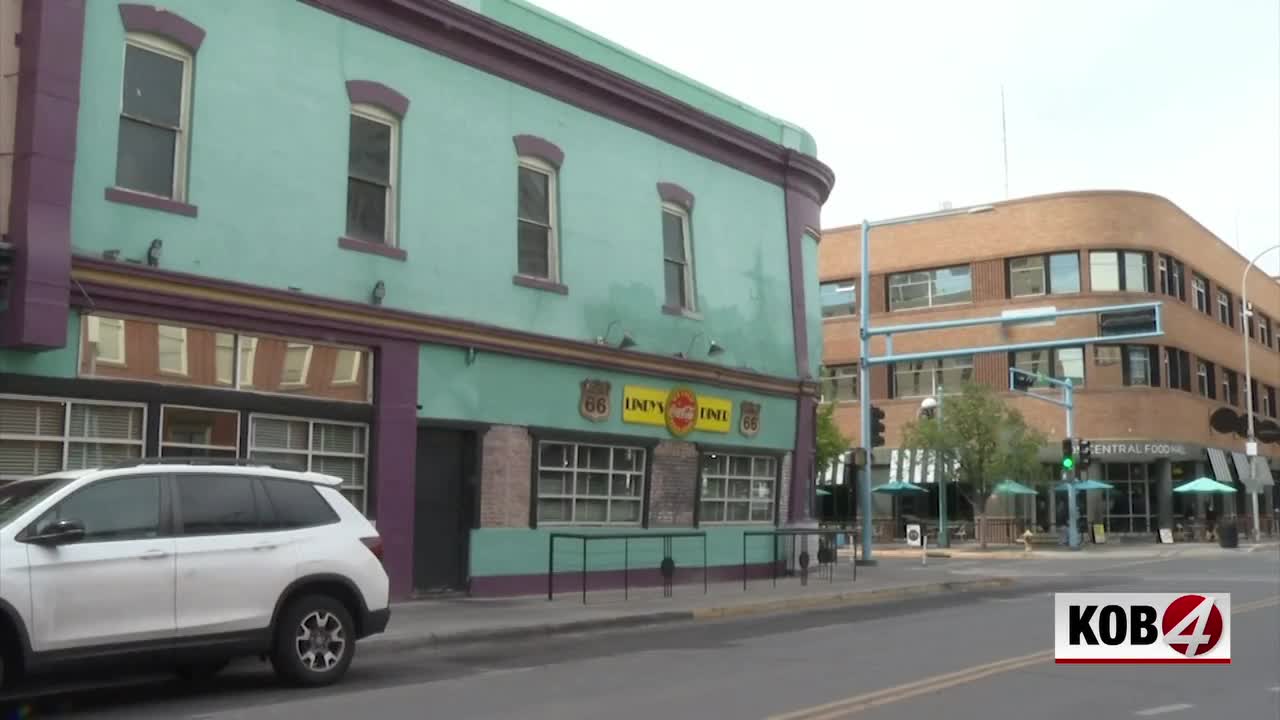
POLICY WIRE — Albuquerque, New Mexico — For a century, its neon glow has lured patrons from every walk of life, a steadfast culinary beacon on Fourth Street. But the familiar comfort of Lindy’s Diner, a true Albuquerque institution, evaporated from the city’s landscape last week, leaving behind a void far larger than its modest footprint suggests. It’s a gut punch.
City inspectors, citing severe structural concerns, issued a red-tag, effectively padlocking the beloved establishment. The abrupt closure, over fears the venerable 100-year-old building could actually just, you know, collapse — has plunged its longtime owners into an unforeseen crisis, threatening to extinguish a piece of the city’s very soul.
Still, Albuquerque isn’t letting Lindy’s go without a fight. A grassroots fundraising campaign has swiftly emerged, aiming to secure the hefty funds needed for critical repairs, navigate the byzantine city permitting processes, and ultimately, reopen those iconic doors. Because, frankly, who wants an Albuquerque without Lindy’s?
And yet, as of Friday morning, the community’s nascent GoFundMe effort had gathered just over $1,000. While a heartfelt start, it’s a stark reminder of the immense financial hurdle facing Lindy’s proprietors. A drop. In a very large bucket.
Few local businesses carry the weight of a city’s collective memory quite like a classic diner. They’re more than just eateries; they’re time capsules, storehouses of countless conversations, milestones, and daily rituals. For families like the owners of Lindy’s, this isn’t merely a commercial enterprise; it’s a legacy, a life’s work deeply woven into the fabric — the very DNA — of their community.
“This place isn’t just a business; it’s a century of stories, of first dates and last meals,” lamented Maria Rodriguez, whose family has operated the diner for decades, in a phone interview. “We’re fighting not just for our livelihood, but for a piece of Albuquerque’s soul. It’s truly heartbreaking to see it closed, — and our lives have been turned upside down.”
Behind the headlines of immediate crisis lies a common urban conundrum: how do cities balance the preservation of historical landmarks with ever-evolving safety standards and the economic realities faced by small, independent businesses? It’s a delicate dance municipal authorities and small business owners perform daily, like a tango on a tightrope, across the globe.
Consider the myriad challenges. Many older buildings, particularly those without significant protective designations, often struggle to meet modern building codes without wallet-gaping overhauls. This isn’t just an American phenomenon; from Karachi’s bustling food streets to Istanbul’s historic bazaars, small, often family-run establishments grapple with similar issues—trying to maintain their heritage while adhering to contemporary regulations—a universal architectural headache, if you will.
the cost of commercial renovations can be stratospheric. The National Trust for Historic Preservation reports that rehabilitating historic commercial buildings, while culturally beneficial, can often exceed new construction costs by up to 20% due to specialized materials and techniques required to maintain authenticity. That’s a lot of dough, folks.
Indeed, that’s a significant financial burden for any small business, let alone one that’s just been forcibly shut down. Local city councilwoman Elena Ramirez conceded the complexity of the situation. Who would’ve thought preserving history was so darn complicated?
“Safety regulations exist for a reason, especially with structures as old as Lindy’s,” Councilwoman Ramirez told Policy Wire. “Our goal isn’t to shutter beloved institutions, but to ensure they can operate safely for generations to come. We’re keen to work with the owners — and the community to find viable solutions.”
This saga echoes broader discussions about urban identity — and the role of long-standing cultural institutions. What happens when the physical structures that house our shared memories begin to crumble? Does a city lose a part of itself when these places disappear? Is a city still truly itself once its culinary anchors, the very flavor of its past, are gone?
What This Means
So, the plight of Lindy’s Diner isn’t merely a local interest story; it’s a microcosm of the systemic pressures confronting independent businesses in historic districts nationwide. It underscores the precarious balance between civic responsibility for public safety and the fervent desire to preserve cultural heritage—a tightrope walk with nostalgia on one side and liability on the other.
Politically, the situation puts pressure on city officials to demonstrate flexibility and support without imperiling safety. Economically, the loss of such an anchor can have ripple effects, dwindling foot traffic for neighboring businesses and eroding the unique character that attracts tourism and investment. Seriously, this stuff matters.
And socially, the community’s rally for Lindy’s highlights the profound emotional connection people form with these spaces. It’s a testament to the idea that some businesses are far more than just profit centers; they’re cornerstone community hubs, often serving as neutral ground where people from diverse backgrounds can connect. You just don’t get that at a chain.
Related: Gathering of Nations Powwow Bids Farewell to Expo New Mexico, Sparks Legacy Debate
But ultimately, the challenge for Albuquerque, and for countless other cities, lies in crafting forward-thinking policies that both celebrate and financially support the upkeep of these indispensable historic businesses. As Dr. Aruna Patel, an urban anthropologist at the University of New Mexico, recently observed, “A city loses more than just a building when a place like Lindy’s closes; it loses a vital part of its collective memory, its unique flavor. The real test now is to balance that profound cultural value with the very real costs of maintaining historical integrity, before more of these irreplaceable landmarks fade into history.”