


The Digital Crossroads: When Loyalty to Your Old Tech Becomes a Fiscal Liability
ALBUQUERQUE, N.M. — The machine hums—or rather, groans—its protest a constant backdrop to an increasingly digitized existence. We've all been there: that moment you realize your trusty laptop, a...

ALBUQUERQUE, N.M. — The machine hums—or rather, groans—its protest a constant backdrop to an increasingly digitized existence. We've all been there: that moment you realize your trusty laptop, a veteran of countless internet skirmishes and spreadsheet battles, has devolved into little more than a paperweight with a backlight. But its slow, agonizing decay isn't just an annoyance; it’s a symptom, a signal of broader economic currents and the ever-shifting sands of technological relevance.
It used to be a simple proposition: computer breaks, you buy another computer. Not anymore. Now, the choice isn't just between PC or Mac; it's between an ecosystem of devices, each vying for your attention—and your wallet. A viewer, Pat, recently distilled this quandary, posing a question that many of us likely ponder in quiet exasperation: [QUOTE_PLACEHOLDER] he asked, laying bare the existential crisis of modern tech consumption. He doesn't use his computer like he used to, he admitted. And that, frankly, is the crux of it, isn't it?
We're past the era where every home needed a tower PC dominating a desk. Those days are gone, lost somewhere between dial-up internet — and floppy disks. Today, the demands are different, leaner, more agile. For many, that weighty, complex machine has become overkill. It's like owning a monster truck when all you do is grocery runs—wildly inefficient, but steeped in habit.
Consider the humble iPad, once a novelty, now a potent contender. It's transcended its role as a mere consumption device, blossoming into a surprisingly capable workstation for the unburdened. Indeed, New iPads can do most of what we need computers to do these days: [QUOTE_PLACEHOLDER] And for what cost? Less than a traditional computer, [QUOTE_PLACEHOLDER] Pair that with Apple’s Magic Keyboard for [QUOTE_PLACEHOLDER] and you've got a pretty compelling, if premium, mobile office. But this combination gets you near the base price point of Apple's refreshed MacBook Neo, which [QUOTE_PLACEHOLDER] and brings with it [QUOTE_PLACEHOLDER] Decisions, decisions.
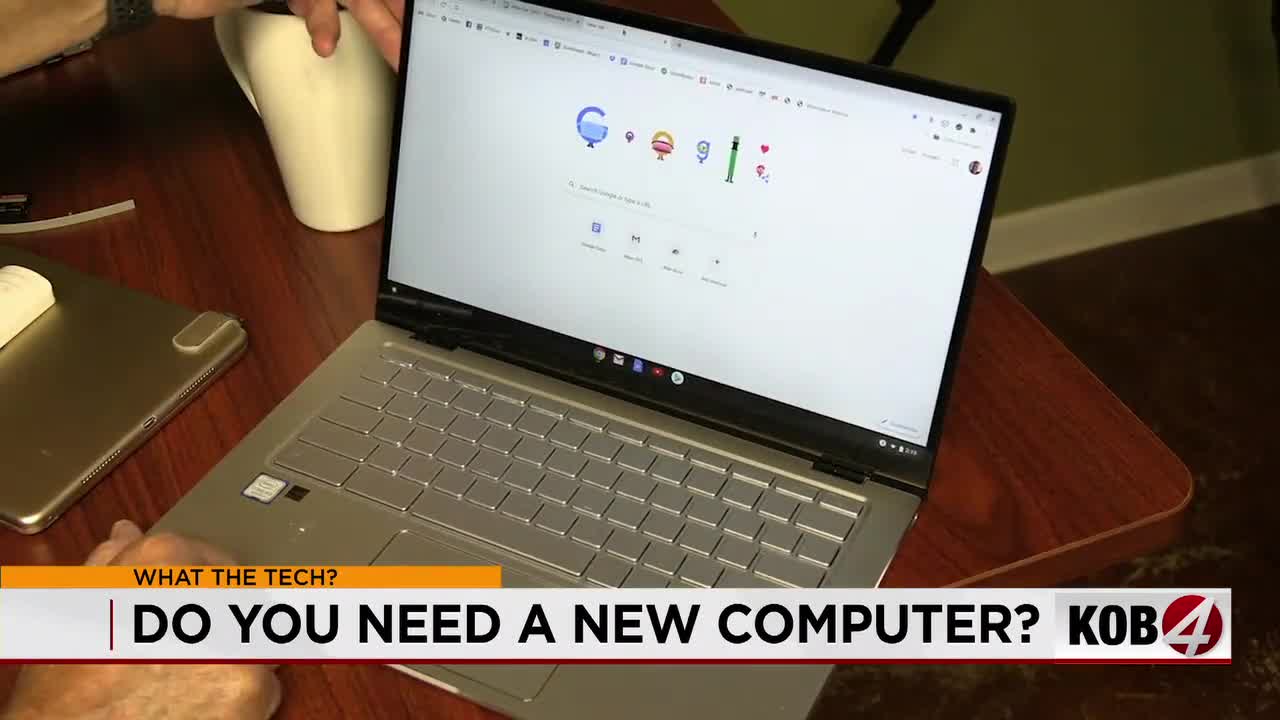
But wait, there’s another player in this economic theatre: Google Chromebooks. These laptops are not burdened by traditional Windows or Mac software. Instead, [QUOTE_PLACEHOLDER] For someone primarily engaging in [QUOTE_PLACEHOLDER] a Chromebook is an often-overlooked hero, capable of saving you a tidy sum. Chromebooks themselves are a range, available for [QUOTE_PLACEHOLDER] Compare that with the [QUOTE_PLACEHOLDER] and the price distinction becomes clear, doesn't it? It's a stark reminder that sheer computing power often outweighs actual utility for the average user.
So, why fork over cash for a full-blown laptop or desktop in this day — and age? The answer, as always, lies in usage patterns. These are the tools for [QUOTE_PLACEHOLDER] They're for the power users, the creatives, the folks whose digital lives demand a deep dive into complex applications rather than a casual surf. If you've got Windows software you can't live without, then yes, [QUOTE_PLACEHOLDER] Otherwise, the world has opened up considerably. But here's the kicker, the crucial thought before you surrender your credit card: [QUOTE_PLACEHOLDER] Was it intricate video editing? Or just plain old [QUOTE_PLACEHOLDER] If it was the latter, take heart, [QUOTE_PLACEHOLDER] A substantial sum, even. A recent analysis by Statista indicates that as of 2023, the average disposable income per capita in Pakistan, for example, hovers around $1,500 USD annually; such a significant investment isn't taken lightly when device prices range from $300 to upwards of $700. These choices ripple far beyond mere convenience.
What This Means
The evolving landscape of personal computing isn't just about gadgets; it's a fascinating barometer of economic trends and societal adaptation. The decline in the perceived necessity of high-end desktop machines reflects a broader shift towards utility-driven consumption, especially in regions with emerging digital economies. Countries across South Asia, for instance, are increasingly leveraging affordable mobile-first solutions to bridge digital divides. A low-cost Chromebook or a basic tablet can represent an entire family’s gateway to education, commerce, and global connectivity—an opportunity that a $1000+ machine would price out for countless millions.
From a policy standpoint, this fragmentation of the device market opens intriguing avenues for digital inclusion. Governments and NGOs, particularly in the Muslim world, could strategically subsidize entry-level tablets or Chromebooks, fostering widespread internet access and skill development. It’s an economic argument: lower barriers to entry mean higher participation, potentially accelerating digital literacy and e-commerce adoption. And you know, that's vital for any nation looking to compete in a rapidly digitizing global marketplace.
Conversely, the obsolescence cycle, exacerbated by companies like Microsoft discontinuing support for older systems—a prime motivator for our viewer Pat—highlights the often-unseen social cost of forced upgrades. Many individuals, especially in economically constrained areas, rely on decade-old machines, clinging to functionality long past their official end-of-life. These software discontinuation policies, though framed as security measures, indirectly contribute to a digital waste stream and impose a financial burden on those least able to afford it. It's a quiet struggle, but one with tangible consequences for everyday people simply trying to stay connected. For many in countries like Pakistan, keeping an old machine running with Linux is less a technical choice and more an economic imperative.
The consumer, however, ultimately holds the cards here. We're seeing a maturing of tech decisions, moving away from 'most powerful equals best' to 'most suitable equals best value.' This nuanced approach has significant political implications too, signaling a greater public awareness of tech lifecycles, data privacy, and digital autonomy. After all, if everything you need lives in the cloud, device loyalty becomes less about hardware specs and more about subscription models—a whole different can of worms, wouldn't you agree? For more insights into how economic currents reshape the tech world, consider this piece on global economic rebounds.