


Asphalt’s Slow Rot: Edgewood’s Road Repairs Reflect a Deeper, Costly Inconvenience
POLICY WIRE — EDGEWOOD, N.M. — The grind of pavement decay, an inevitable fact of life under tires and weather, once again descends upon Edgewood, New Mexico. But it’s not just a four-mile...

POLICY WIRE — EDGEWOOD, N.M. — The grind of pavement decay, an inevitable fact of life under tires and weather, once again descends upon Edgewood, New Mexico. But it’s not just a four-mile stretch of crumbling asphalt on NM-344 getting a facelift; it’s a stark, rather expensive reminder of a ceaseless battle waged by every state government: maintaining the very veins of commerce and community against the twin foes of time and underfunding.
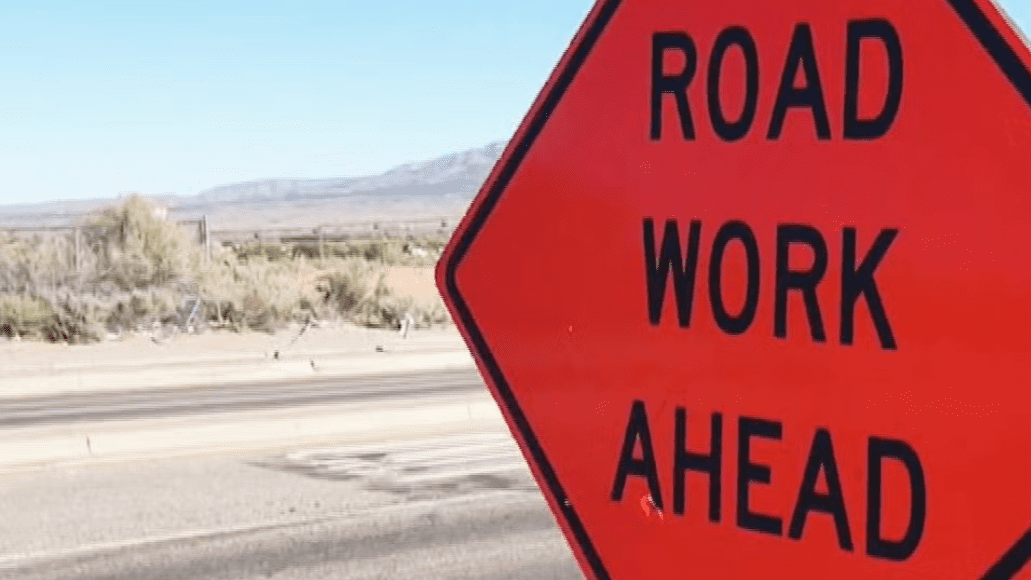
Beginning this Friday, folks commuting through this modest chunk of New Mexico should brace themselves for a month-long exercise in patience. Contractor Cutler Repaving, Inc., is rolling out its machinery, ready to strip away a tired layer of blacktop between milepost 5 and milepost 9. Then they’ll lay down the fresh stuff. It’s a prosaic endeavor, really—until you consider the larger narrative, the silent hum of policy failures and successes that underlies every shovel full of gravel, every diverted truck.
This isn’t just about an inconvenience. It’s about infrastructure, sure, but also about public trust and the perennial question of where, precisely, our tax dollars vanish. The New Mexico Department of Transportation (NMDOT) projects crews will wrap things up by June 1, weather permitting. But anyone who’s ever waited in a construction zone knows “weather permitting” is often bureaucratic shorthand for “we’ll get there when we get there.” They’ll be at it Monday through Saturday, from 7 a.m. to 7 p.m., traffic funneled into a single lane, piloted by those cheerful-ish cars—a familiar tableau of necessary disruption.
And NM-344? It’s not some obscure back road. It’s the essential connective tissue between the bustling Interstate 40 and the scenic-but-slower New Mexico Highway 14, affectionately known as the Turquoise Trail. You can’t just wish this road away, can’t pretend it’s not a working piece of critical transit. Because it’s. It ties Edgewood to a broader world, facilitating everything from commerce to the occasional tourist jaunt. Ignoring its disrepair simply wasn’t an option.
“We understand the inconvenience, truly, but these investments are non-negotiable,” stated Manuela Pacheco, NMDOT Secretary, in a recent press briefing. “It’s about safety, economy, — and quite frankly, basic quality of life for our citizens. You can’t build an economy on cracked foundations.” Her words carry a ring of truth, but they don’t ease the frustration of those sitting in traffic. But who would argue against fresh asphalt? Well, plenty of people when it’s their road, their time.
Mayor Eleanor Vance of Edgewood, speaking candidly, reflected the local sentiment: “It’s always a bittersweet moment. You need the repair, absolutely. But try telling that to someone stuck in traffic, late for work or missing a soccer game, wondering if their taxes ever really go where they’re supposed to go. They’ve got a right to wonder, don’t they?”
The tab for this particular patchwork? A cool 1.5 million dollars, according to the NMDOT’s public disclosures. A sum that, while significant locally, is but a whisper in the grand chorus of national infrastructure deficits. Consider, for instance, that a 2021 report by the American Society of Civil Engineers graded U.S. infrastructure a C-minus, estimating a $2.6 trillion investment gap by 2029. We’re constantly patching holes—and that’s the expensive way to build anything. Just ask Pakistan, where infrastructure struggles often dwarf ours, with foundational projects often competing against far more pressing societal needs and geopolitical shifts that dictate funding priorities from the ground up, not just for a few miles of road.
They’ve got their own struggles, perhaps less visible to the average Edgewood commuter, but no less profound. From the intricate challenges of securing consistent energy for manufacturing to the very real concerns of human rights and systemic failures, these parallel worlds of developing and developed nations find common ground in the universal, often infuriating, reality of crumbling roads and infrastructure demands. We’re all in this boat, just sailing different oceans, aren’t we?
What This Means
This Edgewood project, a seemingly small regional matter, serves as a poignant micro-example of macro policy dilemmas. Politically, every dollar spent on a repaved road is a dollar not spent on, say, education, healthcare, or combating rising crime. Because budgets aren’t infinite. It forces legislators and state agencies to continually make unenviable choices, often between preventative maintenance and more immediate crises—a classic political Catch-22. The optics of letting roads crumble while funding other initiatives are disastrous, but so is appearing to neglect those other issues in favor of tarmac.
Economically, neglected infrastructure is a hidden tax on everyone. Shipping costs rise, vehicle maintenance bills soar for individual citizens, and commute times bloat, siphoning away productive hours. In Edgewood’s case, while the cost is clear, the benefit comes with temporary pain. Longer term, a smoother NM-344 could slightly ease freight flow and tourist access to the Turquoise Trail, a regional draw. But this is a never-ending cycle. Without a sustainable, comprehensive, and proactive infrastructure strategy, states like New Mexico will forever be playing whack-a-mole with their roadways. This reactive approach isn’t sustainable—economically or politically. It just kicks the can down a perpetually potholed road, sometimes even one that’s part of broader economic initiatives in arid landscapes.