


Fortuitous Fault Line: Hairline Crack, Saved City?
POLICY WIRE — Karachi, Pakistan — For once, bad news somehow twisted itself into good. The hairline fracture discovered last Tuesday on a colossal ammonium nitrate tank in the city’s Port Qasim...

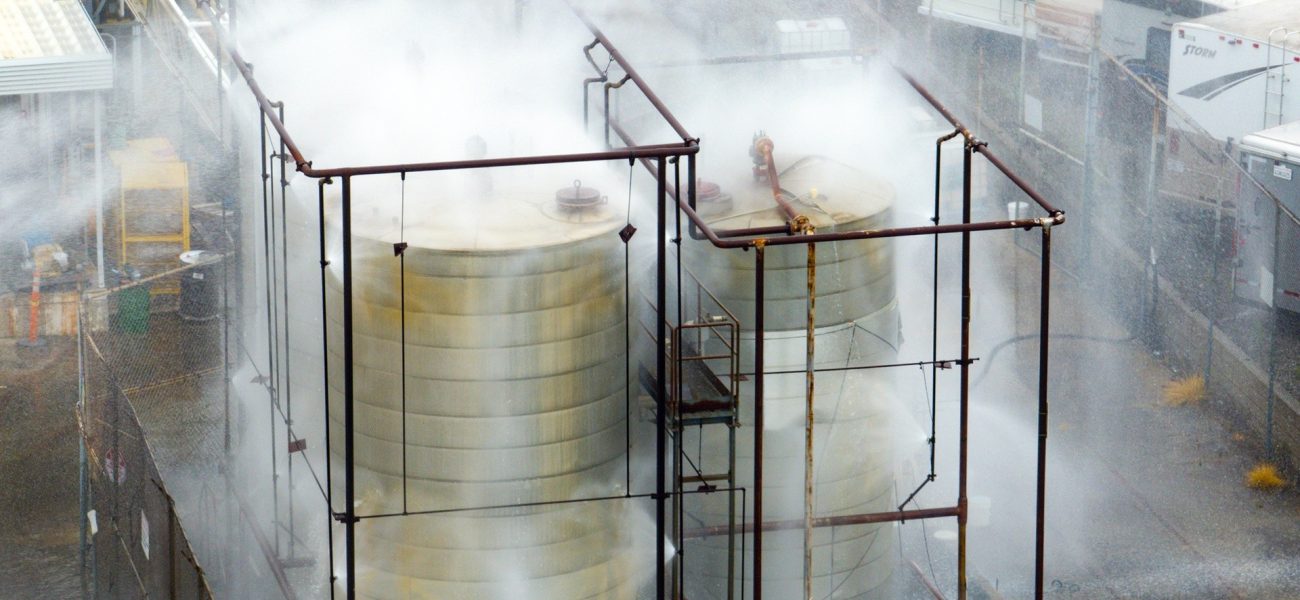
POLICY WIRE — Karachi, Pakistan — For once, bad news somehow twisted itself into good. The hairline fracture discovered last Tuesday on a colossal ammonium nitrate tank in the city’s Port Qasim industrial complex didn’t trigger alarms about impending disaster, at least not in the usual way. Instead, it seems a quiet sense of bewildered relief has settled over the bureaucratic maze that oversees such volatile assets. Turns out, this minuscule breach — previously dismissed as cosmetic — might just have spared untold devastation.
It’s a peculiar twist, this narrative of a nearly fatal flaw turning into an improbable safety mechanism. Imagine that. Local authorities, initially bracing for a crisis, now concede the structural defect had effectively depressurized the aging vessel ever so slightly, mitigating the volatile chemical’s capacity for sudden, catastrophic combustion. A stroke of sheer, improbable luck, really, or perhaps just a reminder of the universe’s often darkly humorous interventions. Nobody planned for this—of course they didn’t. They never do.
The tank, one of many lining the teeming industrial waterfront, holds thousands of tons of ammonium nitrate—a compound notorious for its dual role as both a crucial fertilizer and, under specific conditions, a spectacularly destructive explosive. We’ve seen its malevolent power unleash havoc from Beirut to Texas. So the mere existence of a crack in such a container would normally send shivers down the spine of any sensible safety official. But this crack, they’re now saying, was a pressure valve of sorts. [QUOTE_PLACEHOLDER]. They’ve called it unprecedented.
Engineers, inspecting the facility as part of a routine—though often delayed, one might cynically add—safety audit, first flagged the anomaly months ago. Early assessments, notoriously opaque, labeled it [QUOTE_PLACEHOLDER], — and relegated it to a minor repair list. That judgment, by some quirk of fate, bought the city time. But it also highlights a chilling pattern of oversight and neglect prevalent across similar industrial zones in South Asia. You can’t help but wonder how many other ticking time bombs masquerade as mere structural quirks. This particular tank, they say, had been due for a comprehensive overhaul years ago.
And it gets grittier. Consider the densely packed residential areas mere kilometers from these industrial leviathans. People live there. They raise families. The potential for a repeat of, say, the 2020 Beirut port explosion, which killed over 200 and left hundreds of thousands homeless, is a perpetual, unspoken fear for millions in cities like Karachi. It’s a city that already battles an uphill fight against a deteriorating infrastructure and unpredictable political currents, often grappling with the very basics of urban management. This latest revelation merely peels back another layer of that existential precariousness. Because life carries on, doesn’t it, right next to all that latent danger.
But how do we quantify this negligence, this peculiar brand of bureaucratic roulette? According to a recent report by the UN Industrial Development Organization (UNIDO) in 2022, industrial accidents in developing nations accounted for over 70% of global industrial fatalities, often linked directly to lax safety regulations and aging infrastructure. That’s a staggering figure—an indictment, really, of how critical industrial safety remains a lower priority than quarterly profits or expedient shortcuts. What’s often viewed as a cost-cutting measure becomes, paradoxically, a systemic vulnerability waiting for its moment to reveal itself.
📄 POLICY WIRE WHITEPAPER PUBLISHED: PAKISTAN'S NATIONAL SECURITY POLICY PRIORITIES
👉 READ BY CLICKING HEREThe incident also opens up a discussion about how geopolitical pressures can exacerbate domestic vulnerabilities. Nations like Pakistan, perpetually navigating a complex regional landscape, often find resource allocation diverted to pressing security concerns or economic stabilization, leaving industrial safety initiatives underfunded and overlooked. The balance is always delicate. You see a similar struggle across the subcontinent—it’s a brutal choice. It’s why incidents that might raise an eyebrow in a developed nation often represent profound systemic failures elsewhere. It’s why a cracked tank becomes a weird sort of salvation. There’s a link to how these delicate balances impact daily life in the broader region, whether it’s through infrastructure crumbling under pressure or communities facing existential threats. They’re all connected.
Now, the authorities are doing what authorities do. They’re promising investigations. They’re promising renewed scrutiny. [QUOTE_PLACEHOLDER]. The facility is currently under restricted access, its operations suspended while experts scramble to understand the crack’s true impact and formulate a remediation plan. Because one day, luck will inevitably run out. You can’t rely on a metal fatigue acting as a fuse. And what then? What about the next one? It’s a sobering question that reverberates beyond Karachi’s industrial fringes, reaching other major urban centers across the Muslim world and developing economies alike, wherever the specter of industrial accidents looms large against the backdrop of burgeoning populations and the desperate need for economic growth. There are other forms of political hazards looming, as we saw with the recent security crisis following a deadly blast.
What This Means
This episode, bizarrely positive as its immediate outcome seems, shines an uncomfortable spotlight on systemic industrial safety failures in rapidly industrializing regions, especially within South Asia. Economically, the cost of thorough, proactive maintenance often gets sacrificed at the altar of quick returns and competitive pricing, leaving both lives and livelihoods precariously balanced. Governments, perpetually battling fiscal constraints and public sentiment, often find themselves in a reactive posture rather than a preventative one. For a nation like Pakistan, where foreign investment and trade are critical, incidents like this—even averted disasters—can erode international confidence, potentially deterring partnerships and slowing growth. It’s a tacit acknowledgement that a significant proportion of the critical infrastructure supporting these economies operates with an inherent, dangerous fragility. Politically, the discovery creates an opportunity, however cynically delivered, for reformist voices to push for stricter regulatory enforcement and greater accountability, a narrative that seldom gains traction without a proximate threat. But then again, the political will often evaporates once the immediate crisis has passed. That’s the predictable pattern, isn’t it?