

New Mexico’s Arid Gambit: Wind Farm Bet Pays Off for Public Schools and Energy Future
POLICY WIRE — SANTA FE, N.M. — The silent, persistent whisper of the desert wind has long shaped New Mexico’s stark, beautiful landscape. Now, it’s poised to reshape its public coffers,...

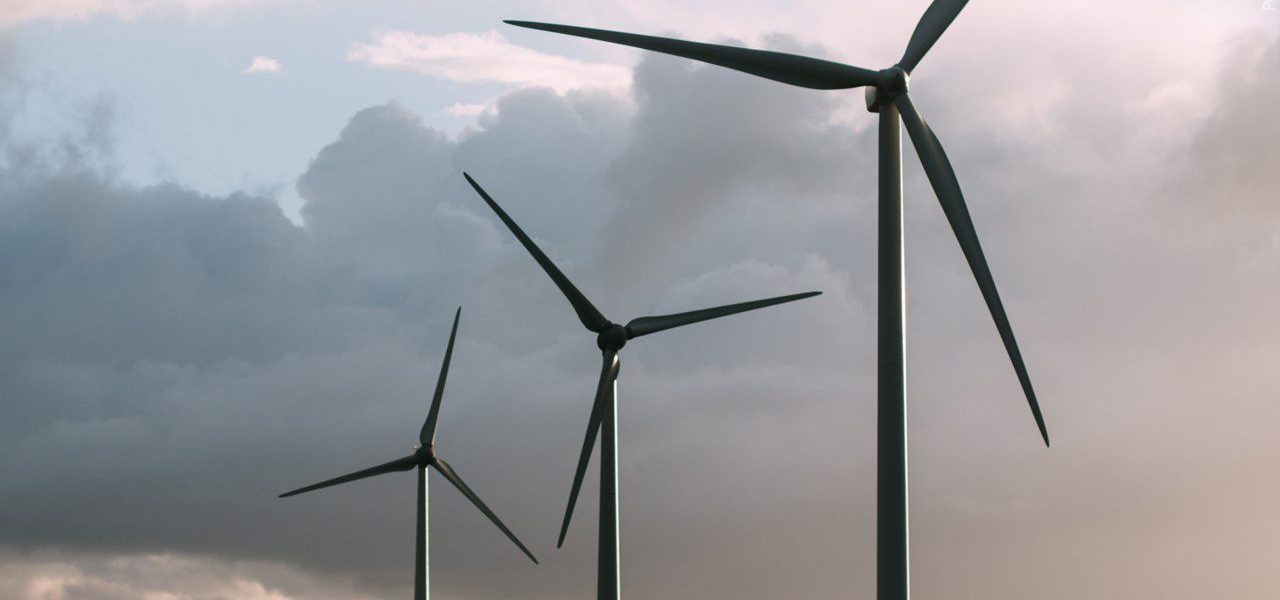
POLICY WIRE — SANTA FE, N.M. — The silent, persistent whisper of the desert wind has long shaped New Mexico’s stark, beautiful landscape. Now, it’s poised to reshape its public coffers, too, as a colossal new wind farm project in Torrance County threatens to inject nearly a hundred million dollars into the state’s beleaguered school system. It’s an economic boon, certainly, but more fundamentally, it represents a calculated gamble – a state turning its elemental resources into a hedge against an uncertain future.
No grand, ribbon-cutting ceremony marked the moment; instead, it was a more prosaic affair: the signing of a long-term accord between New Mexico Land Commissioner Stephanie Garcia Richard and AFE Cedarville Wind, LLC. This pact, forged on the heels of a public auction that saw the lease right acquired for a tidy $340,000, earmarks 10,160 acres of state land for renewable energy development. The sheer scale is noteworthy, yet the financial implication for public education — a projected $98.9 million over the project’s lifetime — is arguably the more compelling narrative. And it’s a story of intentionality, of a deliberate pivot towards an often-overlooked asset.
Commissioner Garcia Richard didn’t mince words, underscoring the shift in gubernatorial strategy. “We’re not just powering ahead; we’re fundamentally redefining New Mexico’s role as a leader in renewable energy,” she opined, clearly relishing the paradigm shift. “Before my tenure, state lands were largely an untapped reservoir for clean energy. That’s changed, hasn’t it? Renewable companies now know this office is the indispensable nexus for such endeavors.” She pointed to job creation in rural communities and the “long-lasting revenue streams” this project – capable of generating an estimated 212 megawatts – will manifest for schools and other public institutions.
Behind the headlines, this latest undertaking fits snugly into a broader, more aggressive strategy. When Garcia Richard assumed office, New Mexico’s state lands hosted approximately 400 megawatts of renewable energy under lease. Today, that figure has ballooned to an astonishing 3,271 megawatts of wind and solar capacity, as reported by the New Mexico State Land Office – a testament to the state’s amplified commitment. This represents a seismic increase in both capacity and lease agreements, climbing from a mere 12 to 56 during her watch. It’s not just a marginal uptick; it’s a wholesale reorientation of state resource management.
But not everyone views the burgeoning wind turbine fields with unbridled enthusiasm. Critics often point to the visual impact on pristine landscapes or potential environmental trade-offs, even for ‘green’ energy. Dr. Arman Khan, an environmental policy expert with ties to arid-land development initiatives across South Asia, offered a more cautious perspective during a recent symposium. “While the economic incentives are undeniable, states like New Mexico – much like regions in Pakistan or the Arabian Peninsula contemplating similar large-scale projects – must continually weigh the immediate gains against the long-term ecological footprint and cultural preservation,” he cautioned. “It’s a delicate balance, this pursuit of prosperity through landscape transformation.” Such projects, he suggests, necessitate a holistic view that transcends mere revenue generation, demanding careful attention to biodiversity and local community integration.
The state’s embrace of wind power isn’t merely an environmental gesture; it’s a canny fiscal maneuver. Think of it: rural communities, often struggling with depopulation and economic stagnation, stand to gain significant employment opportunities, both during construction and ongoing maintenance. This isn’t just about abstract megawatts; it’s about electricians, technicians, logistics experts – real jobs in places that desperately need ’em. And it’s about providing stable, non-tax revenue to a public education system that, like many across the nation, often finds itself navigating the perpetual tightrope of funding shortfalls.
This initiative, therefore, isn’t just about New Mexico; it’s a microcosm of a larger global trend. Developing nations, from Pakistan to Morocco, are eyeing similar wind and solar ventures not only for energy independence but also as engines of rural development and national revenue. The arid plains of New Mexico, much like the vast deserts of Balochistan, offer immense, often unheralded, potential for clean energy generation. Still, the complexities of land ownership, community consent, and infrastructural investment remain formidable hurdles, regardless of geography. The bureaucratic dance, it seems, is universal.
What This Means
This substantial wind farm agreement transcends a mere energy deal; it’s a pivotal moment for New Mexico, signaling a deepened commitment to renewable energy and a shrewd strategy for public funding. Economically, the infusion of nearly $100 million into public schools represents a transformative, long-term revenue stream, potentially stabilizing budgets and fostering educational advancements that have historically been vulnerable to economic cycles. This project, alongside others, solidifies the state’s position as a renewable energy hub, attracting further investment and talent.
Politically, Commissioner Garcia Richard has cemented her legacy, demonstrating how state land offices can evolve from passive custodians to active drivers of economic and environmental policy. It’s a clear repudiation of older, more extractive models, positioning New Mexico as a forward-thinking state — a crucial adaptation in a parched policy future. However, this aggressive expansion could also ignite debates about land use planning and environmental impact on a larger scale, particularly concerning viewsheds and potential effects on wildlife corridors. The state’s ability to manage these burgeoning energy zones while preserving other ecological and cultural values will be its next significant challenge. It’s an interesting interplay of progress — and preservation, isn’t it?