


As Hummingbird Fire Hisses, A Glimpse into the West’s Arid Future
POLICY WIRE — CATRON COUNTY, N.M. — The scent of burning piñon and juniper still clings to the arid New Mexico air, a constant, acrid reminder that even partial victories in the relentless war...

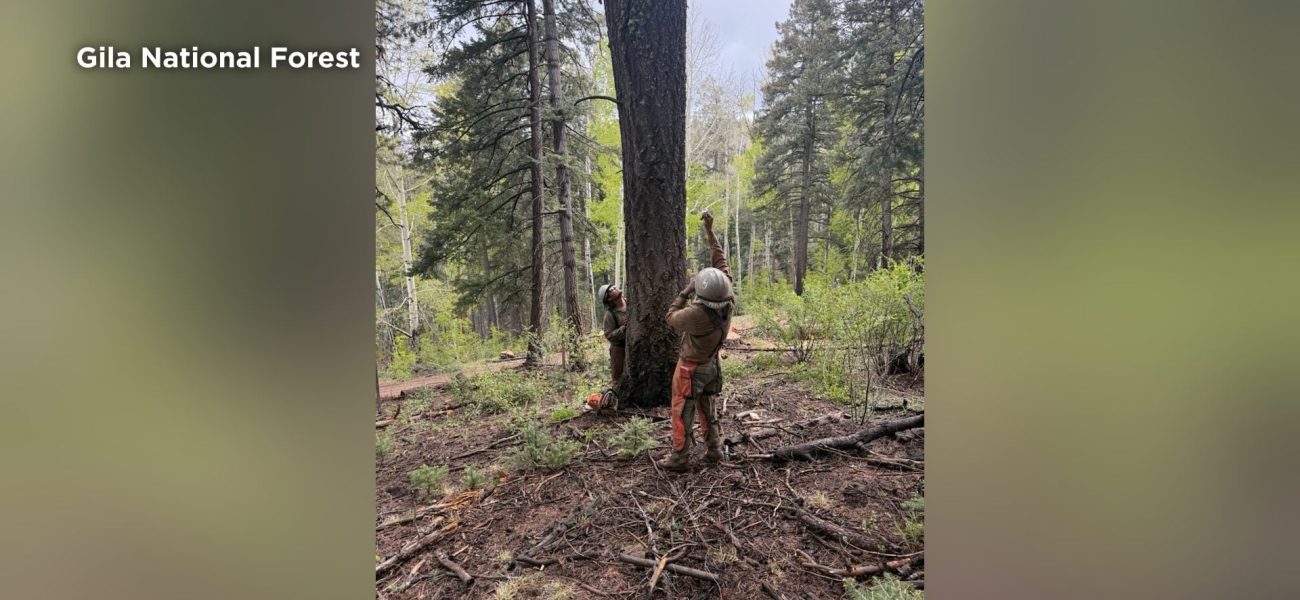
POLICY WIRE — CATRON COUNTY, N.M. — The scent of burning piñon and juniper still clings to the arid New Mexico air, a constant, acrid reminder that even partial victories in the relentless war against wildfire are fleeting. While crews have wrestled the expansive Hummingbird Fire to a 21% containment, and the dread ‘GO’ orders for the Willow Creek Subdivision have eased to a slightly less ominous ‘SET,’ the blaze itself — an indiscriminate devourer of over 5,000 acres within the iconic Gila wilderness — still dictates the terms of engagement. It’s a temporary truce, at best, against an adversary that cares nothing for human timetables or economic disruptions.
For those living on the fringes of America’s oldest designated wilderness area, the downgrade from mandatory evacuation isn’t a return to normalcy; it’s a recalibration of anxiety. Folks are back in their homes, yes, but the ever-present plume of smoke on the horizon, a spectral sentinel, warns them this could all change in a flash. “We’ve given folks a moment’s reprieve, but no one’s under any illusions,” declared Catron County Sheriff Jeremy Serna, his voice etched with the weariness of a man who’s seen too many summers turn infernal. “This landscape, it’s tinder-dry, — and the fire, it doesn’t care about county lines or containment percentages. We’re still vigilant, still ready to move families if need be.” It’s a sentiment echoing across the drought-stricken West.
But this isn’t just a local issue, a mere footnote from a remote corner of the American Southwest. At its core, the Hummingbird Fire, like its myriad brethren, is a stark illustration of a global climate crisis manifesting with chilling immediacy. The Gila, a rugged expanse of mountains — and canyons, presents an almost insurmountable challenge for firefighters. The very wildness that makes it precious — dense, overgrown forests fueled by decades of fire suppression and now parched by prolonged drought — makes it a crucible for intense, uncontrollable burns. And every acre consumed here adds to the growing, existential cost.
Still, the U.S. Forest Service, which initially signaled updates via a tersely worded social media post, now confronts a public increasingly demanding robust, proactive strategies. “These aren’t isolated incidents anymore; they’re symptomatic of a broader, systemic challenge,” asserted Forest Service spokesperson Dr. Elaine Vance, a veteran of countless fire seasons, during a policy briefing. “Our crews are heroes, but they’re battling not just flames, but a shifting climate paradigm that demands sustained national investment and innovative land management strategies.” Her words resonate far beyond Catron County.
Consider the parallel challenges. From the American West to the parched landscapes of South Asia, the fingerprints of climate change are becoming indelible. Pakistan, for instance, a nation grappling with its own climate vulnerabilities, faces increasingly erratic monsoon patterns, devastating floods one year and crippling droughts the next. These environmental oscillations directly threaten food security and displace populations, mirroring the resource strains seen in New Mexico. The policy implications of managing such widespread, climate-induced disasters are universal, compelling nations, regardless of their geopolitical standing, to confront the uncomfortable truth of a changing planet.
📄 POLICY WIRE WHITEPAPER PUBLISHED: PAKISTAN'S NATIONAL SECURITY POLICY PRIORITIES
👉 READ BY CLICKING HEREThe statistical backdrop is grim: According to the National Interagency Fire Center, the average annual number of wildfires greater than 1,000 acres in the Western U.S. has increased by over 40% since the 1970s, with total acres burned nearly tripling. It’s not just more fires; it’s bigger, hotter, more destructive ones. And this burgeoning inferno exacts an exorbitant toll, not only in ecological damage but in economic disruption, forcing communities to divert precious resources from education and infrastructure to emergency response and rebuilding.
What This Means
The Hummingbird Fire’s reluctant partial containment isn’t a cause for celebration; it’s a stark reminder that we’re merely managing symptoms while the underlying illness — climate change-induced aridification and extreme weather — continues its relentless progression. Politically, this fire intensifies the pressure on federal agencies like the Forest Service, which are perpetually underfunded yet expected to perform miracles in increasingly dire conditions. It’s a budgetary tightrope, with states often shouldering an unsustainable portion of the firefighting burden.
Economically, the implications are profound. Beyond the immediate costs of suppression, there’s the long-term impact on tourism, timber industries, and property values. Rural economies, often fragile, bear the brunt, facing insurance rate hikes, infrastructure damage, and the psychological toll on communities repeatedly threatened. these events underscore the urgent need for a cohesive national climate adaptation strategy – one that transcends partisan divides and acknowledges the interconnectedness of global environmental challenges. This isn’t just about extinguishing fires; it’s about fundamentally rethinking how we live on, and manage, an increasingly volatile planet. We’re well past the point of simply hoping for rain; now, it’s about resilience.