


Paradise’s Peril: Repeat Fatalities Jolt Australia’s Tourist Heartland
POLICY WIRE — Cairns, Australia — The sapphire waters of Queensland, often touted as a pristine postcard from paradise, have suddenly acquired a crimson edge. Forget the gentle sway of coral or the...

POLICY WIRE — Cairns, Australia — The sapphire waters of Queensland, often touted as a pristine postcard from paradise, have suddenly acquired a crimson edge. Forget the gentle sway of coral or the iridescent flash of tropical fish for a moment. This past fortnight, the world’s largest coral reef system—a veritable natural wonder and a global economic engine—has asserted its wild dominion with brutal clarity.
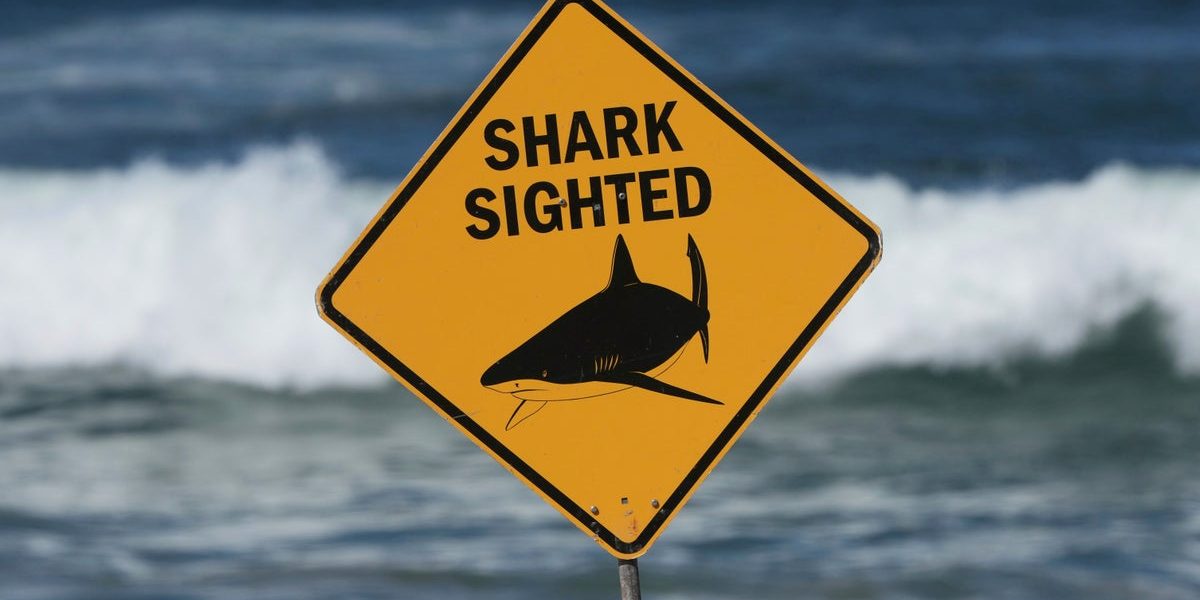
It wasn’t a policy misstep or a stock market tumble that snagged headlines here, but something far older, far more elemental: a predator in its own home. Just weeks after one life was abruptly claimed, another individual fell victim to a shark attack near Hook Passage, part of the Whitsunday Islands. This wasn’t an anomaly in some distant, forgotten corner; it’s a direct hit to the heart of Australia’s multi-billion-dollar tourism machine, an industry meticulously cultivated to project serenity and safety. Paradise, it seems, can still bite. And when it does, the questions follow fast.
“Our hearts ache for the family involved. It’s a truly devastating event,” stated Queensland Tourism Minister Jane Prentice, her voice calibrated for empathy and reassurance. “But let’s be clear: millions flock to our reef safely every single year. We’re constantly reviewing our world-class safety protocols; this remains an unparalleled jewel, secure for countless visitors.” Her emphasis on ‘millions’ didn’t quite obscure the sudden chill descending on booking agents.
And those millions, mind you, come from everywhere. From Berlin to Bangkok, from London to Lahore. Travelers from the bustling cities of South Asia, who view the Great Barrier Reef as an ultimate bucket-list destination—a world away from, say, the operational woes plaguing Pakistan’s rail network—are now faced with this stark reminder of untamed nature. It’s a universal reckoning with risk, often obscured by glossy brochures.
The statistical odds remain comfortingly low, or so the officials tell you. Experts note that shark attacks globally hover around 70-80 unprovoked incidents per year, with fatalities typically in the single digits. But tell that to a bereaved family. And tell that to the tour operators whose phone lines are probably feeling less buzzy than usual. Dr. Alistair Finch, a veteran marine biologist based in Cairns, offered a drier, more sobering assessment. “These aren’t rogue acts, nor are they a sudden uprising. These animals are simply existing within their ancient hunting grounds,” Finch explained, with a shrug only a person who spends his life amongst the creatures could master. “We’ve, in effect, built our human playgrounds directly atop their dining rooms. It’s an inconvenient truth, isn’t it, that our paradise is also undeniably theirs.”
Because the ocean, after all, is just that: ocean. Untamed. While human endeavor seeks to control, categorize, and commercialize every corner of the planet—turning natural wonders into vacation packages—some fundamental truths persist. We pave roads, but currents carve coastlines. We erect resorts, but tides dictate their fate. It’s a dynamic tension, always. But in Australia’s marine park, that tension has just erupted into plain sight, twice. Quickly.
📄 POLICY WIRE WHITEPAPER PUBLISHED: PAKISTAN'S NATIONAL SECURITY POLICY PRIORITIES
👉 READ BY CLICKING HERECasual divers — and keen snorkelers are reassessing their enthusiasm. Tour operators are undoubtedly tightening safety briefings, perhaps even re-evaluating routes. It’s an awful scenario for any tourism hotspot. The challenge now isn’t just grief counseling or investigation; it’s managing perception—a far more slippery beast than any Great White. The global economy’s inherent jitters, as seen even in tech hubs, often magnify local crises, casting longer shadows over travel and investment. Nobody wants to be the headline, especially when it involves blood in the water.
What This Means
The twin fatalities at the Great Barrier Reef aren’t merely isolated tragedies; they’re a direct, if painful, test of Australia’s delicate balance between environmental conservation and economic imperative. Politically, the Queensland government now faces the unenviable task of assuaging public fears—both domestic and international—without resorting to heavy-handed, ecologically detrimental shark culling measures. This issue inevitably sparks fierce debate between conservationists, who prioritize marine life, and the tourism industry, which lobbies for perceived visitor safety at almost any cost.
Economically, the impact, while potentially temporary, could be substantial. The reef tourism industry, which pre-pandemic was responsible for approximately 64,000 jobs and an estimated A$6.4 billion annually according to Deloitte Access Economics, thrives on its ‘safe haven’ image. A dent in that perception could translate into fewer bookings, flight cancellations, and, ultimately, job losses. This puts intense pressure on policymakers to articulate a clear, convincing strategy that doesn’t alienate either the public or the powerful environmental lobby. How they walk this tightrope will define not just future safety measures but also the global narrative of Australia’s relationship with its wild heart.