


Armagh’s Blitzkrieg: A Regional Sporting Hegemony Unveiled in Ulster Rout
POLICY WIRE — Belfast, Northern Ireland — It wasn’t merely a defeat for County Down; it was an immolation, a public ritual of sporting supremacy that saw Armagh gallop into their...

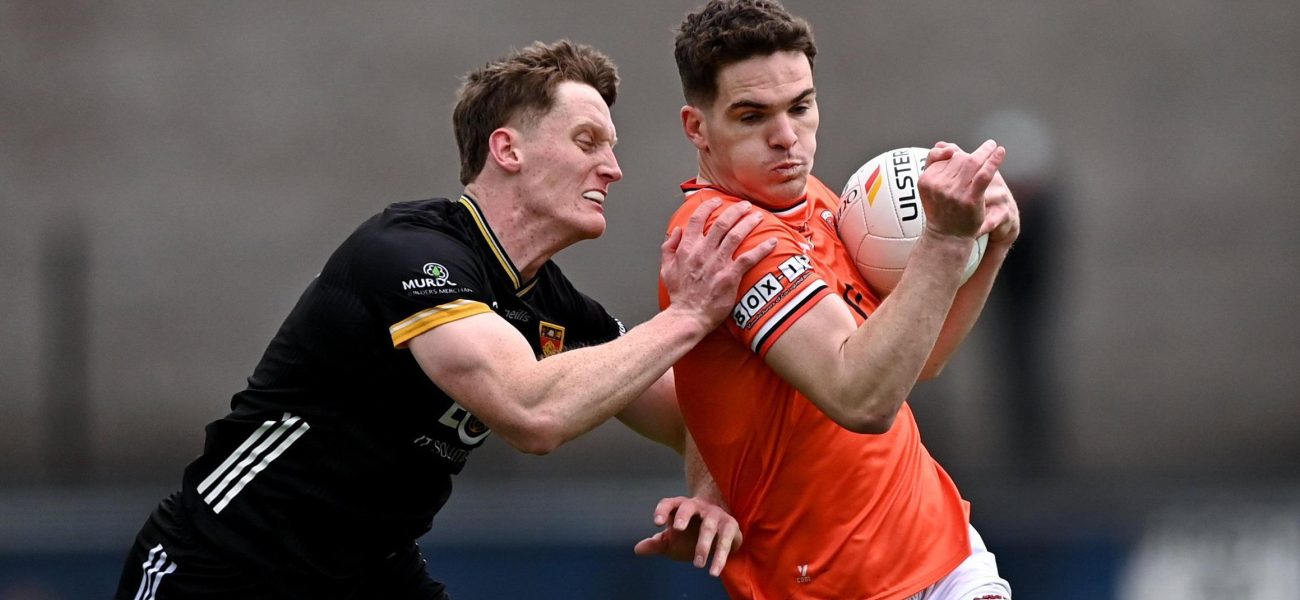
POLICY WIRE — Belfast, Northern Ireland — It wasn’t merely a defeat for County Down; it was an immolation, a public ritual of sporting supremacy that saw Armagh gallop into their fourth successive Ulster Senior Football final with a scoreline so lopsided it almost defied belief. The 3-33 to 0-14 drubbing of the Mournemen at St Tiernach’s Park wasn’t just a win; it was a stark, brutal pronouncement of intent from a side that has, in this year’s championship alone, amassed an astonishing 5-65 (Source: Official Ulster GAA statistics), laying bare the chasm between ambition and grim reality for their opponents. Down, once touted for their spirited showing against Donegal, simply melted.
And so, as the final whistle cut through the damp Clones air, the only lingering question wasn’t if Armagh would proceed, but rather at what cost to the collective psyche of a vanquished county. This wasn’t a contest of equals; it became, rather quickly, a demonstration of relentless, surgical efficiency against a squad that, for all its early promise, couldn’t summon a fraction of the ferocity it had displayed just days prior. The early moments had hinted at a different narrative, with Down players like Daniel Guinness and Odhran Murdock conjuring a fleeting, almost defiant lead. But such flickers of hope, we’ve seen time — and again, are often the cruelest precursors to collapse.
Still, the momentum shifted with a cold inevitability. Tomas McCormack’s decisive strike, followed by Conor Turbitt’s clinical finish — exploiting a kick-out error, no less — carved open a lead that Down couldn’t possibly bridge. By half-time, the scoreboard read 2-12 to 0-7, a gap that felt less like a deficit and more like an insurmountable barrier. Armagh wasn’t just scoring; they were imposing their will, their fisted points a testament to the disconcerting ease with which they breached Down’s defensive lines. It’s a humbling experience for any team, to witness such an unraveling, especially on a stage where provincial pride hangs so heavily.
The second half, truth be told, morphed into something approaching a training exercise for Armagh. Turbitt, the architect of much of Down’s torment, plucked a ball from the air with predatory instinct, turned a defender, and rifled it into the net for his second goal, his team’s third. It was a moment of such unequivocal superiority that many Down supporters began their mournful exodus before the final quarter even began. One couldn’t really blame them; the spectacle of their side being systematically dismantled had become too painful to bear. This sort of dominance — this ruthless pursuit of perfection — is often what separates champions from contenders, transforming a merely good season into a defining era.
Armagh Manager Kieran McGeeney didn’t mince words post-match, his tone resolute, almost understated. "We’ve been building towards this, meticulously, brick by brick," he shot back to reporters. "This wasn’t just a win; it was a declaration. But we’re not finished. Not by a long shot." His counterpart, Down Manager Conor Laverty, visibly distraught, acknowledged the chasm. "A setback, certainly," he conceded, his voice hoarse. "But it’s in these moments of stark defeat that true character is forged. We’ll regroup, reassess, — and return with a renewed ferocity. Our story isn’t over."
Monaghan now awaits Armagh in the 17 May decider, following their own dramatic extra-time triumph over Derry. The stage is set for a clash of titans, but the psychological advantage, the sheer momentum, overwhelmingly rests with an Armagh side that hasn’t merely won games, but has systematically broken down the will of its opposition. It’s a narrative that echoes beyond the Gaelic pitches of Ireland, resonating with the fierce regional loyalties and national identities that permeate sports across the globe — a phenomenon where the illusion of choice in competition often gives way to raw power.
📄 POLICY WIRE WHITEPAPER PUBLISHED: PAKISTAN'S NATIONAL SECURITY POLICY PRIORITIES
👉 READ BY CLICKING HEREWhat This Means
At its core, Armagh’s overwhelming performance against Down is more than just a sports result; it’s a stark indicator of shifting power dynamics within Ulster Gaelic football, with wider implications for regional identity and sports economics. For Armagh, this rout cements their status as the preeminent force, an almost dynastic ascendancy that could redefine the provincial pecking order for years to come. This kind of consistent dominance isn’t merely about talent; it’s a testament to structured development, astute management, and significant investment — both financial and communal — in athletic programs.
For Down, the implications are graver. Their relegation to the Tailteann Cup isn’t just a sporting demotion; it’s a blow to morale, to recruitment, and potentially, to the economic viability of their county board through reduced gate receipts and sponsorship opportunities. The disparity observed on the field can translate into a cycle of disadvantage, making it harder for lesser-resourced counties to compete with the powerhouses. It’s a microcosm of broader issues seen in sports worldwide, where well-funded, professionally managed teams consistently outperform those with more limited means. The passionate, almost tribal, support for these county teams — a cultural touchstone in Northern Ireland — means such outcomes aren’t forgotten easily, deepening rivalries and shaping local narratives.
And this isn’t an isolated incident. Across the globe, from the English Premier League’s financial behemoths to the intense, often politically charged, regional cricket rivalries in Pakistan’s domestic leagues — where a Karachi-Lahore clash can mirror national anxieties — the outcome of sporting contests profoundly impacts local pride and economic flow. Dominance like Armagh’s can inspire their own youth and community, fostering a sense of shared success that transcends the pitch. But it also presents a policy challenge for sporting bodies: how to foster competitive balance without stifling excellence. For observers of the Muslim world’s sporting landscape, particularly in countries like Pakistan, the fierce provincial loyalty and the societal weight placed on athletic achievement is strikingly similar; a win isn’t just a win, it’s a validation of identity, a momentary triumph in a world often beset by harder realities. Beyond the pitch, these contests echo broader struggles.