


America’s Lifeline Turns to Dust: Rio Grande’s Arid Alarm Bells Ring for West — and World
POLICY WIRE — ALBUQUERQUE, N.M. — It’s a familiar sight across the desert Southwest: riverbeds shimmering with heat haze instead of flowing water, parched banks reaching for rain that simply won’t...

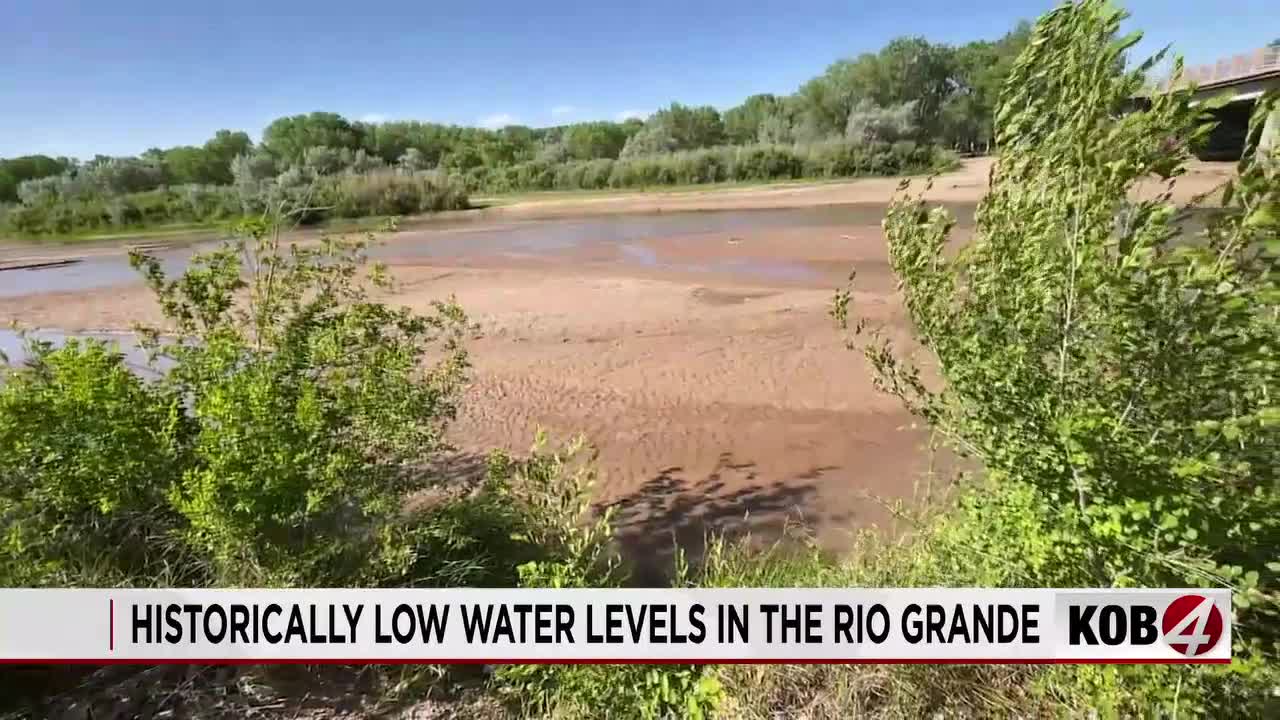
POLICY WIRE — ALBUQUERQUE, N.M. — It’s a familiar sight across the desert Southwest: riverbeds shimmering with heat haze instead of flowing water, parched banks reaching for rain that simply won’t come. But this year, the Rio Grande – New Mexico’s historical arterial lifeline – has thrown its towel in months ahead of schedule, setting off a quiet, almost imperceptible alarm that reverberates far beyond its dusty banks. Farmers, families, and even tiny fish are feeling the pinch, and they’re facing a summer that looks less like ‘recreational fun’ and more like a grim lesson in survival economics.
Most folks expect the conversation about serious drought conditions to kick off sometime around July when the desert really starts to bake. Not this year. The Middle Rio Grande Conservancy District, the body tasked with—well, conserving water for the region—found itself deep in crisis talks back in May, trying to stretch a vanishing supply. It’s a bitter pill to swallow, this early onset, a cruel foreshadowing for what many fear will become the new normal.
Jason Casuga, the Conservancy District’s CEO — and Chief Engineer, doesn’t mince words. “Agriculture has been a huge part of our community in New Mexico, whether it’s on the Rio Grande or on other basins. And so, first — and foremost, our ag community is going to suffer.” He’s got a point. When your livelihood depends on a river that’s practically a ghost, you don’t just suffer; you’re often staring down the barrel of ruin. Because, as he pointed out, there simply wasn’t a spring runoff this year. Usually, that’s when snowmelt refills the river. Didn’t happen. No snow, no rain, no run. Simple math, devastating impact.
It’s not just big agriculture feeling the squeeze. Gretchen Newman, a lifelong Albuquerque resident, lamented what used to be her spring ritual. “It’s very sad. We’re not getting the rainfall, we’re not getting the snow melt, we’re not getting the snows in the winter,” she said, her voice heavy with disappointment. “We usually canoe it every year, two or three years, but just didn’t get to it this year, and I don’t know that you can do it now. It might be canoeable, but you’d be walking in it a bit.” A once-vibrant river, now barely a trickle for recreational users. That’s a stark picture, isn’t it?
But the government, federal and state, isn’t completely inert, though its actions often feel like putting a band-aid on a gushing wound. The feds have stepped in with what little water they can spare, not for farmers, mind you, or for canoe trips, but for a rather particular inhabitant: the Rio Grande silvery minnow, an endangered species whose very existence hinges on a pulse of water to spawn. It’s a federal mandate, a ticking clock for an aquatic survivor, yet it highlights the impossible choices these droughts force upon policymakers.
New Mexico Governor Michelle Lujan Grisham has had to step up, too, though her actions mostly involve pleas and prohibitions. Her executive order didn’t conjure rain—we all wish it could’ve—but instead called for firework bans and urged strict water conservation across the state. “We’re facing unprecedented conditions,” Lujan Grisham told Policy Wire, her voice strained during a recent press conference, “and every New Mexican must understand that this isn’t just an inconvenience; it’s an existential threat to our environment, our economy, and our way of life. We can’t simply pray for rain; we have to conserve every drop and adapt our entire strategy.” A direct, sobering assessment from the state’s top official, laying bare the grim reality.
According to data from the U.S. Geological Survey, several key Rio Grande stream gauges recorded flows less than 15% of their historical average for late spring, a figure unseen in over 40 years. It’s an undeniable regression, a grim benchmark that underscores a worsening climate trajectory.
What This Means
This early-season dry-out isn’t just a weather anomaly; it’s a chilling forecast. Economically, you’re looking at significant losses for New Mexico’s agricultural sector, a blow that reverberates through rural communities and could even drive up food prices locally. Water rights become a thorny, explosive political issue when supply dwindles, setting up potential confrontations between agricultural users, tribal pueblos—who hold some of the oldest water claims—and booming urban centers. And, for that matter, the endangered fish. It’s a multi-front skirmish for a finite resource, one that policy makers haven’t exactly solved with easy answers yet. You’re always playing catch-up.
But it’s not an isolated problem, is it? New Mexico’s struggle is a stark microcosm of challenges facing arid regions worldwide. Think about nations like Pakistan, for instance, a country whose very agricultural heartland relies almost entirely on the Indus River. Their climate models, much like New Mexico’s, predict increasing variability in monsoon patterns and glacial melt, leading to intense periods of drought punctuated by catastrophic floods. The political stability in regions heavily dependent on river systems – like the Indus in South Asia – becomes precarious as water security evaporates. It forces a stark reckoning with infrastructure investment, cross-border cooperation, and, sometimes, painful re-evaluation of national development priorities. Whether it’s Albuquerque or Punjab, the story’s disturbingly similar: once mighty rivers now struggle to sustain their populations, raising thorny questions about long-term sustainability and whether anyone is truly prepared for the profound societal shifts that will follow.
The policy implications here aren’t just about diverting more water. They’re about fundamental changes to agricultural practices—drip irrigation instead of flood, drought-resistant crops—and re-thinking urban growth models that assume limitless water. Because, if you’ve got to rescue minnows instead of nourish farmers, well, that’s not exactly a long-term economic strategy. And the broader implication, frankly, is that these climate events are accelerating, demanding not just conservation, but reinvention. A stark economic reality check, indeed.