


Albuquerque’s Empty Seats: Furniture Giant’s Retreat Signals Broader Retail Unease
POLICY WIRE — ALBUQUERQUE, N.M. — It wasn’t an asteroid, nor was it a catastrophic flash flood. It was much subtler, quieter even, but the rumble through Albuquerque this past week felt just as...

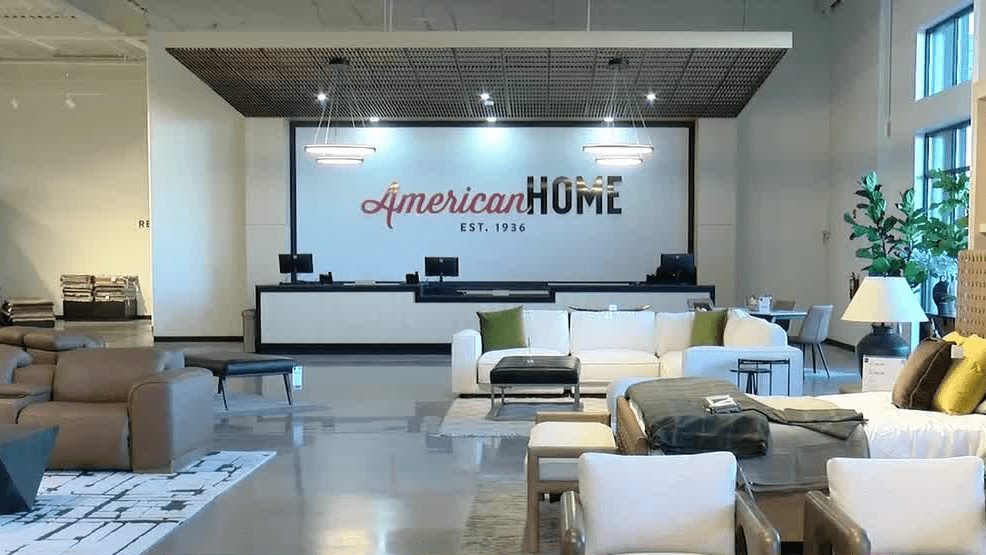
POLICY WIRE — ALBUQUERQUE, N.M. — It wasn’t an asteroid, nor was it a catastrophic flash flood. It was much subtler, quieter even, but the rumble through Albuquerque this past week felt just as seismic for those tuned into the city’s economic heartbeat. A decades-old fixture in New Mexico’s retail landscape, American Home Furniture and Mattress, began to fold one of its showrooms, not with a bang, but with the quiet whimper of discount tags plastered across once-pristine sofas and beds. Call it consolidation; locals know it’s a retrenchment, a grim signal in a tough market.
The 801 Comanche Blvd NE location, an outpost for budget-friendly furniture for years, kicked off its clearance sales last Thursday. Think about that: a final, desperate dash to empty the floors, presumably to settle scores with creditors. This move leaves their flashier flagship — just off I-40 on Carlisle Boulevard — as the sole surviving monument to their once-expansive retail empire. They’d already shuttered stores in Santa Fe and Farmington after filing for Chapter 11 bankruptcy protections back in March. A tough pill, no doubt, for a business that’s served New Mexicans for ages.
It’s not just another casualty of e-commerce, though that’s certainly a factor. There’s a colder, harder truth chilling brick-and-mortar storefronts right now. Shoppers? They’re just not splashing out on big-ticket home goods like they used to. Interest rates bite, consumer confidence wanes, and everyone’s tightening their belts, waiting for the other shoe to drop in what feels like a perpetually uncertain economy. American Home’s owner, Kenton Van Harten, sounded an almost defiant note in a statement to the press. “Look, closing Comanche isn’t about giving up; it’s about getting lean,” he stated, his voice likely strained from countless difficult conversations. “We’re focusing our firepower on the Carlisle store, making it a destination, because, let’s be frank, you can’t run on fumes forever. We still have folks counting on us to deliver a good night’s sleep, and we will.” He almost certainly means to honor commitments for deliveries, a necessary balm for customers who’ve already paid.
But can a retailer reorganize its way out of shifting consumer behaviors? Experts aren’t so sure. Dr. Fatima Zahra, a prominent economist specializing in global trade patterns at the University of Karachi, points to a broader pattern. “What we’re observing in places like New Mexico isn’t isolated. It mirrors the struggle we’ve seen even in developing economies, from Pakistan to Morocco. When discretionary spending evaporates, it hits furniture, then electronics, then everything else,” Zahra explained in a recent digital conference, noting a 12% global contraction in consumer demand for durable goods over the past year. “People aren’t upgrading their living rooms when they’re worried about their job security or how high next month’s utility bill will be. The retail environment is less about square footage today — and more about perceived value and instant gratification.”
And she’s right. Because the whole supply chain—from timber mills in Scandinavia to fabric manufacturers in Asia—feels this pinch. Every closure, every discounted couch in Albuquerque, sends ripples across continents. One wouldn’t typically link a store on Comanche Boulevard to geopolitical tremors or even the intricate dances of international diplomacy. Yet, the same macroeconomic pressures squeezing an Albuquerque furniture store often find their roots in global events, trade tensions, and the cost of oil. It’s all connected, like it or not.
The city’s political figures, ever mindful of job numbers, are watching nervously. City Councilor Trudy Morales didn’t mince words when pressed about the local retail scene. “It’s tough out there, genuinely tough. Every time a business pulls back, even a little, it impacts families, local taxes, our whole city’s vibe,” Morales lamented. “We’re talking about real people, real livelihoods. We’ve got to find ways to bolster our local businesses, because the national tides are clearly working against us. It’s a complicated stew, — and we can’t just stand by.” She’s not wrong, you know.
What This Means
The consolidation by American Home Furniture isn’t just a corporate maneuver; it’s a potent indicator of an economy grappling with persistent inflation, rising interest rates, and a fundamental shift in consumer behavior. Politically, the struggle of a familiar local brand serves as a fresh wound in the ongoing narrative about Main Street’s resilience (or lack thereof). Local politicians, like Morales, face increased pressure to enact policies that provide tangible support to small and mid-sized businesses, beyond the usual rhetoric. Failure to do so can exacerbate unemployment rates and erode the very tax base that funds critical public services, potentially sparking civic discontent. From an economic standpoint, the episode speaks volumes about the declining discretionary income of the average American household, redirecting spending away from durable goods and towards immediate necessities. It also signals a continued, painful realignment in the retail sector, where e-commerce giants gobble up market share, leaving traditional brick-and-mortar stores scrambling for scraps. The global dimension — tied into supply chain vulnerabilities and worldwide inflationary pressures — means these localized struggles have far-reaching implications, extending from the bustling bazaars of Karachi to the quiet storefronts of Albuquerque. The city’s recent legal proceedings, where justice or its absence often dictates local mood and spending, can’t be separated from these broader economic anxieties either. It’s a challenging environment, no doubt about it.
For New Mexicans, it’s a stark reminder that even trusted names aren’t immune to these forces. But who picks up the slack? That’s the real question hanging in the air, echoing in every empty room — and unsold sofa across town. Because one store closing today can open the door for a wave of them tomorrow. And that’s not good for anyone.