

Verdict Echoes in Albuquerque: Justice, or Just an Ending?
POLICY WIRE — Albuquerque, New Mexico — The quiet hum of ordinary life here has never quite returned to normal, not since the chilling summer of 2022 when fear, raw and visceral, gripped...

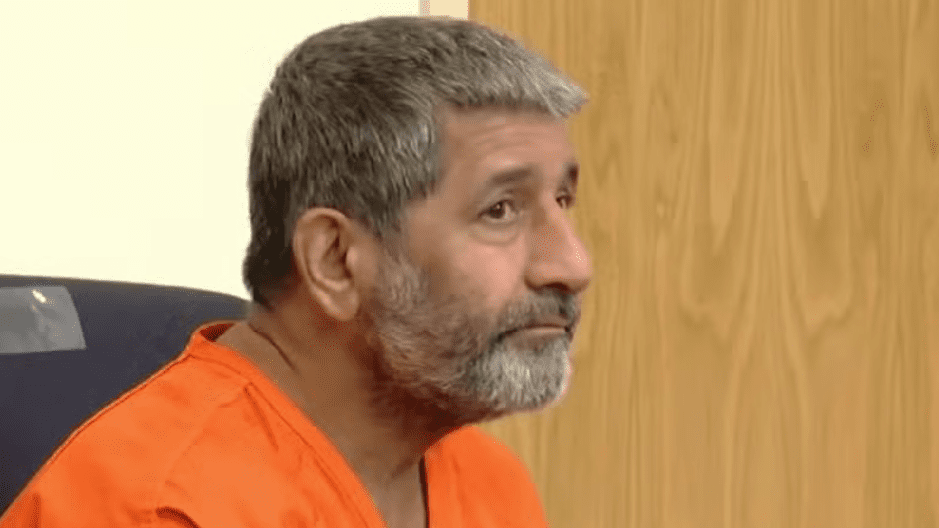
POLICY WIRE — Albuquerque, New Mexico — The quiet hum of ordinary life here has never quite returned to normal, not since the chilling summer of 2022 when fear, raw and visceral, gripped the city’s Muslim community. Men like Aftab Hussein, whose only crime seemed to be existing, vanished into the desert night. The very air felt different back then—heavy, suspicious, laced with an awful question: who next? It’s that lingering unease, that scar on the civic psyche, which frames the New Mexico Supreme Court’s recent decision to uphold a first-degree murder conviction against Muhammed Syed, the man blamed for Hussein’s death and linked to the killings of two others. Because even with a verdict, some wounds don’t quite heal.
The state’s highest court wasn’t swayed by the arguments Syed’s attorneys floated — claims about insufficient evidence or procedural missteps during the trial. They essentially told the defense, and anyone else listening, that a “reasonable jury” had every right to nail this conviction down. “Viewing the evidence in the light most favorable to the guilty verdict, there was substantial evidence from which a reasonable jury could find defendant guilty of first-degree willful and deliberate murder,” the court flatly stated, not mincing words. You see, this wasn’t some theoretical exercise; it was about bullet casings and cell phone pings, a rifle under a bed, and the undeniable fact of Hussein — shot eleven times — gone forever.
Prosecutors had presented a methodical, if largely circumstantial, case. But what exactly does “circumstantial” mean when you’ve got a murder weapon chilling beneath the accused’s mattress and phone data placing him suspiciously close? “The evidence, though circumstantial in parts, paints a clear, undeniable picture of responsibility,” asserted District Attorney Sam Trujillo of Albuquerque, speaking after the original jury verdict last year. “We stand with the families who have waited so long for this measure of justice.” It’s a sentiment many share, a collective sigh of relief, if an incomplete one. Syed, for his part, later copped to the other two killings via a “no contest” plea — a legal maneuver that avoids admitting guilt but accepts the punishment, saving everyone the pain of more trials. Call it pragmatic. Call it a stark acknowledgment of overwhelming odds.
For the Muslim population here — a diverse blend, including a sizable segment from South Asia, particularly Pakistan, seeking refuge, work, or new beginnings in America — the entire saga was a jarring reminder of their precarious position. In a nation where 49% of all religiously motivated hate crimes reported in 2022 targeted Jews, but anti-Muslim incidents have seen peaks reflecting global tensions, per FBI statistics, an attacker from within their own community sent shockwaves. “It shattered an illusion of safety that many immigrant families, especially those from war-torn regions, build so carefully here,” explained Imam Khalil Masood, head of the Islamic Center of New Mexico. “We had to remind people: this is a tragic isolated incident, not a reflection of our collective values or the community itself.” That’s a tough sell when you’re scared, isn’t it?
And let’s not forget the sheer bewilderment. A “Muslim on Muslim” violence narrative complicated everything. Was it personal? Inter-familial? Or did deeper, unspoken fissures within the community manifest so savagely? Local law enforcement, stretched thin as they often are, had to navigate a landscape fraught with cultural sensitivities and deep-seated mistrust that, sometimes, even their best intentions can’t quite overcome. But hey, they caught their guy. That’s something.
What This Means
This high court affirmation in the Syed case provides a critical closure for the victims’ families, no doubt about it. Politically, it signals a judiciary — even a state supreme court — unwilling to second-guess juries on reasonable evidentiary grounds. It’s a bulwark against constant appeals designed purely to chip away at legitimate convictions. But it also means more than just legal precedent.
Economically, persistent crime, especially that which targets specific communities, carries a quiet, corrosive cost. It chills investment, stifles local businesses — many of them immigrant-owned, by the way — and discourages the influx of skilled labor that often comes from places like the Pakistani diaspora, people just looking to contribute. Who wants to build a future where you don’t feel safe?
But there’s a deeper, more unsettling undercurrent too: the “us vs. us” narrative. When violence originates within an ethnic or religious group, it presents a far more complicated challenge to community leaders and policymakers than external hate crimes. It forces a stark look at internal dynamics, generational divides, or even the psychological pressures of assimilation and displacement. This verdict might close a chapter in court, but it just opened a longer, more nuanced conversation for Albuquerque’s Muslim residents — and for every immigrant community across America grappling with similar, internal fault lines. Because sometimes, the real battles aren’t against a clear enemy, but against something far more insidious, lurking beneath the surface of what seemed like settled ground. And addressing *that* requires more than just court rulings; it needs introspection, dialogue, and an unflinching honesty that, quite frankly, few communities are truly prepared to offer up.